By Dr. James Bwala
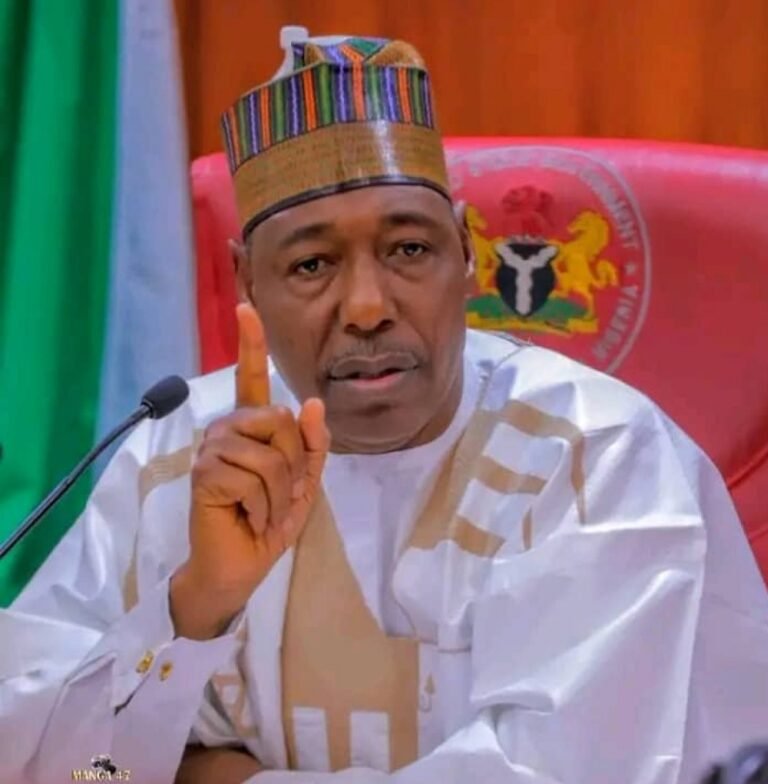
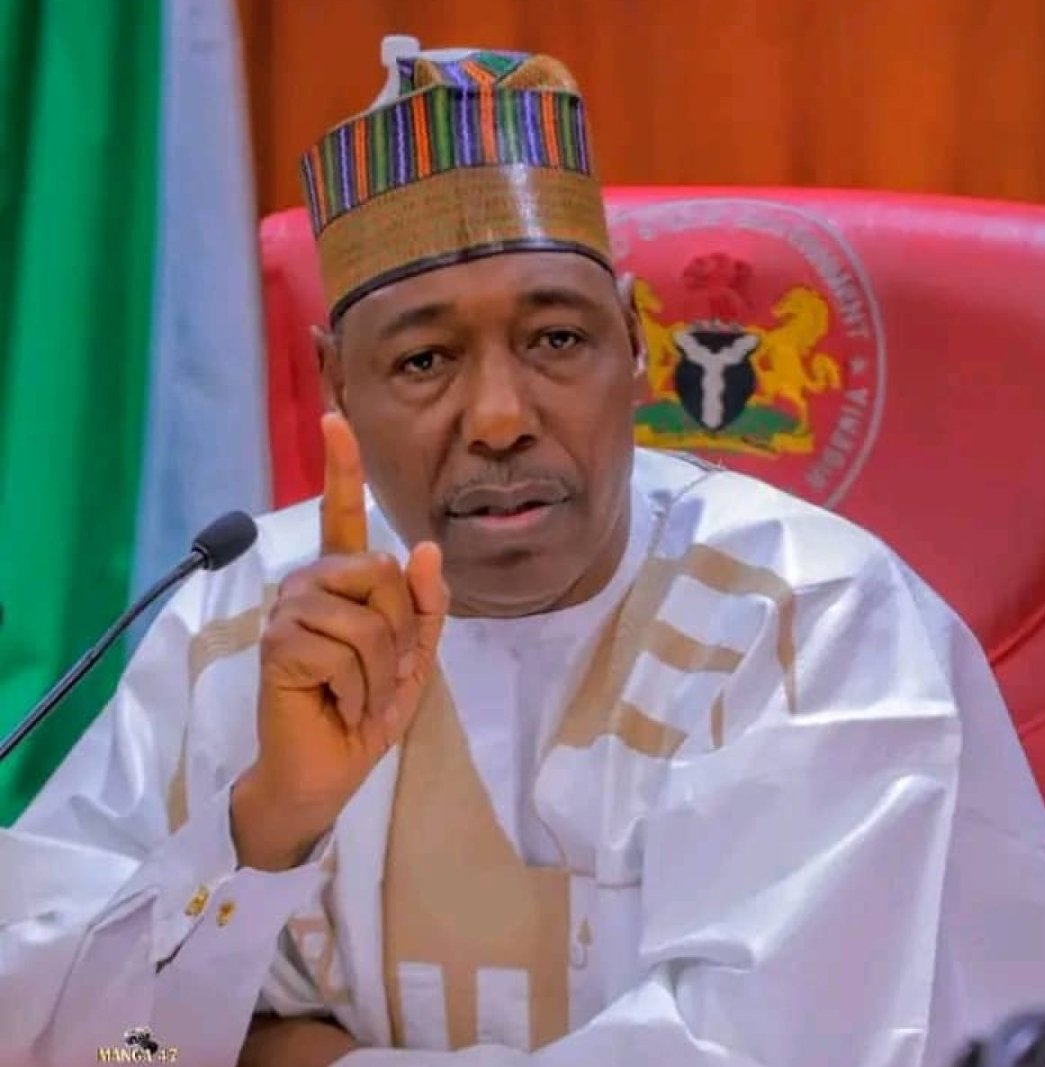
Public leadership is often criticized. In a democratic society, citizens have the right to question government policies, challenge official decisions, and demand accountability from those entrusted with public resources. Such scrutiny is not only legitimate but necessary. However, criticism becomes destructive when it is driven by personal hostility, political bitterness, misinformation, or the use of unprintable names against public officials. In the case of Professor Babagana Umara Zulum, Governor of Borno State, the intensity of some attacks cannot erase the visible transformation taking place across the state.
Regardless of the negative opinions expressed by certain individuals, one fact remains difficult to dispute: Governor Zulum’s administration has made significant investments in healthcare, education, roads, bridges, flyovers, reconstruction, human capital development, and the restoration of hope among citizens affected by years of insecurity. These accomplishments are not merely political claims or campaign slogans. They are physical and institutional developments that can be seen, assessed, used, and remembered. While political arguments may fade with time, projects that improve people’s lives often become enduring evidence of a leader’s contribution to society.
Borno State has faced extraordinary challenges. For more than a decade, the state has endured terrorism, displacement, destruction of public infrastructure, economic disruption, and the trauma of communities separated from their homes. In such an environment, governance requires more than routine administration. It demands courage, vision, compassion, and the ability to rebuild amid uncertainty. Governor Zulum inherited a state in which many citizens were not only seeking employment or better roads but also struggling to return safely to their communities, access healthcare, educate their children, and rebuild their livelihoods.
The scale of these challenges makes the progress recorded under his administration especially important. Leadership should be judged within context. It is reasonable to ask whether every problem has been solved, because no administration can solve all problems at once. However, it is unfair to ignore meaningful progress simply because difficulties remain. The existence of unfinished work does not invalidate completed work. Instead, it emphasizes the value of continuity, constructive criticism, and collective responsibility.
One of the most important areas in which Governor Zulum’s administration has made an impact is healthcare. In a state affected by conflict and displacement, healthcare is not a luxury; it is a basic necessity and a foundation for survival and recovery. Hospitals and primary healthcare centers require buildings, equipment, medicines, trained personnel, and reliable access for rural populations. The administration’s efforts to improve healthcare infrastructure and expand access demonstrate an understanding that rebuilding Borno must include rebuilding its health system.
Renovated and newly constructed health facilities provide citizens with a closer and safer means of receiving treatment. They also support maternal and child healthcare, emergency services, disease prevention, and general medical care. In communities where people previously travelled long distances to seek treatment, the presence of functional healthcare centers can make the difference between life and death. Such projects may not always attract the same public attention as political speeches, but their effect on families is profound.
Healthcare development also contributes to the return and resettlement of displaced persons. People are more likely to return to their communities when they know that essential services are available. A rebuilt community without hospitals, schools, roads, and clean water cannot easily become a stable home. Therefore, investment in healthcare forms part of a broader strategy for peacebuilding and recovery. It restores not only buildings but also confidence in the future.
Education is another area in which the governor’s contribution deserves recognition. No society can achieve sustainable development without educating its children and young people. In Borno, years of insurgency disrupted schooling, destroyed educational facilities, displaced teachers, and forced thousands of children out of the classroom. Addressing this crisis requires the construction and rehabilitation of schools, the recruitment and training of teachers, the provision of learning materials, and policies that encourage children to return to school.
Governor Zulum’s emphasis on education reflects the understanding that insecurity thrives where ignorance, poverty, and hopelessness are allowed to grow. Every classroom restored is an investment in peace. Every child brought back to school represents a reduction in the risk of a lost generation. Education equips young people with knowledge, skills, discipline, and the ability to contribute positively to society. It also gives families a reason to believe that their children can build lives beyond conflict and displacement.
The importance of educational development cannot be measured only by the number of buildings constructed. Its deeper value lies in the opportunities it creates. Schools shape future teachers, doctors, engineers, civil servants, entrepreneurs, and community leaders. Years from now, many people who benefit from today’s educational investments may occupy positions that influence Borno and Nigeria as a whole. When that happens, the facilities and policies that helped them will remain part of the state’s historical story.
Infrastructure is another visible area of transformation. Good roads connect communities, support commerce, reduce transportation costs, improve access to schools and hospitals, and strengthen security operations. In a state with vast rural areas and communities affected by conflict, road construction and rehabilitation are essential to economic recovery. Farmers need roads to transport produce to markets. Patients need roads to reach hospitals. Students and teachers need reliable routes to schools. Businesses need efficient transportation networks to grow.
The development of roads, bridges, and flyovers represents more than the construction of concrete and asphalt. It reflects the restoration of movement, connection, and confidence. A well-designed road can reconnect communities that were previously isolated. A bridge can open access to markets and social services. A flyover can improve traffic flow, reduce congestion, and modernize an urban environment. These projects may be criticized on the basis of design, cost, or priority, and such questions should be answered transparently. Nevertheless, their practical benefits should not be dismissed merely because some people oppose the governor politically.
Urban development also sends a powerful message about the identity of Borno State. For years, public discussion about Borno was dominated by insecurity and destruction. While the security situation remains a serious concern, the development of roads, flyovers, public buildings, and other infrastructure presents a different image: a state determined to rebuild and move forward. Development does not mean pretending that problems no longer exist. Rather, it means refusing to allow those problems to define the state permanently.
Another notable aspect of Governor Zulum’s administration is the focus on reconstruction and the return of displaced persons. Displacement is not solved simply by transporting people back to their communities. Returnees require housing, security, schools, healthcare, water, electricity, roads, and economic opportunities. They need to feel that their return is not temporary or unsafe. The rebuilding of communities therefore demands coordination, patience, and sustained investment.
By supporting reconstruction and resettlement, the administration has contributed to restoring dignity to people who were forced to leave their homes. A house is more than a structure; it is a place of belonging. A community is more than a collection of buildings; it is a network of relationships, memories, markets, schools, and places of worship. Rebuilding these communities helps heal the psychological and social wounds caused by conflict.
Of course, no responsible assessment should portray the administration as perfect. Borno still faces security challenges, unemployment, poverty, humanitarian needs, and demands for greater accountability. Public officials must remain open to criticism and must explain how public funds are spent. Projects should be completed according to quality standards, and citizens should be able to ask legitimate questions without intimidation. Constructive criticism strengthens governance, while blind praise can conceal weaknesses.
However, criticism must be distinguished from abuse. Calling a public official unprintable names does not constitute a meaningful evaluation of policy. Insults do not improve hospitals, repair roads, educate children, or create employment. They merely lower the quality of public discourse. Those who disagree with the governor should present evidence, propose alternatives, and identify areas requiring improvement. Political opposition has value when it helps government perform better; it becomes harmful when it seeks only to destroy reputations and deny visible achievements.
The ultimate test of leadership is not whether everyone offers praise. No leader can satisfy every individual or group. The more important question is whether policies produce meaningful results for ordinary people. Are communities receiving services? Are schools being restored? Are roads improving movement? Are hospitals becoming more accessible? Are displaced families returning with greater dignity and hope? Are young people gaining opportunities? These are the questions that history will ask.
History is not written only through social media arguments, political slogans, or temporary controversies. It is written through institutions, infrastructure, public records, human experiences, and the memories of citizens. A person who receives medical attention in a renovated facility may remember the administration differently from someone who only follows political debates online. A student who returns to a rebuilt school may understand the value of government investment in a deeply personal way. A farmer who transports produce more easily because of an improved road may care less about insults and more about practical results.
This is why Governor Zulum’s transformative works will remain relevant beyond the present political moment. Governments change, politicians come and go, and public arguments eventually lose their urgency. But schools continue to educate children, hospitals continue to serve patients, roads continue to connect communities, and flyovers continue to shape urban movement. These physical and social assets become part of the permanent development record of the state.
The people of Borno therefore have a responsibility to protect the gains made and demand even greater progress. Development should not be treated as the personal property of one political party or one individual. Public projects belong to the people. Citizens should use them responsibly, monitor their quality, and insist that future administrations build upon them rather than abandon them. In the same way, supporters of the governor should avoid responding to criticism with abuse. The strongest defense of good governance is evidence, not aggression.
Bwala, PhD, writes from Abuja
About the Author