By Sam Israel
Leadership is not merely about occupying political offices or making promises to the electorate; it is about having the vision, capacity and foresight to identify opportunities, build strategic relationships and mobilise the resources required to transform society. This is precisely the kind of leadership conversation Senator Ahmed Wadada Aliyu is bringing to the political landscape of Nasarawa State as the 2027 governorship election approaches.
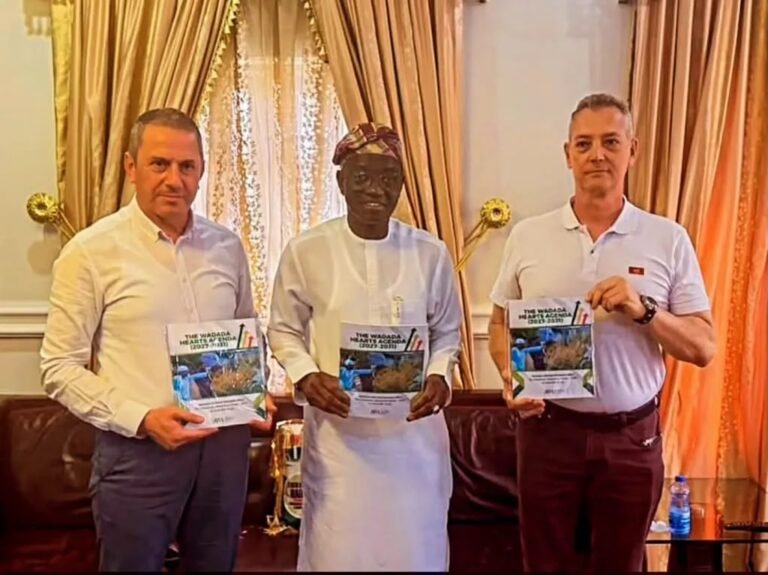
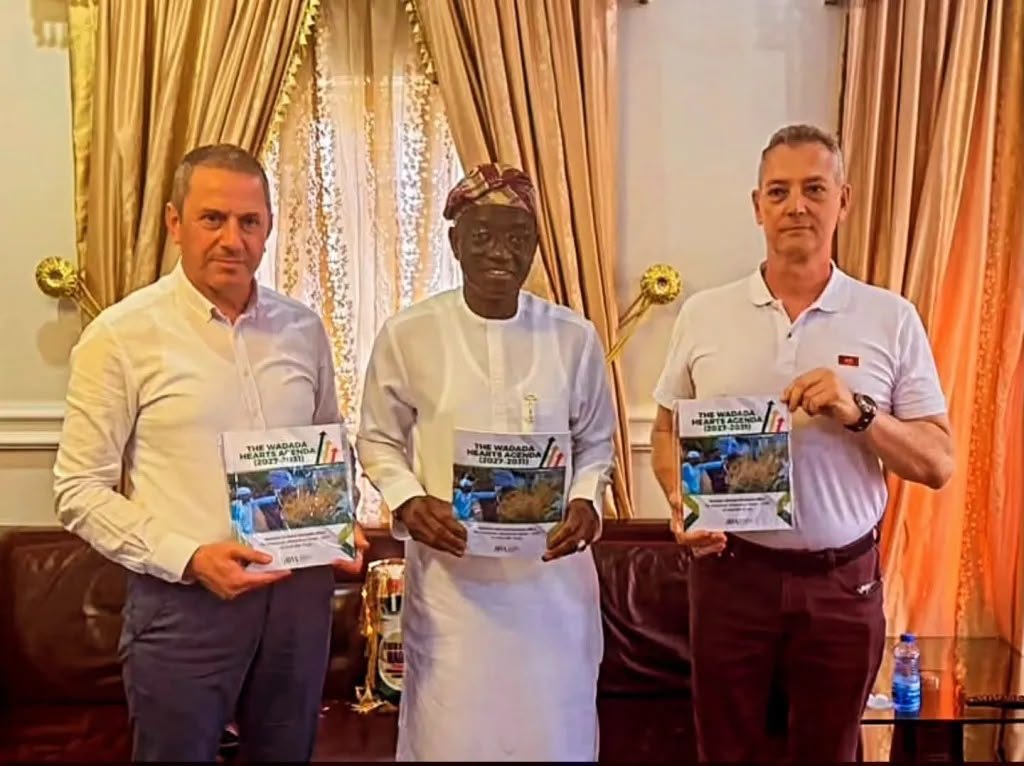
In a significant demonstration of his commitment to sustainable development, Senator Wadada recently engaged two diplomats, General Gürhan Ergürhan and General Güven Acace, to explore opportunities for international collaboration and strategic partnerships capable of advancing the economic fortunes of Nasarawa State.
The engagement was more than a diplomatic courtesy visit. It was an opportunity to present a development philosophy that recognises the enormous potential of Nasarawa State and the need to connect its abundant human and natural resources with global expertise, investment opportunities, modern technology and international development experience.
At the centre of the discussion was Wadada’s HEARTS Agenda, a comprehensive development blueprint built around six strategic pillars: Human Capital Development; Energy and Mineral Resources; Agriculture and Green Economy; Rural and Urban Development; Trade, Investment and Industry; and Security.
The significance of this agenda lies in its comprehensive approach to governance. It recognises that development cannot be achieved through isolated interventions or government activities concentrated in a few urban centres. Rather, meaningful transformation requires a coordinated strategy that addresses the economic, social, infrastructural and security needs of the entire population.
Human Capital Development, the first pillar, places the people at the centre of governance. No state can achieve sustainable prosperity without investing in education, healthcare, skills acquisition and the empowerment of its citizens. Wadada’s emphasis on human capital suggests an understanding that the greatest resource of Nasarawa is not merely what lies beneath its soil but also the intelligence, creativity and productive capacity of its people.
The second pillar, Energy and Mineral Resources, is particularly important to the economic future of Nasarawa. The state is endowed with significant solid mineral resources and possesses opportunities for energy development. However, natural resources alone do not guarantee prosperity. They must be properly harnessed through responsible investment, modern technology, value addition and transparent management. International partnerships could provide the technical expertise and investment capital required to convert these opportunities into employment, industrial growth and increased government revenue.
Agriculture and the Green Economy, the third pillar, addresses another critical sector of the state’s economy. With its agricultural potential, fertile land and hardworking farming communities, Nasarawa can become a major contributor to Nigeria’s food security. The future of agriculture, however, goes beyond subsistence farming. It requires mechanisation, irrigation, improved seedlings, agro-processing, storage facilities and access to local and international markets. Strategic international cooperation can help unlock these possibilities.
The fourth pillar, Rural and Urban Development, demonstrates the importance of balanced growth. Development must not be restricted to Lafia, Keffi and other major towns. Communities in the rural areas must also enjoy improved roads, electricity, water supply, healthcare, schools and other essential infrastructure. A development agenda that deliberately connects rural communities to urban markets will strengthen economic activities and reduce inequality.
Trade, Investment and Industry, the fifth pillar, is equally strategic. Nasarawa must move beyond being a state with enormous economic potential to becoming a destination where investors can confidently establish businesses, industries and commercial enterprises. This requires an enabling business environment, institutional efficiency, infrastructure, policy consistency and purposeful engagement with domestic and international investors.
The sixth pillar, Security, provides the foundation upon which all other development objectives must rest. Without peace and security, agriculture suffers, businesses struggle, investors become reluctant and communities cannot realise their full economic potential. Security, therefore, is not simply a law enforcement responsibility; it is an essential condition for economic growth and social stability.
What makes Wadada’s engagement with the diplomats particularly significant is his recognition that the challenges of development cannot be addressed entirely through local resources and conventional approaches. In today’s interconnected world, governments must cultivate relationships that facilitate the exchange of knowledge, technology, investment and institutional expertise.
Countries and states that have successfully transformed their economies have often done so by building strategic international relationships and creating opportunities for mutually beneficial cooperation. Nasarawa should not be an exception.
However, international partnerships must translate into tangible benefits for the people. They should result in investments, employment opportunities, skills development, technology transfer, industrial expansion and improved public infrastructure. The ultimate measure of any development blueprint is not the number of meetings held or the number of international contacts established, but the positive changes it delivers to ordinary citizens.
This is where Wadada’s HEARTS Agenda must distinguish itself: by turning its six pillars into measurable programmes, realistic policies and implementable projects that can improve the living conditions of the people across the 13 local government areas of the state.
His engagement with General Gürhan Ergürhan and General Güven Acace therefore sends an important message about the kind of development conversation he wants to promote: one that is outward-looking, partnership-driven and focused on unlocking the economic potential of Nasarawa.
As the 2027 governorship election draws closer, the people of Nasarawa deserve more than political rhetoric. They deserve a clear vision, a practical development strategy and leadership that understands the connection between local opportunities and global possibilities.
Senator Ahmed Wadada Aliyu is presenting the HEARTS Agenda as his proposed framework for achieving this objective. Its success will ultimately depend on effective implementation, accountability, competent administration and the political will to translate vision into reality.
Nasarawa is richly endowed with human and natural resources. What the state needs is a leadership approach capable of bringing these resources together, creating opportunities and ensuring that prosperity reaches every community.
The message from Wadada’s diplomatic engagement is clear: Nasarawa must not only participate in the global development conversation; it must position itself to benefit from the opportunities that the world has to offer.
With the HEARTS Agenda, Wadada is projecting a vision that looks beyond the next election and towards the long-term economic transformation of Nasarawa State.
Indeed, the future of Nasarawa requires a leader who thinks locally, engages globally and delivers development inclusively.
Israel JP is the Senior Special Assistant on media to Senator Wadada
About the Author