By Sam Israel
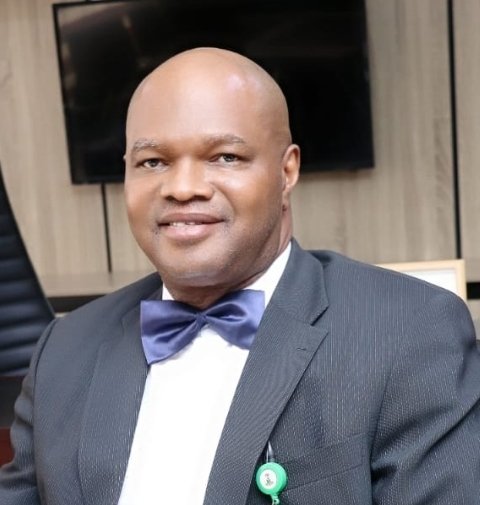
The race for the Nasarawa State Government House in 2027 is gathering momentum, and the political atmosphere is becoming increasingly charged. As political parties, stakeholders, community leaders and aspirants intensify their activities, one name continues to occupy a prominent position in the conversation: Senator Ahmed Wadada Aliyu, the All Progressives Congress (APC) governorship candidate. His growing visibility is not merely a product of political ambition; it reflects a combination of political experience, party influence, an established public profile and a succession arrangement that has placed him at the centre of the contest.
**1. A Candidate with Political Experience and Legislative Credentials**
One of Wadada’s principal advantages is his experience in public office. As a serving senator representing Nasarawa West Senatorial District and one time Chairman of the Senate Committee on Public Accounts, he operates within the legislative institution responsible for lawmaking, oversight and accountability in government. These responsibilities provide him with exposure to public finance, institutional processes and the relationship between policy decisions and public expenditure. For a state seeking effective governance, the question is whether such experience can be translated into practical policies, stronger institutions and improved public services. Wadada’s supporters believe his legislative background gives him a valuable foundation for that task.
**2. The Advantage of the APC Governorship Ticket**
In a competitive election, a candidate’s personal popularity matters, but the platform on which the candidate contests is equally important. Wadada enters the 2027 race as the APC’s officially recognised governorship candidate following the party’s primary election in May 2026. His emergence gives him access to the party’s established political network, its elected officials and its structures across Nasarawa State. The APC’s existing presence in government provides an additional platform from which he can present his agenda to voters. However, the real test will be how effectively the party mobilises its supporters and maintains unity as the general election approaches.
**3. Governor Abdullahi Sule’s Endorsement and the Question of Continuity**
Governor Abdullahi Sule’s endorsement of Wadada as his preferred successor has been one of the defining developments in the succession debate. In Nigerian politics, the support of a sitting governor can provide a candidate with political visibility, access to experienced party leaders and an important organisational advantage. Sule’s preference signals his confidence in Wadada as a potential successor capable of sustaining the direction of his administration. Yet endorsement alone cannot determine the outcome of a general election. Wadada must demonstrate that he can earn the confidence of voters independently, unite the party’s different interests and convince the wider electorate that his leadership would serve the interests of the entire state.
**4. Building on Sule’s Achievements Without Losing Sight of New Challenges**
Wadada has pledged to build on the achievements of the Sule administration rather than discard its development initiatives. This continuity argument is central to his political message. Supporters of the APC believe that ongoing infrastructure projects, investment initiatives and improvements in public administration should be sustained by the next government. Nevertheless, continuity must not become an excuse for complacency. Nasarawa’s next governor will face new demands involving employment, education, healthcare, agriculture, security, infrastructure and the cost of living. Wadada’s strongest case will be one that combines the preservation of useful achievements with fresh ideas, measurable targets and a clear commitment to improving the lives of ordinary citizens.
**5. The HEARTS Agenda: An Opportunity to Define His Vision**
Wadada has presented a development blueprint known as the HEARTS agenda, built around Health, Education, Agriculture, Rural Development, Transportation and infrastructure, with security featuring prominently in his wider programme. The agenda provides an opportunity to explain what his proposed administration would prioritise and how it would deliver results. But a development blueprint becomes meaningful only when citizens understand its implementation. Voters will want to know how hospitals will be improved, schools strengthened, farmers supported, rural communities connected to markets, roads maintained and security institutions assisted within the limits of state authority. The more specific, realistic and transparent his proposals become, the more effectively the agenda can be judged on its merits.
**6. A Public Profile That Extends Beyond His Senatorial District**
Wadada’s political activities and engagements with stakeholders have helped place his name before audiences across Nasarawa. His governorship ambition has generated discussions among party leaders, traditional institutions, community organisations and political groups. His challenge now is to turn visibility into genuine statewide acceptance. Nasarawa is politically and socially diverse, and support in one senatorial district cannot automatically be assumed to translate into support in the other two. A candidate seeking to govern the entire state must demonstrate an understanding of the different communities, their development priorities and their expectations of government. Wadada’s ability to build such a broad coalition will be central to his prospects.
**7. Grassroots Mobilisation and the Importance of Political Organisation**
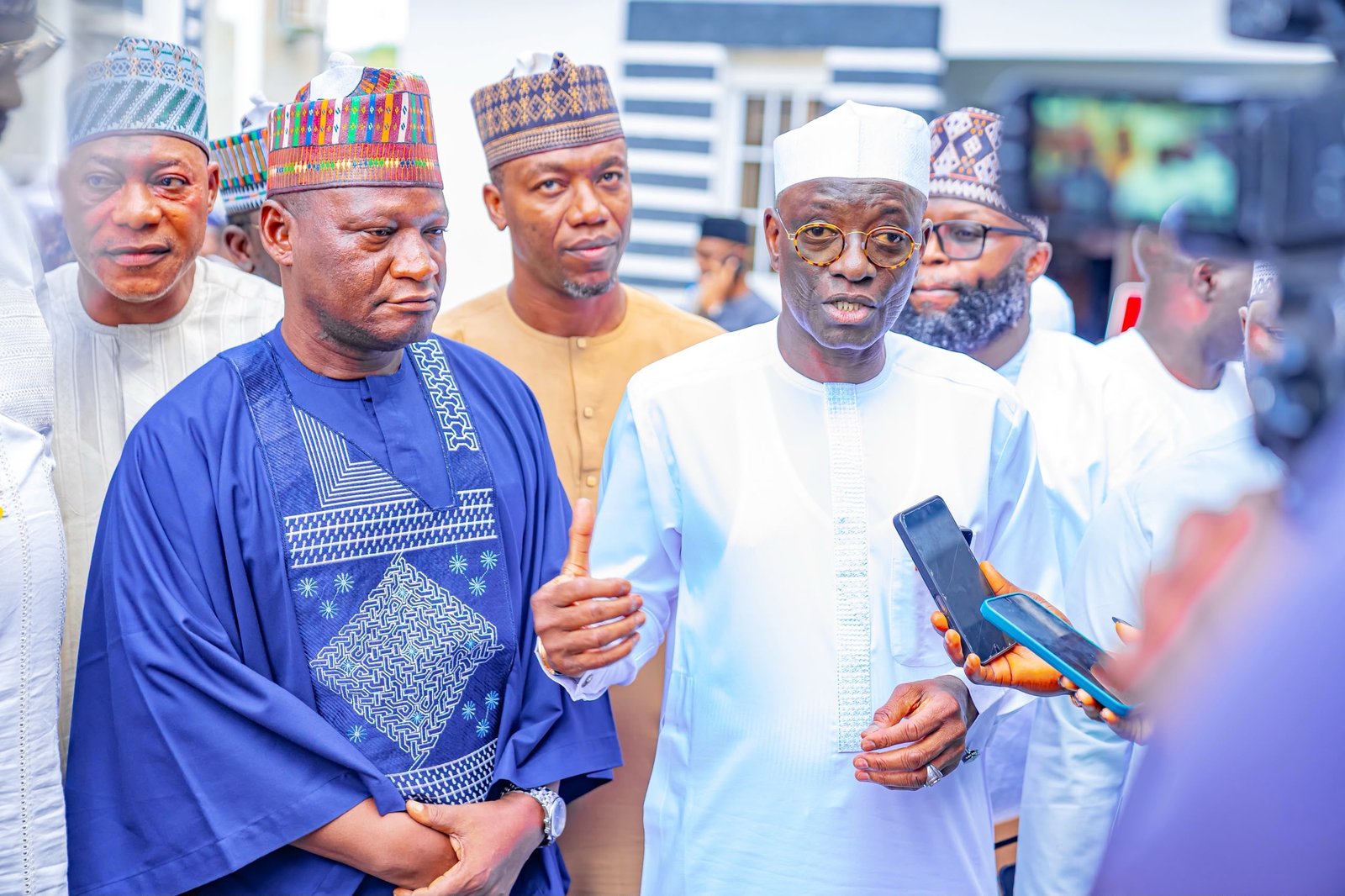
Elections are not won through headlines and endorsements alone. They require consistent engagement with voters, functional campaign structures, credible local representatives and the ability to communicate a candidate’s message in every local government area. Wadada’s recent engagement with former campaign coordinators and his appeal for an inclusive political structure reflect the importance of this task. His call for former party members and new entrants to work together is particularly significant because political disagreements can weaken even a well-positioned candidate. If the APC can combine its existing organisation with sincere reconciliation and effective grassroots engagement, Wadada could enter the general election with a substantial organisational advantage.
**8. Reconciliation: The Difference Between a Strong Ticket and a Winning Coalition**
The APC’s primary election produced a clear winner, but a primary victory and a general-election victory are two different achievements. Disagreements among aspirants and their supporters can persist long after the announcement of a result. Wadada’s appeal for unity and forgiveness among party stakeholders is therefore more than a gesture of political courtesy; it addresses a practical challenge. The candidate must convince those who supported other aspirants that they remain valued members of the party and that their interests will not be ignored. Genuine reconciliation requires listening, inclusion and respect, not simply demands for loyalty. If Wadada succeeds in bringing competing interests together, he will strengthen one of the most important foundations of his campaign.
**9. His Legislative Position Offers an Opportunity to Champion Development**
As a senator, Wadada has experience engaging with federal institutions and national development discussions. That experience could be useful in pursuing partnerships, investments and infrastructure initiatives that benefit Nasarawa State. His public advocacy for development projects and legislative proposals also provides a basis for discussing how the state can work more effectively with the Federal Government. However, voters will rightly expect more than announcements. They will want to see which proposals have received legislative approval, which projects have secured funding, which remain under consideration and what practical benefits residents can expect. Clear communication about these distinctions would reinforce the transparency and accountability that a prospective governor should embody.
**10. A Candidate Must Offer Equal Opportunity to Every Part of Nasarawa**
A governorship candidate must rise above the interests of the political group that secured his nomination. Nasarawa’s future depends on a government that gives every community a fair opportunity to benefit from public investment and services. Wadada has an opportunity to make equal opportunity a defining principle of his proposed administration. This means fair access to education and healthcare, transparent employment and empowerment programmes, support for farmers and small businesses, and balanced infrastructure development across the state’s 13 local government areas. It also means ensuring that political affiliation does not determine who receives attention from government. A credible commitment to fairness could help him broaden his appeal beyond established party loyalties.
**11. The Importance of Traditional Institutions and Community Engagement**
Traditional rulers and community leaders remain influential participants in Nasarawa’s public life. Their institutions provide channels for communication, mediation and the expression of local concerns. Wadada’s engagements with community stakeholders offer opportunities to understand those concerns and explain his proposed policies. Nevertheless, support expressed by leaders or organised groups should not be mistaken for a guarantee of how every individual will vote. The ultimate decision belongs to eligible voters. The most effective approach is therefore to treat community engagement as a continuing responsibility: listen to local needs, explain policy choices honestly and demonstrate respect for every community, whether its leaders publicly support the candidate or not.
12. The Opposition Will Make This a Serious Electoral Contest
Despite Wadada’s advantages, the 2027 election should not be treated as a foregone conclusion. Other political figures and parties will seek to persuade voters that they offer a better alternative. Political divisions, dissatisfaction with government performance, economic pressures and changing voter preferences can all affect an election. Wadada’s supporters must therefore avoid the temptation to equate endorsements with guaranteed votes. His campaign will need to address legitimate concerns, respond to criticism with facts and show how its policies would improve the daily lives of residents. The strength of a candidate is demonstrated not only by the number of people standing beside him at political gatherings, but also by the quality of his answers to the questions voters consider important.
13. Why Wadada’s Candidacy Is a Significant Development
Taken together, Wadada’s legislative experience, the APC nomination, Governor Sule’s endorsement, his public development agenda and his efforts to bring political stakeholders together explain why he occupies such a prominent position in Nasarawa’s 2027 governorship contest. These factors provide a credible basis for describing him as a leading contender. They do not, however, establish that he is certain to win. That distinction matters because a serious political commentary should recognise both a candidate’s strengths and the work still required to convert those strengths into electoral success. Wadada’s task is to show that his political standing can be matched by a convincing vision, a united organisation and a relationship of trust with the electorate.
14. The Final Test: Turning Political Momentum into Public Confidence
Ultimately, the 2027 election will be a test of leadership, organisation, policy credibility and public confidence. Wadada has an opportunity to present himself as a candidate who can combine continuity with innovation, experience with fresh thinking, and political strength with inclusive governance. To make that case persuasive, he must explain how his agenda will be funded, how performance will be measured, how public resources will be protected and how citizens will hold his administration accountable. He must also demonstrate that his commitment to development extends beyond campaign events to the everyday concerns of families, farmers, traders, workers, young people and vulnerable residents.
**CONCLUSION: THE ROAD TO GOVERNMENT HOUSE MUST BE EARNED**
Senator Ahmed Wadada Aliyu has several important political advantages as Nasarawa State moves towards the 2027 governorship election. His APC ticket, legislative experience, Governor Sule’s endorsement, development blueprint and ongoing political engagements have placed him firmly in the succession conversation. These are substantial assets, but their ultimate value will depend on how he uses them.
The road to Government House will require more than political calculations. It will demand unity within the APC, credible policies, peaceful campaigning, respect for competing voices and a convincing commitment to the welfare of all Nasarawa residents. Wadada’s supporters have a strong argument to make about his preparedness and his potential to lead. Their responsibility is to make that argument through evidence, practical proposals and constructive engagement rather than complacency or personal attacks.
In the final analysis, the most compelling reason to support a candidate is not simply that powerful people have endorsed him, but that his experience, character, programme and record give voters confidence in what he can deliver.
**For Wadada, the opportunity is clear: transform political momentum into public trust, turn a development blueprint into measurable commitments, and demonstrate that his ambition to lead Nasarawa State is matched by the capacity to serve every part of it. That is the standard by which his candidacy—and every other contender—should ultimately be judged.
Israel JP is the Senior Special Assistant on media to Senator Wadada
About the Author