By Dr. James Bwala
For quite some time, the political scene in Nigeria has been buzzing with talk about President Bola Ahmed Tinubu’s alleged struggles to set foot in the U.S. This topic has popped up repeatedly in opposition debates, social media discussions, and campaign narratives. Some critics have used this claim to suggest there are hidden legal or diplomatic issues at play, while others have leveraged it to question the president’s legitimacy, international reputation, and ability to lead Nigeria.
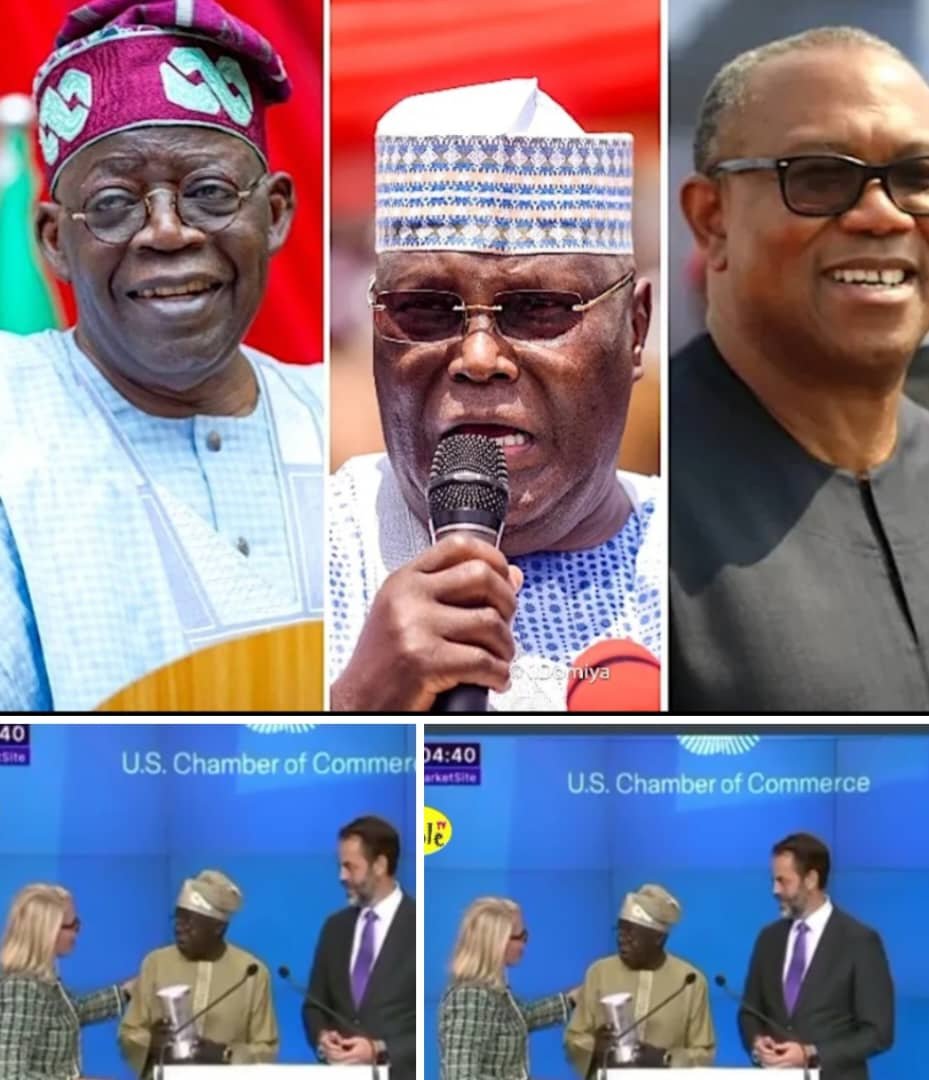
However, President Tinubu’s recent visit to the United States, where he even spoke at the U.S. Chamber of Commerce, has really put a dent in those allegations. His presence in America, his interactions with investors, and his role as Nigeria’s representative have provided a solid counter to a debate that was mostly fueled by speculation. Instead of addressing each accusation one by one, the president’s visit allowed the facts and his public visibility to do the talking.
That said, this visit doesn’t mean that all criticism of the administration should just fade away. In a democracy, it’s crucial that government policies remain open to examination. Still, it highlights the risks of basing political arguments on unverified claims. It also signals that the opposition needs to come up with more substantial issues if they want to win over Nigerians in the upcoming 2027 elections.
The claim that President Tinubu can’t enter the United States really took off because it tapped into the public’s skepticism and political feelings. With so many Nigerians already feeling the weight of economic struggles, insecurity, unemployment, and soaring living costs, damaging rumors about public figures can spread like wildfire. Social media has made it all too easy for these whispers to reach millions before anyone has a chance to fact-check them.
For many in the opposition, this alleged travel ban became a handy political tool. It wasn’t just about whether he could travel; it was framed as evidence of supposed misconduct. The narrative was often repeated without any solid proof, official documents, or credible explanations. Yet, the more it was said, the more it seemed true. Some people bought into the story simply because it aligned with their political beliefs.
This is how political rhetoric can drown out the facts. When a claim is echoed frequently, especially by prominent commentators and social media influencers, it can morph into accepted wisdom. Many unsuspecting citizens accepted the narrative without pausing to ask some fundamental questions: Where did this allegation come from? Was there any official word from the United States? Was there a court order or immigration paperwork? Had any reputable international organizations verified the claim?
Engaging in politics responsibly means going beyond just stirring emotions. Serious allegations need to be backed by verifiable evidence. Without that, they remain mere political assertions rather than established truths.
President Tinubu’s trip to the United States really changed the tone of the conversation. By showing up at the U.S. Chamber of Commerce, he stepped into a public and official arena where he interacted with American business leaders and investors. This wasn’t some behind-the-scenes maneuver; it was a clear diplomatic and economic engagement with a key institution in the U.S.
While at the Chamber of Commerce, the president showcased Nigeria as a land brimming with investment opportunities. He highlighted the reforms his administration is rolling out and urged American investors to seize the chance to tap into Nigeria’s economic potential. His message was aimed at businesses that could bring in capital, technology, jobs, and expertise to help drive Nigeria’s growth.
This appearance was significant for a couple of reasons. First, it put to rest the notion that the president couldn’t set foot in the United States. Second, it shifted the focus from political rumors to the real responsibilities of national leadership. Instead of coming off as a politician caught in defensive posturing, President Tinubu presented himself as Nigeria’s leading ambassador to international investors.
Public officials often find themselves in the spotlight, especially when it comes to handling controversy. A leader who spends all their time addressing rumors might unintentionally elevate those rumors’ significance. President Tinubu took a different route during his recent visit to the United States. By focusing on his official duties, he provided a clear and tangible response to the allegations. His mere presence spoke volumes, far more than any lengthy political debate could.
The significance of this visit shouldn’t be overlooked. International engagements are scrutinized closely, as they showcase how a country is perceived on the global stage. When a Nigerian president speaks to international investors, he’s not just representing himself or his party; he’s embodying the nation’s image, policies, aspirations, and investment landscape.
Through his appearance, President Tinubu conveyed a strong message of confidence. It indicated that Nigeria is open for business and that the government is eager to collaborate with global partners. His call to investors was particularly crucial at a time when Nigeria is in dire need of foreign investment and stronger economic ties.
Moreover, the visit highlighted that the presidency is actively engaged in the usual realm of international diplomacy. Meetings with business leaders and government officials are essential duties for any national leader. These interactions can pave the way for opportunities in various sectors, including energy, infrastructure, agriculture, technology, manufacturing, healthcare, and financial services.
In this light, the visit was more than just a reaction to political opposition. It was a chance to push forward Nigeria’s economic goals. While political debates may capture headlines at home, what citizens truly need are jobs, stable prices, better infrastructure, reliable electricity, and improved public services. Achieving these goals hinges on forming solid international partnerships, rather than getting caught up in endless speculation about unfounded allegations.
The president’s appearance holds significant political weight as the nation gears up for the 2027 elections. Opposition parties have every right to challenge the ruling All Progressives Congress and highlight the areas where the administration has stumbled. However, for the opposition to be effective, it needs to be grounded in credible alternatives and verifiable facts.
A political strategy that relies heavily on rumors might grab some temporary attention, but it’s unlikely to build lasting public trust. Nigerians are increasingly savvy, with access to various information sources that allow them to compare claims against actual events. When a prediction or allegation is proven wrong, those who pushed it risk losing their credibility.
Take the claim about President Tinubu supposedly being unable to enter the United States; it was wielded like a political weapon. However, his recent visit has diminished its impact. The opposition might try to spin the event or come up with new explanations, but the undeniable fact remains: the president traveled to the U.S. and engaged publicly with the U.S. Chamber of Commerce.
This fact doesn’t resolve every question about the administration, but it does put to rest the specific claim that he couldn’t enter the country. It’s crucial to differentiate between what this event confirms and what it doesn’t. The visit showcases his ability to travel and engage publicly in the U.S., but it doesn’t mean Nigerians should stop critiquing his policies. Good governance should be evaluated based on economic performance, transparency, security, human development, and respect for democratic institutions.
This distinction is vital for a mature political conversation. Supporting the president doesn’t mean ignoring his flaws, just as opposing him shouldn’t involve spreading unfounded claims. Citizens should be able to acknowledge achievements while also holding leaders accountable. They must reject propaganda, no matter which political side it comes from.
Supporters of President Tinubu affectionately call him Jagaban, a title that reflects his political prowess and strategic confidence. His recent trip to America only adds to the image of a leader who truly grasps the importance of international presence and economic diplomacy. By engaging with investors and showcasing Nigeria’s potential, he’s shown that being a president goes beyond just local political battles.
However, the real measure of success from such a visit lies in the tangible results it brings. Investors are looking for more than just inspiring speeches; they want to see consistent policies, security, access to foreign currency, clear regulations, efficient ports, dependable power supply, and a judicial system that upholds contracts and property rights. If this administration can turn these international discussions into real investments, then the president’s message will resonate for a long time.
It’s important to view the American visit as just the beginning of a journey, not the conclusion. While it may have diminished a certain political narrative, it’s crucial that it leads to effective action. Nigerians will be watching closely for the jobs created, businesses launched, infrastructure built, and opportunities opened up for everyday citizens.
The larger takeaway here is that public discourse should be rooted in facts. Political parties and their supporters need to ensure they’re sharing verified information. Media outlets, commentators, and social media influencers also have a role to play in understanding the impact of spreading unverified claims. Misinformation can tarnish reputations, widen national divides, and divert focus from pressing policy issues.
The president’s recent visit to the United States has proven that sometimes, reality can really shake up even the most popular political narratives. For a while, it seemed like the opposition was making headway in the media by pushing the claim that he couldn’t set foot in America. But that visit turned the tide. What was once seen as a significant political liability became hard to maintain when faced with undeniable proof.
As we gear up for the 2027 elections, it’s time for Nigerians to expect more from all political players. The opposition needs to come forward with solid plans for economic growth, security, education, healthcare, and national unity. Meanwhile, the ruling party should honestly defend its track record and tackle the challenges that citizens are facing. Both sides should steer clear of relying on rumors instead of presenting real policies.
President Tinubu’s trip to the U.S. has delivered a powerful rebuttal to the claims about his supposed inability to enter the country. His participation at the U.S. Chamber of Commerce showcased not just international access and diplomatic confidence, but also his commitment to positioning Nigeria as a prime investment hub. More importantly, it highlighted the fragility of political narratives that lack substantial evidence.
While the opposition is certainly entitled to critique the administration, it’s time to move past this specific allegation. Nigerians deserve political discussions rooted in facts, innovative ideas, and tangible results. The President’s presence in America has shut down one avenue of speculation. Now, the real challenge for every political party is to present something more substantial: a clear vision for transforming Nigeria and enhancing the lives of its citizens.
Bwala, PhD, writes from Abuja
About the Author