The National Human Rights Commission (NHRC) has raised concerns over the growing menace of hate speech in Nigeria, warning that inflammatory rhetoric could undermine democracy, trigger violence, and reverse the country’s developmental gains ahead of the 2027 general elections.
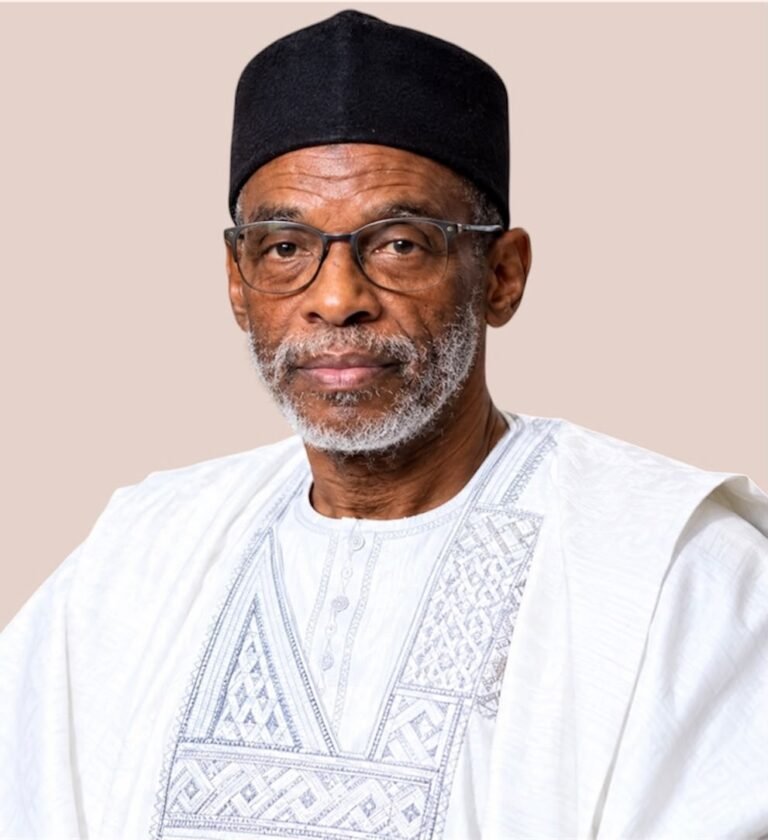
The Executive Secretary of the Commission, Tony Ojukwu, said hate speech constitutes a direct violation of human rights and poses a grave threat to national peace, unity, and sustainable development.
In a statement issued on the occasion of the International Day for Countering Hate Speech, Ojukwu stressed that hate speech strips individuals of their dignity and violates the principles of equality and non-discrimination enshrined in Article 7 of the Universal Declaration of Human Rights.
He noted that although freedom of expression is a fundamental right, it does not extend to speech that incites hatred, hostility, discrimination, or violence against others.
According to him, Nigeria’s legal framework already criminalises such conduct, citing Sections 24 and 26 of the Cybercrimes (Prohibition, Prevention, etc.) Act, 2015, which prohibit the deliberate dissemination of offensive and inflammatory messages through digital platforms.
The human rights advocate, however, maintained that legislation alone cannot curb the menace, insisting that political leaders, traditional rulers, religious figures, media organisations, and citizens all have a responsibility to exercise restraint and promote responsible communication.
He warned that unchecked hate speech has the capacity to fuel divisions and sow the seeds of conflict.
“When communities are pitched against one another, public trust collapses, businesses shut down, schools close, and investments disappear. Conflict destroys infrastructure, displaces families, and reverses years of developmental gains. No nation can build on the ruins of hatred,” he said.
Looking ahead to the 2027 general elections, Ojukwu cautioned that hate speech could compromise the credibility of the electoral process and infringe on citizens’ rights to participate freely in democratic governance.
He warned that incendiary rhetoric could intimidate voters, suppress participation, and deepen Nigeria’s ethnic and religious fault lines.
“Hate speech is not harmless talk. It is a trigger for conflict, a brake on national development, and a betrayal of our shared humanity. Let us not allow this monster to spread ahead of the 2027 general elections. If we do, we will pay for it with lives, livelihoods, and the future of our democracy,” he said.
The Chief Human Rights Officer of Nigeria called on Nigerians to reject divisive narratives, verify information before sharing it, and promptly report incitement to violence and discriminatory conduct to relevant authorities.
He also pledged that the Commission would continue to monitor, document, and respond to incidents of hate speech across the country as part of its mandate to protect human rights and promote social cohesion.
About the Author