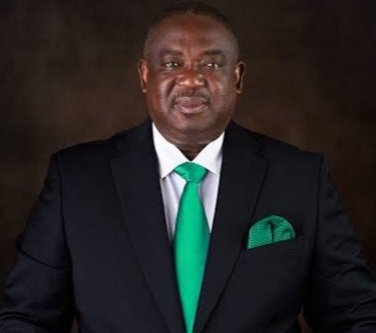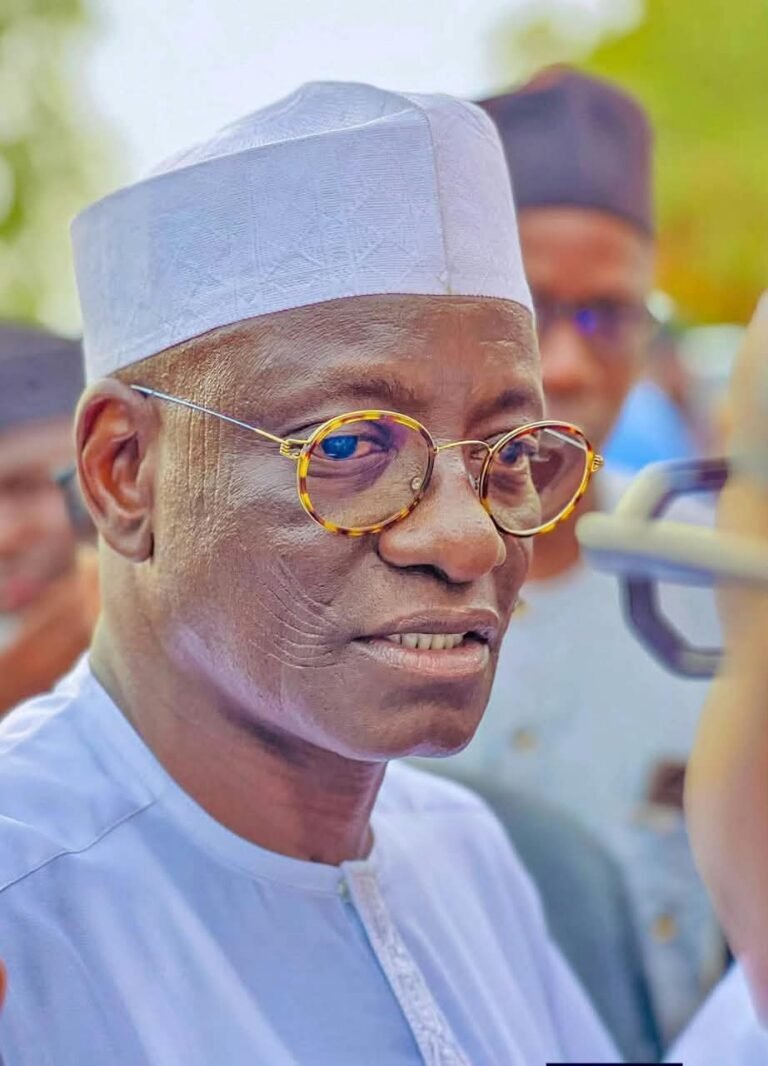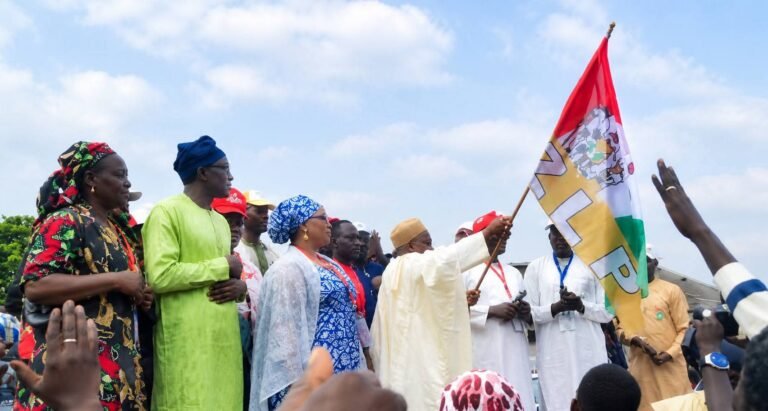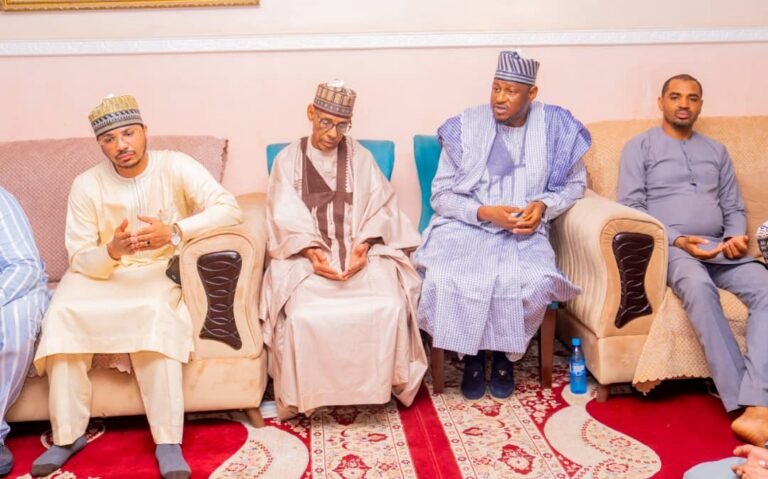
Senator Tony Nwoye, who represents Anambra North Senatorial District, has officially resigned from the African Dmocratic Congress (ADC) and joined the Nigeria Democratic Congress (NDC).
His defection was announced during Wednesday’s Senate plenary after Senate President Godswill Akpabio read his resignation letter before lawmakers.
In the letter, Nwoye explained that his decision to leave the ADC was due to ongoing internal crises and multiple court cases affecting the party.
According to the Senator, persistent divisions and legal disputes within the ADC have weakened the party’s structure and made it difficult for members to operate effectively.
Senator Nwoye stated: “I write to formally notify you of my resignation from the African Democratic Congress (ADC) and my intention to defect to the Nigerian Democratic Congress (NDC).”
He also noted that recent court rulings further destabilized the party’s coalition arrangement, contributing to his exit.
The move comes shortly after Senator Victor Umeh also left the ADC for the NDC over similar concerns related to internal disagreements and litigation.
In another recent political development, Senator Rufai Hanga of Kano Central defected from the New Nigeria Peoples Party (NNPP) to the NDC, citing factional crises within his former party.
With the latest defections, the NDC now has four senators in the National Assembly.
Current Senate party distribution now stands as follows: APC – 87 senators, ADC – 7 senators, PDP – 4 senators, NDC – 4 senators, APGA – 1 senator, Accord Party – 1 senator and Labour Party – 1 senator.
The NNPP currently has no senator in the upper legislative chamber.
Meanwhile, several Senate seats remain vacant following the deaths of Senators Godiya Akwashiki, Barinada Mpigi, and Okey Ezea. Senator Jimoh Ibrahim also vacated his seat after being appointed Nigeria’s Permanent Representative to the United Nations.
Political observers believe the recent wave of defections signals major political realignments ahead of the 2027 general elections, as parties and influential politicians reposition for greater influence.
About the Author