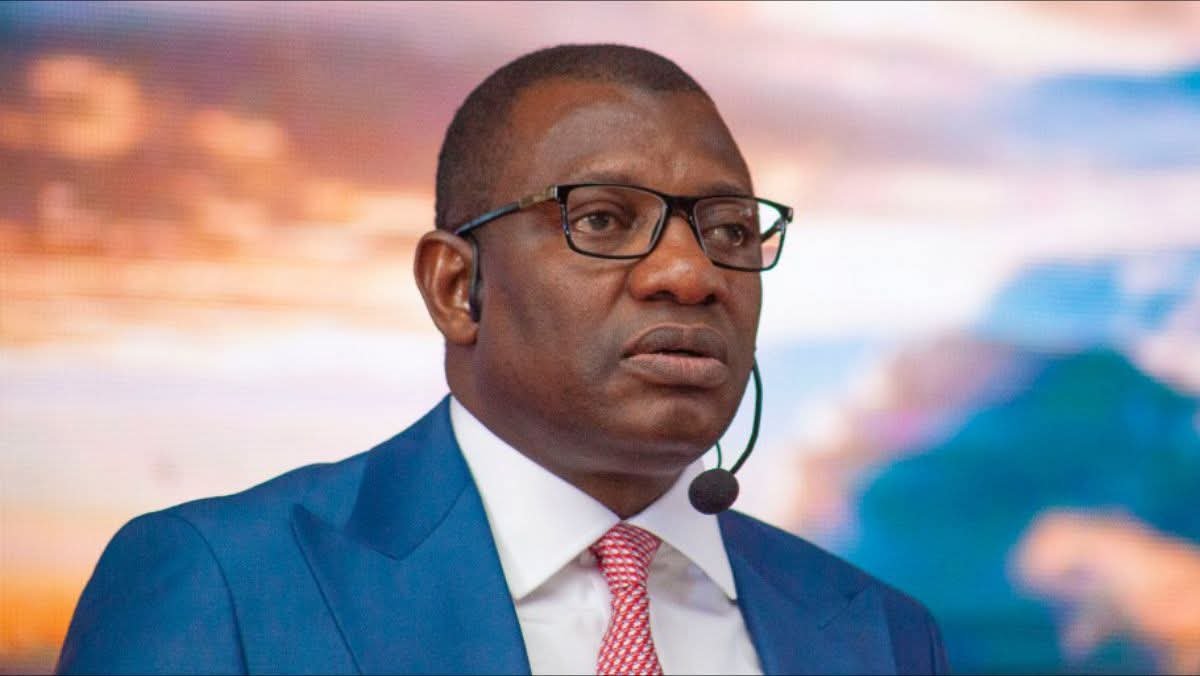
By Usman Abdullahi Koli
Amidst scarcity, poverty, and hunger, there are ironically unharvested fruits in abundance. We gazed up while ripe fruits flooded our soil. This is similar to the literary work of American poet Robert Frost, the author of the poem “Unharvested.” The great writer penned this poem to draw attention to the fact that some good things remain outside our systems of use, ownership, and planning, so that simply encountering them can be innocent again.
One of Frost’s most popular poems is “The Road Not Taken,” a work of art that gives a feeling of trying new things, something outside the status quo.
This is relatable to the just-concluded primaries of different political parties, particularly in Bauchi State. It came with opportunities but sadly represented a missed advantage to harvest the prosperity offered. As a citizen of this great state, I felt a missed opportunity in selecting flag bearers for the parties.
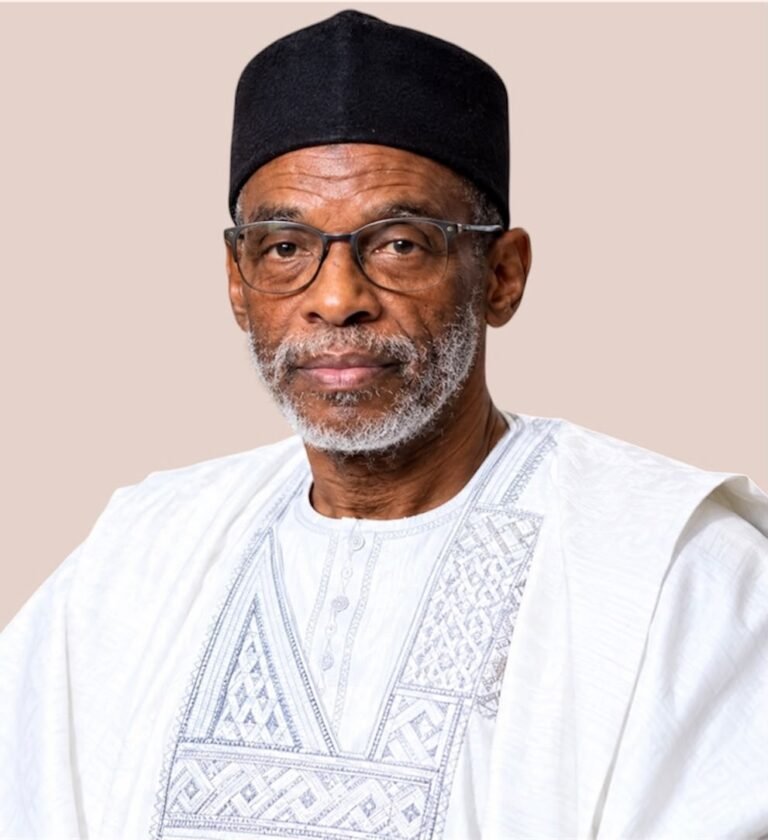
Bauchi has Dr. Bala Maijama’a Wunti, who occupies a significant conversational space—not politically, but for his selfless impacts over the years. He provides assistance that offers direct relief.
‘Technocrat with Compassion’
His professional grounding is firmly within the Nigerian National Petroleum Company system, where he spent over three decades in a demanding technical environment defined by discipline, precision, and accountability. Yet that institutional record, while significant, does not fully explain how his name moved beyond the corporate space into everyday social memory.
That movement happened through lived encounters that people still recall: a school fee quietly settled at a critical moment, a medical situation resolved when options had run out, a household supported through difficulty without the experience ever being turned into a public display.
What makes Bala Wunti different from many other public figures from this corridor in Bauchi is not merely what he did, but how he carries himself while doing it. He is not a man who raises his voice to make a point. He does not need to announce his presence before entering a room.
Those who have worked closely with him describe a person who listens more than he speaks, who waits for others to finish before offering his own view, and who treats a person with nothing the same way he treats a person with everything. That is not performance; that is simply who he has been for as long as anyone can remember.
His humility is not the rehearsed kind that politicians put on during campaign seasons. It shows itself in small, unguarded moments that people notice without being told. He does not interrupt. He does not belittle. He does not make anyone feel small for not knowing what he knows.
He has a way of making you feel that your question is intelligent, your concern is valid, and your presence is welcome. In a society where power is often displayed through intimidation and loudness, his quiet dignity stands out like a calm person in a noisy room. You do not notice it at first, but after a while, you realize it is the only thing worth paying attention to.
His patience has been tested many times, especially during moments of political disappointment, and in every instance, he has refused to let frustration turn into rash action. He does not rush people. He does not force decisions before their time. He waits. He watches. He acts only when the time is right. That is the mark of a man who has nothing to prove and everything to protect.
His integrity is equally defining. Bala Wunti does not say one thing in private and another thing in public. What you see is what you get. He does not make promises he cannot keep, and he would rather lose an opportunity than lose his honor. In environments where verbal commitments are often discarded the moment they become inconvenient, that consistency has become legendary among those who have dealt with him.
His generosity is well known, but what is less discussed is the manner of it. He gives without making the recipient feel indebted. He helps without being reminded. He supports without keeping score. There are people in Bauchi today who have received life-changing assistance from him and have never once been made to feel like beggars.
Words of Robert Frost, in “Unharvested”: ‘As complete as the apple had given man.’ This depicts the abundance nature offers to man. This is what Bala Wunti has been offering on all fronts.
His composure through adversity is a quality that has earned him the deepest loyalty. When he was set aside by the political machinery, when the system pushed him out of consideration despite people’s desire for him, he did not rage. He did not threaten. He did not use his supporters to fight battles he could have easily started.
He simply returned to his foundation. He returned to the work he had been doing before ambition entered the picture. He accepted the outcome not with the weakness of resignation but with the strength of a man who knows that his worth is not tied to a title. That kind of self-control is extremely rare. It is the kind of thing people remember long after they have forgotten who won the election.
His supporters do not follow him because of what he promised them. They follow him because of what they have seen him do when no one was watching. They follow him because he has never made them feel like tools to be used and discarded.
They follow him because when they speak, he actually listens—not with the impatience of a man waiting for his turn to talk, but with the full attention of someone who believes that what they have to say matters. That is not leadership taught in any school. That is leadership that comes from a place deeper than training. It comes from a heart that has not been hardened by ambition.
History has a way of remembering men like this. In old emirates, before colonialism restructured everything, there were figures who never held official titles but remained in the memory of their communities for generations. They were the ones people turned to when formal authority was too distant or too compromised. They gave without keeping accounts.
They served without demanding recognition. They died, and people buried them with their own hands, and then they told stories about them for decades afterward. A figure like that has not appeared in Bauchi for a very long time. Bala Wunti is that figure. It will be said that the fruits of abundance were unharvested.
Koli can be reached at mernoukoli@gmail.com.
About the Author