Share

The Kwara State government, in partnership with UNICEF, is launching a hybrid education strategy combining a structured return to physical classrooms with a supplementary radio-based learning initiative to ensure continuity and expanded access. This dual approach creatively addresses both security-related disruptions and infrastructural limitations by broadcasting lessons on scheduled timeslots via local radio, with plans to expand station coverage. Crucially, the model prioritizes safety by mandating that schools in high-risk zones remain closed until security operations conclude, demonstrating a pragmatic balance between educational deliveryContinue Reading

Share

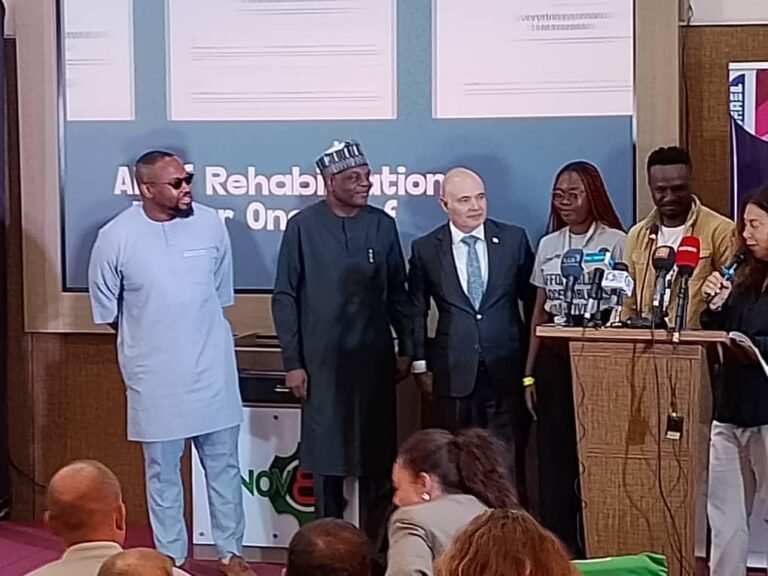
The Enugu Medium Security Custodial Centre is demonstrating a transformative approach to inmate rehabilitation, with over 200 prisoners actively pursuing university degrees, including masters and doctorates, through the National Open University of Nigeria. This initiative, a core priority under the current Nigerian Correctional Service leadership, shifts the focus from mere incarceration to impactful, education-driven reformation, equipping inmates with formal qualifications and vocational skills. The program’s scale within a facility of 3,000 inmates highlights a significant institutional commitment toContinue Reading

Share

The alumni association of Iworo-Ajido Model College has publicly decried the school’s severe infrastructural decay, revealing a critical failure in Lagos State’s “model school” initiative. Despite its designation a decade ago, the college lacks the promised prototype building and now suffers from leaking roofs, non-functional laboratories, and a shortage of desks, forcing many students to sit on the floor or on cloths brought from home. This neglect directly undermines the educational prospects of over 1,000 students fromContinue Reading

Share

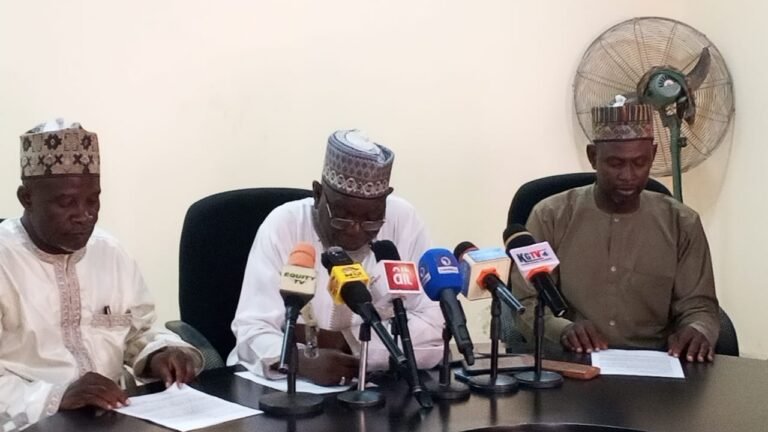
Katsina State, in partnership with UNICEF, has launched a comprehensive census of its traditional Almajiri and Islamiyya schools to transform this culturally significant education system through data-driven policy. This initiative aims to address the system’s vulnerabilities to modernization by collecting detailed information on enrollment, infrastructure, and livelihoods to guide targeted reforms. The state government emphasizes that the goal is not to dismantle the heritage but to strengthen it, ensuring social justice and child protection within a framework of inclusive development. Ultimately, thisContinue Reading

Share

The Federal College of Education (FCE) Yola has received independent accreditation from the NUC to run its own degree programs, marking a significant institutional upgrade from its previous affiliated status with the University of Maiduguri. For the 2026/2027 academic year, it will directly admit students into 14 of its 38 approved degree courses, a move that enhances educational access and institutional prestige in the region. Prospective students must apply exclusively through the JAMB portal for these specific programs, withContinue Reading

Share

A UNILAG medical alumni cohort demonstrates that sustained, organized alumni engagement is a critical pillar for institutional resilience, directly countering funding gaps and accreditation challenges through tangible projects like infrastructure and solar power. Their 40th anniversary reunion transcended celebration, strategically pivoting to address Nigeria’s healthcare crisis by committing to enhanced mentorship and retention efforts to combat the debilitating “japa” brain drain syndrome. This model highlights that diaspora alumni networks are not just donors but essential partners in preserving educational quality and national healthcare capacityContinue Reading

Share

Nigeria’s Tertiary Education Trust Fund (TETFund) credits the Tinubu administration with unprecedented speed in approving its funding, enabling advanced planning for 2026 interventions. While this financial support is acknowledged as critical to preventing institutional collapse, university leaders highlight a pressing need to expand TETFund’s mandate to address severe infrastructural deficits in security, power, and connectivity. The retreat underscores a strategic shift towards ensuring efficient implementation of these funds, recognizing that financial support alone is insufficient without tackling the broaderContinue Reading

Share

A leading Islamic scholar argues that government-supported Quranic education is a strategic national investment for cultivating morally upright, patriotic citizens who can counteract Nigeria’s pervasive social vices and corruption. The core proposition is that deep religious and moral instruction, as exemplified by graduates who demonstrate exceptional integrity, directly builds the character needed to combat tribalism, terrorism, and criminality. This approach positions ethical formation, not just academic learning, as essential to national security and progress. The call is for policymakers to formally enable such characterContinue Reading

Share

A critical gap in Nigeria’s national school security strategy is the failure of most state governments to establish local command centers, severely hampering real-time surveillance and coordinated emergency responses to threats. The federal NSSRCC reports that without these decentralized state-level hubs, proactive monitoring and interception of attackers are significantly weakened, despite the center’s own successful thwarting of dozens of past attacks. The solution hinges on states operationalizing these centers to enable seamless integration with national security agencies for immediate intervention. Ultimately, the safetyContinue Reading

Share

The Aliko Dangote Foundation has launched a landmark N100 billion annual scholarship initiative, projected to invest N1 trillion over a decade to expand educational access across Nigeria. Vice-President Shettima framed this as a critical national imperative, arguing that an uneducated youth population is a demographic threat, while an educated one is a global asset. The initiative serves as a powerful call to action for the private sector, positioning corporate investment in education not as charity but as essential stakeholder responsibility for national survival. ThisContinue Reading