By Sam Israel
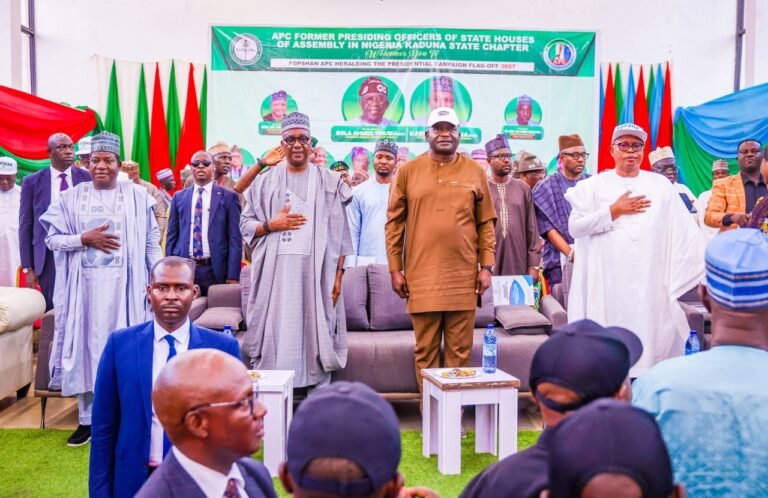
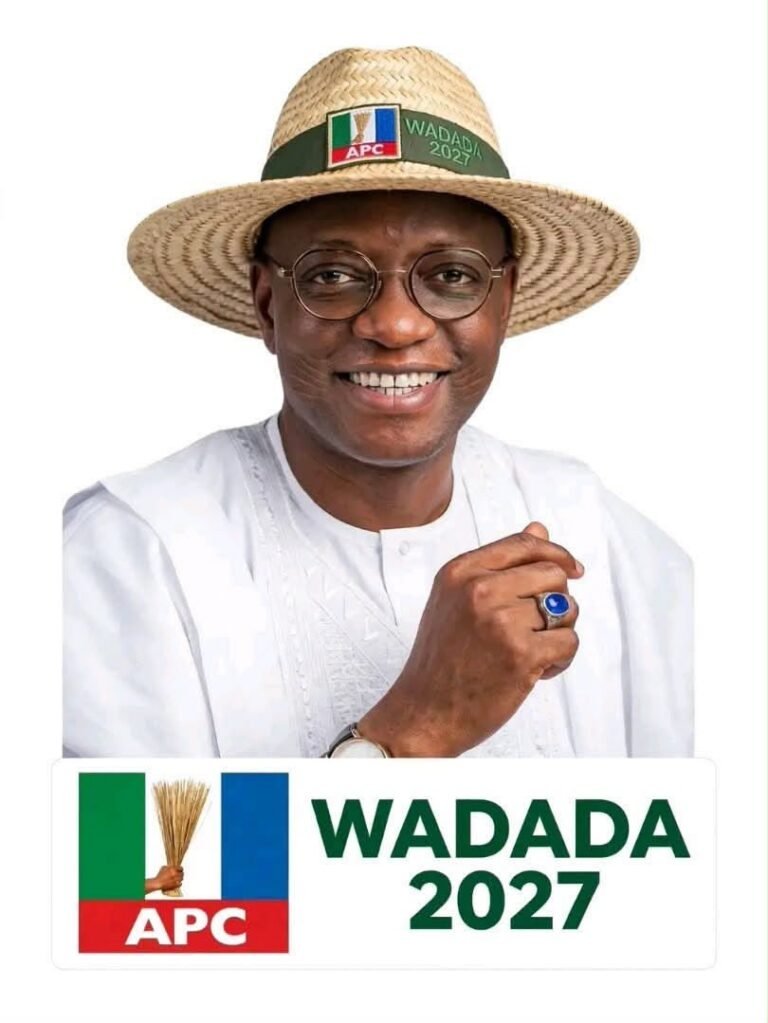
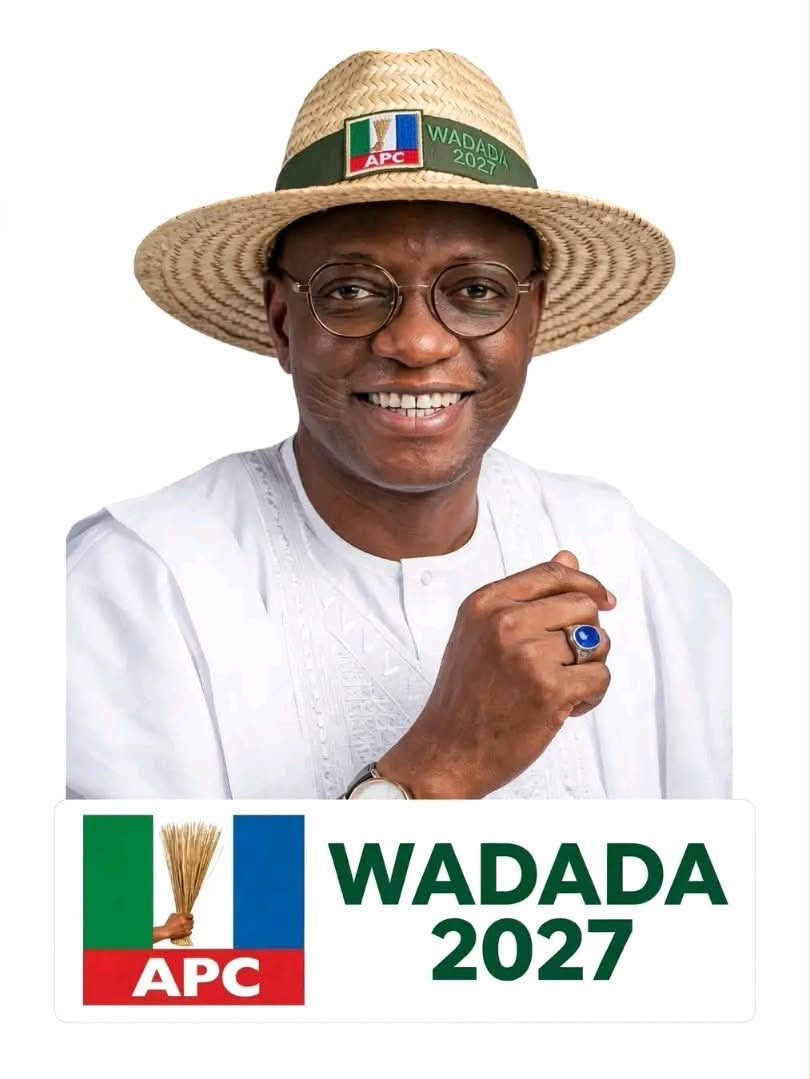
Kaduna, the historic political nerve centre of Northern Nigeria, is poised to command national attention as the All Progressives Congress (APC) prepares for a major presidential campaign rally in support of the re-election bid of President Bola Ahmed Tinubu. With political leaders, governors, party stakeholders and supporters converging on the ancient city, the gathering presents an opportunity to consolidate the party’s northern political machinery, showcase its achievements and strengthen its prospects ahead of the 2027 general elections. For Nasarawa State, however, the significance of the occasion extends beyond presidential politics. It also provides a strategic platform for Senator Ahmed Wadada Aliyu, the APC governorship candidate, to reinforce his political standing and demonstrate his relevance within the party’s broader national calculations.
At the forefront of the Nasarawa State delegation is Governor Abdullahi Sule, whose leadership of the state contingent reflects the importance of coordinated political engagement at a defining moment for the APC. Working alongside him is Senator Ahmed Wadada Aliyu, a prominent political figure whose governorship ambition has become central to the party’s preparations for the 2027 Nasarawa State election. Their presence in Kaduna presents an opportunity to strengthen relationships, deepen consultations and demonstrate that Nasarawa remains an active participant in the political decisions shaping the future of the APC in Northern Nigeria.
For Wadada, this is much more than attendance at a presidential campaign rally. It is an opportunity to project the character of a governorship candidate who understands the connection between state development and effective engagement with the federal government. In contemporary Nigerian politics, a governor’s ability to attract investment, secure federal cooperation and build relationships across political institutions can significantly influence the pace of development. A candidate who appreciates these realities must be prepared to build bridges beyond his immediate political constituency.
Senator Wadada Aliyu’s presence beside Governor Sule at such a major political gathering therefore offers an opportunity to communicate an important message: Nasarawa State’s political future should be built on continuity of development, effective representation, accountability and strategic partnership with the federal government. His ambition is not simply about occupying the Government House in Lafia; it is about translating political leadership into practical benefits for the people of Nasarawa State.
Tinubu’s Northern Campaign and the Politics of Performance
The anticipated presence of President Bola Ahmed Tinubu gives the Kaduna gathering national significance. Presidential campaigns provide political parties with opportunities to communicate their programmes, defend their records and present their vision for the country’s future. According to the campaign preparations described by presidential spokesman Sunday Dare, the president is expected to highlight his administration’s achievements in Northern Nigeria and other parts of the country.
For the APC, the challenge is to ensure that these presentations speak directly to the everyday concerns of citizens. Northern communities are looking for improvements in security, agriculture, transportation, electricity, education, employment and the cost of living. Consequently, the strength of the presidential campaign will depend not only on the number of political leaders and supporters in attendance but also on the credibility of the administration’s message and its ability to demonstrate measurable progress.
The North occupies a strategic position in Nigeria’s political and economic development. Its agricultural potential, youthful population, mineral resources, commercial networks and expansive landmass make it indispensable to national prosperity. Any presidential programme that places meaningful emphasis on these assets, while addressing insecurity and infrastructure deficits, has the potential to strengthen confidence in the federal government.
For Northern governors and political leaders, the rally provides an opportunity to engage the president on the practical needs of their respective states. Such engagement should extend beyond campaign speeches to discussions about federal roads, power supply, irrigation, agricultural processing, industrial development, educational opportunities and security cooperation. The real measure of a successful political gathering will be the extent to which its promises translate into policies, projects and tangible improvements in people’s lives.
Why Nasarawa Must Make Its Presence Count
Among the states attending the Kaduna campaign, Nasarawa has a particularly important opportunity to advance its development interests. Its proximity to the Federal Capital Territory, agricultural resources, mineral deposits and growing urban centres position it to benefit from stronger federal-state cooperation. The state also has the potential to attract investment in manufacturing, logistics, housing, agro-processing and services as economic activities expand around Abuja and neighbouring communities.
Governor Abdullahi Sule’s participation offers a platform to sustain conversations about projects capable of accelerating this development. At the same time, Wadada’s presence creates an opportunity for him to build relationships with federal political leaders and articulate a forward-looking vision for Nasarawa. If these engagements are followed by purposeful advocacy and sustained institutional cooperation, the state could strengthen its prospects of attracting additional attention to its infrastructure, electricity and economic priorities.
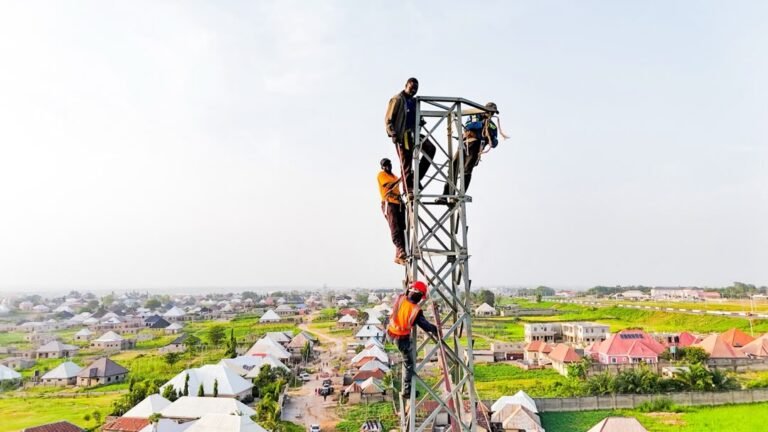
One issue of particular importance is electricity. Reliable power is fundamental to industrial growth, commercial activity, small businesses, educational institutions and healthcare delivery. For communities and businesses across the Keffi–Karu–Akwanga axis and other parts of Nasarawa, improved electricity supply could reduce operating costs, support employment and encourage investment. The state’s political leadership should therefore use every appropriate engagement with the federal government to advocate for more reliable power infrastructure and timely restoration of disrupted services where applicable.
Transportation is another area in which Nasarawa stands to gain. Better federal and state road networks would improve access to markets, reduce travel difficulties, facilitate agricultural distribution and strengthen the connection between rural communities and urban centres. The development of strategic corridors linking Nasarawa with Abuja and neighbouring states could also reinforce the state’s attractiveness to investors. The Kaduna campaign should therefore be viewed as one of several opportunities for Nasarawa’s leaders to sustain advocacy for projects that directly improve the lives of residents.
Agriculture presents an equally compelling opportunity. Nasarawa’s farmers require better access to modern farming methods, irrigation, storage facilities, processing centres, affordable inputs and reliable markets. With appropriate federal support and private-sector participation, agricultural production could become a stronger driver of employment and household prosperity. A future administration led by Wadada would have an opportunity to build on existing state initiatives while developing practical partnerships that connect farmers to financing, technology and commercial value chains.
Wadada and the Opportunity to Connect Federal Policy with State Development
Senator Ahmed Wadada Aliyu’s political advantage will ultimately depend on his ability to turn national political relationships into a credible development agenda for Nasarawa. His participation in the Kaduna rally provides an opportunity to reinforce the case for a leadership approach that combines political coordination with measurable results.
The central question for Nasarawa voters is not merely whether their prospective governor enjoys access to national political leaders. It is whether that access can be translated into improved roads, stronger electricity infrastructure, better schools, more functional healthcare facilities, agricultural investment, youth employment and greater security. These are the practical issues against which political promises should be assessed.
Wadada can use the occasion to reinforce the development priorities associated with his proposed HEARTS agenda, particularly health, education, agriculture, rural development, transportation and infrastructure, alongside security and accountable governance. These priorities, if translated into a properly costed and transparent programme, could provide a framework for connecting federal opportunities with the aspirations of communities across Nasarawa’s 13 local government areas.
Such an approach would also offer an opportunity to address the longstanding development gap between urban centres and rural communities. Residents of remote settlements deserve access to quality education, healthcare, safe roads, clean water, economic opportunities and responsive public institutions. A governorship vision that gives rural transformation a central place would speak directly to the needs of farmers, traders, young people, women and vulnerable households.
Equally important is the question of governance. Nasarawa’s future requires effective public spending, transparent project implementation, competent institutions and accountability to the electorate. Federal support can create opportunities, but the responsibility for ensuring that resources produce public benefits rests substantially with the institutions entrusted with their delivery. Wadada’s political message will be stronger if it places these governance principles at the centre of his campaign.
The Expected Gains for the North and Nasarawa State
The Kaduna presidential campaign could generate several important outcomes if the political engagement is followed by concrete action.
First, it could strengthen coordination between the presidency, Northern governors and APC stakeholders, creating a more effective channel for communicating regional development priorities.
Second, it could provide an opportunity for renewed attention to security challenges, including the protection of rural communities, farmers, travellers and commercial activities. For Northern states, improved security is essential to restoring livelihoods, expanding agricultural production and encouraging investment.
Third, the gathering could reinforce advocacy for infrastructure projects, including roads, electricity, irrigation systems and transport links. Nasarawa, given its proximity to Abuja and its growing economic importance, has a strong interest in sustained federal attention to these areas.
Fourth, it could encourage greater investment in agriculture, solid minerals, small businesses and youth skills development. Such investment would help create employment opportunities and reduce the economic pressures facing families across the region.
Fifth, the campaign could strengthen the political visibility of Nasarawa’s leadership within the national APC structure. For Wadada, the occasion presents an opportunity to demonstrate political maturity, build constructive relationships and communicate his readiness to engage with the federal government on the state’s development needs.
These are potential gains rather than automatic outcomes. Their realisation will depend on the quality of the discussions, the commitments secured, the policies subsequently adopted and the determination of relevant authorities to implement them.
Beyond the Rally: The Test of Leadership
The history of Nigerian politics demonstrates that large rallies can generate excitement, reinforce party identity and energise supporters. Yet the true value of such events is determined by what follows after the crowds disperse. Political leaders must transform campaign commitments into practical programmes, clear timelines and measurable results.
For President Tinubu, the challenge is to ensure that his campaign message addresses the concerns of Northern Nigerians with credible evidence of progress and a convincing plan for the future. For Governor Abdullahi Sule, the opportunity is to sustain federal engagement on the priorities of Nasarawa State. For Senator Ahmed Wadada Aliyu, it is to demonstrate that his governorship ambition is anchored in a practical understanding of the state’s development challenges and the partnerships needed to address them.
Nasarawa’s residents will reasonably expect any future administration to prioritise the needs of ordinary people, irrespective of political affiliation, ethnicity, religion or location. Political participation should strengthen democratic competition while ensuring that public institutions remain committed to service delivery and equal opportunity.
The Kaduna campaign also offers the APC an opportunity to demonstrate that national political cooperation can accommodate the distinct development needs of individual states. A successful national political movement must do more than mobilise supporters; it must create a framework through which the concerns of farmers, workers, traders, students, entrepreneurs and rural communities can influence public policy.
Conclusion: An Opportunity to Build, Not Merely to Celebrate
As Kaduna prepares to host the APC’s presidential campaign, Nasarawa State has an opportunity to make its presence count. Governor Abdullahi Sule’s leadership of the state contingent, alongside Senator Ahmed Wadada Aliyu and other prominent party figures, provides a platform for strengthening political engagement and advancing conversations about the state’s future.
For Wadada, the campaign represents an opportunity to demonstrate that his vision for Nasarawa extends beyond electoral calculations. It is an opportunity to communicate a development agenda built around human capital, infrastructure, agriculture, rural transformation, security, economic opportunity and accountable governance. His ability to turn that agenda into credible commitments and, if elected, effective public policy will be central to the judgement voters make about his candidacy.
The greatest achievement of the Kaduna gathering would not simply be an impressive turnout, powerful speeches or the presence of political heavyweights. It would be a renewed commitment to the development of Northern Nigeria, backed by practical measures that improve security, expand economic opportunity and strengthen public services.
For Nasarawa, the desired outcome is clear: stronger federal-state cooperation, sustained attention to infrastructure and electricity, greater investment in agriculture and enterprise, and improved opportunities for the people. For Wadada, the opportunity is to emerge from the engagement with a clearer understanding of the partnerships and policies required to turn his governorship vision into results.
Ultimately, the Kaduna campaign should be more than a political spectacle. It should be a platform for connecting national leadership with local aspirations, party mobilisation with public accountability, and electoral ambition with the promise of development. If those objectives are pursued with seriousness and sustained commitment, Nasarawa State could be better positioned to advance its interests as it approaches the 2027 governorship election.
Israel JP is the Senior Special Assistant SSA on media to Senator Wadada
About the Author