By Sam Israel
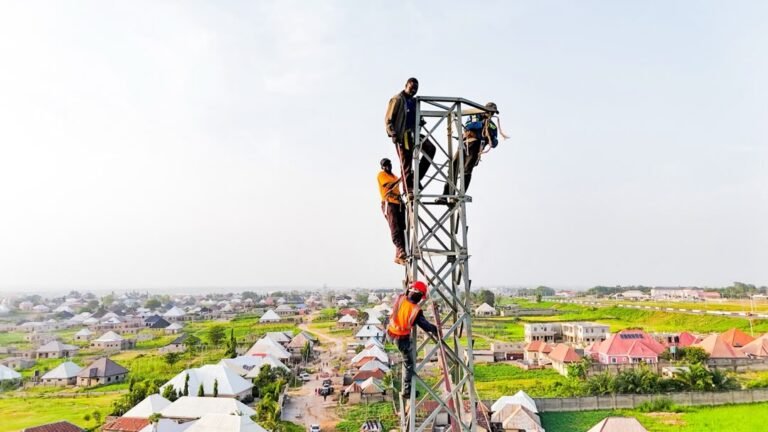
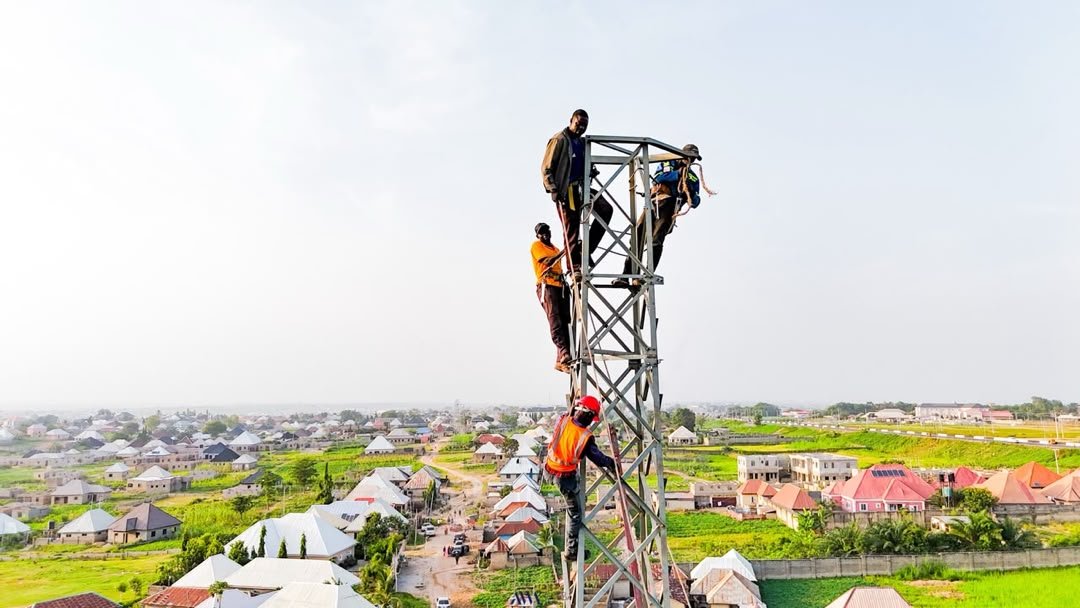
In leadership, the true measure of a public officeholder is not merely the number of speeches delivered, political gatherings attended or promises made during election campaigns. It is the willingness to identify with the people in their moments of difficulty, engage the relevant authorities, seek practical solutions and demonstrate the determination to ensure that their concerns receive the attention they deserve. This is the leadership test that Senator Ahmed Wadada Aliyu has confronted through his intervention over the prolonged disruption of electricity supply affecting communities along the Karu, Keffi and Akwanga axis following a devastating windstorm that destroyed an electricity transmission tower at Aso Kodape in Karu Local Government Area of Nasarawa State.
Wadada’s intervention deserves attention because electricity is no longer a luxury in modern society. It is essential to household comfort, commercial activities, healthcare delivery, education, communication and the overall productivity of communities. When electricity disappears for an extended period, the consequences reach far beyond darkness in residential buildings. Small businesses struggle, artisans lose productive hours, students face difficulties with their studies, and families are forced to adjust their daily routines to circumstances beyond their control. It is against this background that the senator’s engagement with the relevant authorities assumes considerable public significance.
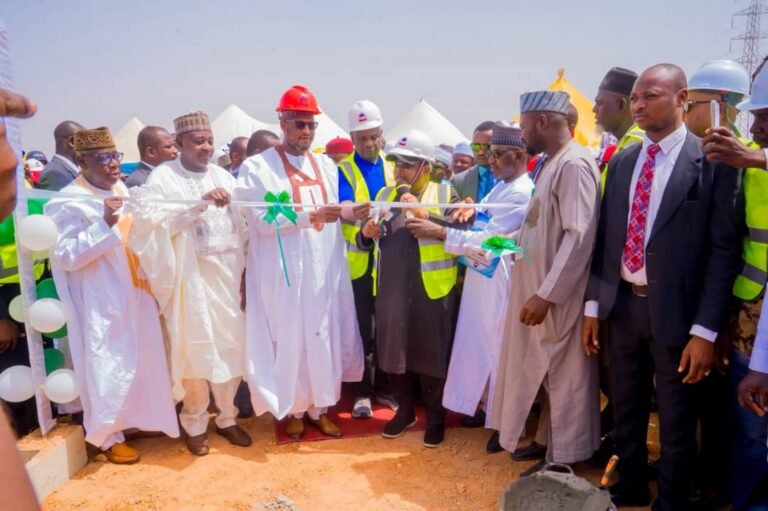
Rather than remain distant from the situation, Senator Wadada undertook a working visit to the Minister of Power in Abuja to discuss the electricity challenges confronting the affected communities. He subsequently visited Aso Kodape to assess the situation on the ground and observe the ongoing restoration work, including the replacement of damaged high-tension cables. These engagements demonstrate an important principle of representative leadership: when a problem affects the people, their representative should be prepared to seek answers from the appropriate institutions and follow developments beyond the confines of an office.
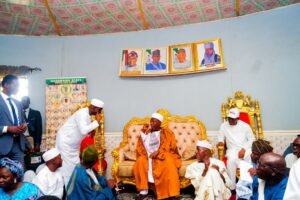
At the palace of the Esu of Aso Kodape, His Royal Highness Joseph Sabo, the senator had the opportunity to identify with the traditional institution and the affected community over the unfortunate incident. Such a visit carries significance beyond its ceremonial appearance. Traditional rulers remain important partners in community development because they understand the needs, concerns and aspirations of their people. By engaging the royal institution and assessing the damage, Wadada reinforced the importance of cooperation between elected representatives, traditional authorities and government agencies in addressing challenges that affect ordinary citizens.
**The most compelling aspect of this intervention is the senator’s pledge to sustain engagement until the concerns of the affected communities receive the necessary attention and electricity supply is restored.** He has urged residents along the Karu, Keffi and Akwanga axis to exercise patience as restoration efforts continue. The public must, however, distinguish between a commitment to pursue a solution and a guarantee that power will return at a particular time. The actual restoration depends on the completion of technical repairs and the work of the responsible electricity authorities. What Wadada can reasonably be judged on is his willingness to maintain pressure, communicate developments and continue pursuing the matter.
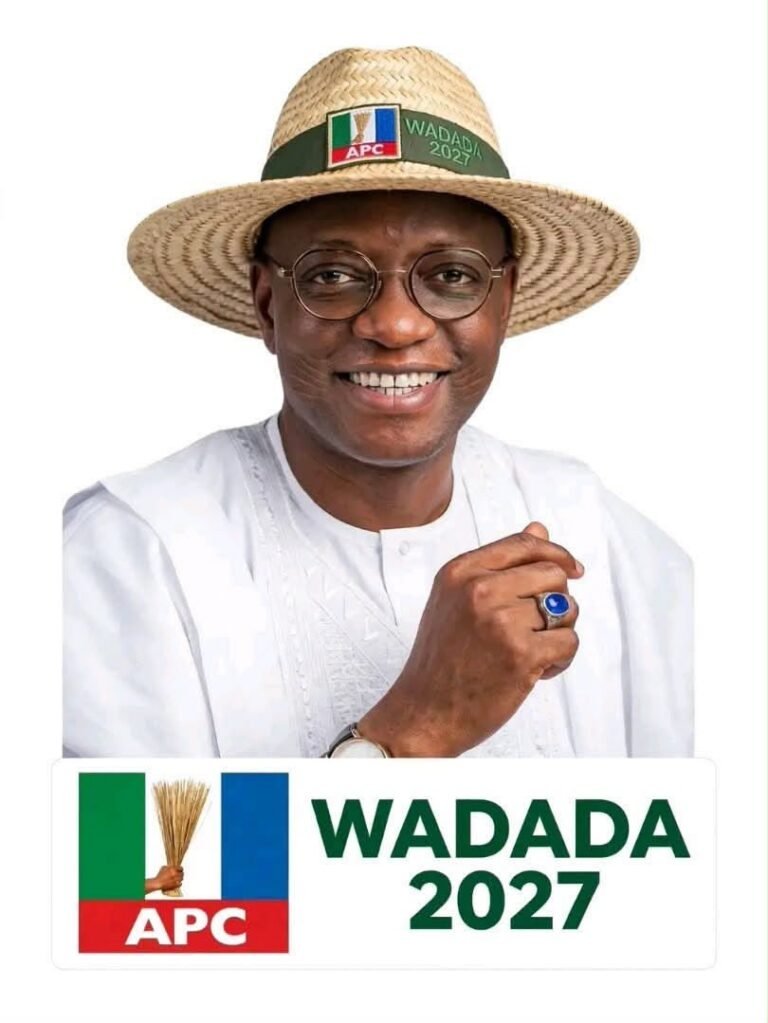
For a politician aspiring to govern Nasarawa State in 2027, this episode presents an opportunity to demonstrate the kind of leadership that connects public office with everyday concerns. The governorship is not simply about occupying the Government House in Lafia. It is about understanding the challenges facing communities, coordinating institutions, setting priorities and ensuring that government responds to the needs of citizens. The electricity crisis in Aso Kodape and surrounding areas illustrates the importance of a leader who appreciates that infrastructure failures have immediate consequences for people’s lives and livelihoods.
Nasarawa State needs leadership that treats rural communities, growing urban centres and developing commercial corridors as integral parts of one state. Karu and Keffi, in particular, are important centres of population, commerce and economic activity, while communities along the wider axis depend on reliable infrastructure to sustain their daily lives. A future administration must therefore give serious attention to electricity infrastructure, road networks, water supply, healthcare, education and the security of residents. Wadada’s present engagement offers a basis on which the public can examine his approach to problem-solving, while expecting him to translate such engagement into a broader and measurable development agenda.
There is also an important lesson in the senator’s decision to visit the affected community personally. Modern governance requires more than receiving reports from aides or relying exclusively on official correspondence. Direct assessment allows a leader to understand the human dimension of a problem, hear the concerns of residents and appreciate the urgency of the situation. Such contact does not automatically resolve an infrastructure failure, but it can help strengthen accountability and ensure that the voices of affected citizens are not lost in bureaucratic processes.
The people of Nasarawa West and the wider state should also recognise that electricity restoration requires collaboration among several institutions. Transmission infrastructure, technical repairs, grid operations and distribution services involve different responsibilities. An effective political leader must understand these institutional boundaries while using the influence of public office to encourage cooperation and timely action. Wadada’s engagement with the Minister of Power and his visit to Aso Kodape place him within that process of advocacy. The important next step is sustained follow-up, transparent communication and confirmation that the repair work has been completed successfully.
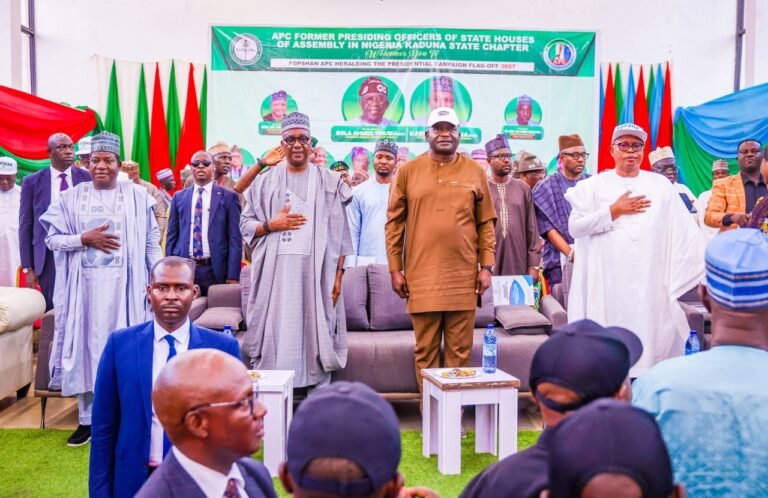
As the 2027 governorship election approaches, voters will have the responsibility of assessing the competing candidates on their records, programmes, integrity, competence and capacity to deliver public services. Wadada’s supporters can reasonably point to his intervention as an example of constituency engagement. They can also challenge him to explain how his proposed administration would strengthen infrastructure planning, improve coordination with federal agencies and respond more effectively when communities experience emergencies. A candidate who can connect immediate interventions with a credible long-term programme will have a stronger case before the electorate.
The senator’s experience also brings into focus the relationship between political representation and public trust. Trust is not built by slogans alone; it grows when citizens see their concerns acknowledged, receive honest information and can evaluate the results of a leader’s efforts. In the case of Aso Kodape, the ultimate measure of success will be the restoration of electricity, the effective repair of damaged infrastructure and the lessons learned to reduce the impact of similar incidents in the future. The affected residents deserve not only assurances but also a clear account of progress and a return to dependable service.
For the 2027 governorship contest, therefore, the message is clear: Nasarawa State needs a governor who understands that development begins with the everyday needs of the people. The ability to engage ministers, work with technical authorities, listen to traditional institutions and maintain attention on a community’s problem is relevant to the wider responsibilities of state leadership. Wadada’s intervention gives his supporters an example to present to the electorate, while placing a corresponding responsibility on him to sustain that commitment and demonstrate measurable results.
Ultimately, the people of Karu, Keffi, Akwanga and other affected communities are entitled to reliable electricity and responsive public service, irrespective of political affiliation. Their patience must not be taken for granted, and their hardship must not become merely a campaign talking point. As restoration work continues, Wadada should keep the public informed, maintain engagement with the responsible authorities and ensure that the concerns raised during his visit remain a priority until the matter is resolved.
**The road to the Nasarawa State Government House in 2027 will be shaped by the choices voters make about leadership, competence and accountability.** Senator Ahmed Wadada Aliyu has an opportunity to build on this intervention by demonstrating that his commitment to the people extends beyond a single visit or an isolated electricity crisis. If sustained engagement is matched by tangible outcomes, credible policies and a practical vision for the state’s development, he will give voters substantive reasons to consider his candidacy.
In the final analysis, the people of Nasarawa State deserve leadership that does not wait for election season before paying attention to their problems. They deserve leaders who listen when communities raise concerns, engage the institutions responsible for solutions and remain accountable for the results. That is the standard against which Wadada’s intervention should be judged—and the standard every candidate seeking the mandate of the people in 2027 must be prepared to meet.
In God We Trust
Israel JP is the Senior Special Assistant on media to Senator Wadada
About the Author