A policy brief by an NGO in Bauchi State, Thamani for Women and Youth Initiative, has revealed that women and girls have continue to experience domestic violence, sexual violence, forced marriage, and economic abuse while many of the survivors remain silent because of fear, stigma, and social pressure.
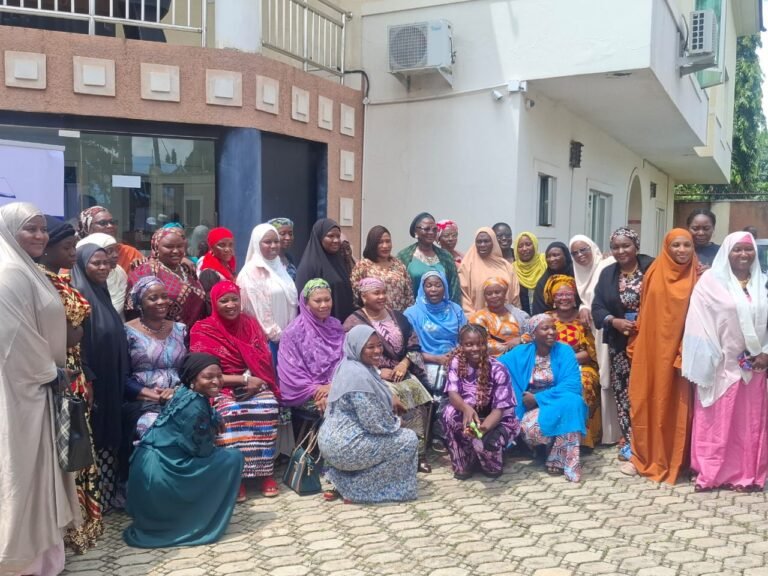
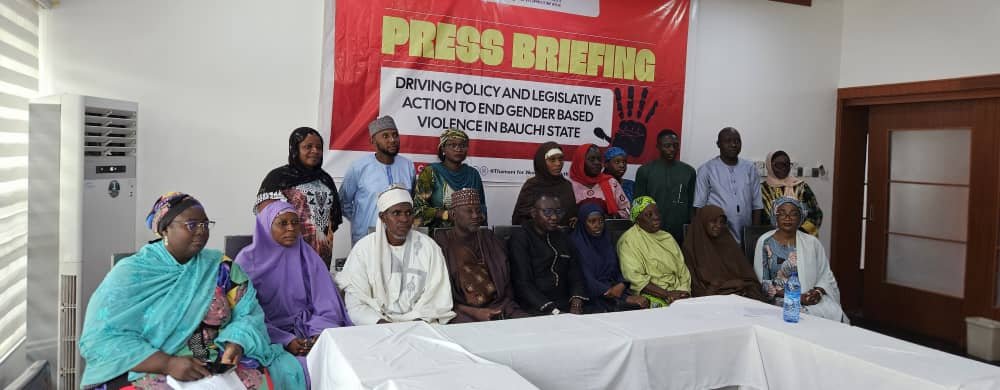
The assertion was made as part of the outcome of the Policy roundtable organized by a NGO, Thamani for Women and Youth Initiative, held on Thursday with the theme: “From Community Voices to Legislative Action: Strengthening Gender-Based Violence Prevention and Response in Bauchi State.”
The NGO therefore called on Bauchi State Government and the State House of Assembly to work together in order to strengthen the legal and institutional framework for preventing and responding to gender based violence (GBV), across the State.
The NGO urged the two arms of government to carefully consider the recommendations contained in the policy brief and take appropriate action without further delay.
Reading the text of the briefing, on behalf of Thamani for Women and Youth Development Initiative (THAMANI), Nicholas Oshojah Afeso, Programme Coordinator,
appreciated the presence and continued commitment of the participants to bringing issues of public interest to the forefront.
According to him, “Today marks an important milestone in our collective effort to address Gender-Based Violence (GBV) in Bauchi State. Through the #HerVoice Project, supported by Urgent Action Fund–Africa (UAF-Africa), we convened a policy roundtable titled “From Community Voices to Legislative Action: Strengthening Gender-Based Violence Prevention and Response in Bauchi State.”
He explained that, “This dialogue was informed by months of community engagement with women leaders, community members, service providers, and other stakeholders in Dass Local Government Area.”
“The result is a policy brief that presents evidence-based recommendations to strengthen GBV prevention and response across Bauchi State,” he added.
Nicholas Oshojah Afeso, stressed that, “One message emerged clearly from both our community consultations and today’s discussions: Gender-Based Violence is not a private family matter, it is a public health concern, a development challenge, and a barrier to justice and inclusive growth.”
He added that,”Our policy brief shows that women and girls continue to experience domestic violence, sexual violence, forced marriage, and economic abuse.
Many survivors remain silent because of fear, stigma, and social pressure.”
He lamented that, “Those who seek help often encounter delays in accessing healthcare, justice, and psychosocial support due to weak referral systems and limited institutional capacity. These challenges continue to undermine community well-being and place additional burdens on our health and social protection systems.”
The Programme Coordinator further said that,”The findings also demonstrate that GBV has consequences far beyond individual survivors. It contributes to poor maternal and reproductive health outcomes, increases vulnerability to infectious diseases, affects children’s education and family stability, weakens livelihoods, and slows community development.”
He said that,”When women and girls cannot live free from violence, communities cannot achieve their full social and economic potential.”
According to him, “During today’s policy roundtable, stakeholders reached broad consensus on several priority actions. First, Bauchi State must strengthen survivor-centred response systems by ensuring that survivors have timely access to healthcare, legal services, psychosocial support, and protection through coordinated referral mechanisms.”
“Second, there is an urgent need to strengthen primary healthcare and health extension services by training frontline health workers to identify, support, and appropriately refer survivors of GBV, particularly in underserved communities,” he added.
Also, “Third, community structures must be empowered. Women leaders, traditional and religious institutions, Fathers’ Forums, and civil society organizations all have vital roles to play in preventing violence, challenging harmful social norms, supporting survivors, and encouraging timely reporting.”
Furthermore,”Fourth, stakeholders emphasized the need for stronger legislative and institutional action. This includes improved implementation of existing laws, stronger coordination among government institutions, better data management, sustainable financing for GBV response, and policies that prioritize survivor protection and accountability.”
“We equally call on relevant Ministries, Departments and Agencies to reinforce collaboration, improve service delivery, and ensure that no survivor is denied access to protection or justice because of where they live or the circumstances, they face,” he added.
Nicholas Oshojah Afeso, added, “We urge the Bauchi State Ministry of Education, SUBEB, tertiary institution governing councils, and school administrators to institutionalize Gender-Based Violence prevention through comprehensive safeguarding policies, student awareness programs, functional reporting mechanisms, and the integration of GBV prevention, consent, and respectful relationships into school curricula and co-curricular activities.”
He added that,”Every educational institution should be a safe space where learners can thrive free from violence, intimidation, exploitation, and discrimination.”
He further said, “To our traditional and religious leaders, your influence is indispensable. We encourage you to continue promoting values that uphold the dignity of women and girls, discourage harmful practices, and support peaceful resolution of community challenges without compromising justice for survivors.”
“To civil society organizations and development partners, we encourage continued collaboration in advocacy, service delivery, community education, and accountability. Ending GBV requires sustained partnership and collective responsibility,” he added.
“To the media, we recognize your critical role in shaping public opinion. We urge you to continue reporting Gender-Based Violence accurately, responsibly, and ethically. Help amplify survivor voices, promote awareness of available services, and encourage communities to reject silence and stigma,” he further added.
According to him, “Today’s policy roundtable has shown that meaningful change begins when community voices are heard and translated into practical policy action.”
He added that, “The responsibility now rests with all of us government, legislators, communities, civil society, development partners, the media, and citizens, to ensure that the recommendations emerging from this dialogue lead to concrete reforms and lasting change.”
He stressed that,” Together, we can build a Bauchi State where women and girls live free from violence, where survivors receive the support they deserve, and where communities thrive in peace, dignity, and equality.*
He concluded, “Finally, to every woman, girl, and survivor listening today, we want you to know that your voice matters. You deserve safety, dignity, justice, and access to quality support services. No one should suffer violence in silence.”
About the Author