In a significant display of grassroots support for national infrastructure, youths from Ibeno Local Government Area in Akwa Ibom State have publicly endorsed the Federal Government’s ambitious Lagos-Calabar Coastal Highway project. This local endorsement emerges against a complex backdrop of historical land disputes and highlights the community’s strategic vision for economic transformation.
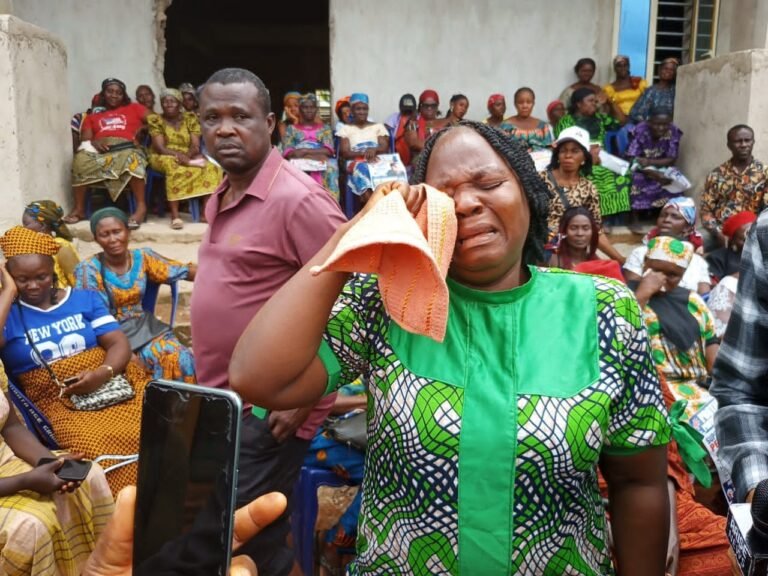
On January 10, 2026, over 100 residents, predominantly dressed in symbolic white attire, staged a peaceful protest march through major streets before converging at the Ibeno Secretariat. The color white, as explained by community leaders, was a deliberate choice to symbolize their commitment to peace—a poignant message given the area’s recent history. The demonstrators carried placards with inscriptions such as ‘Ibeno says yes to the coastal highway,’ ‘Dialogue not dispute,’ and ‘Peace is our strength,’ framing their support within a broader appeal for stability and development.
The rally served a dual purpose: it was both a show of support for a transformative infrastructure project and a strategic political statement. The youths explicitly praised Governor Umo Eno for his “truthful” stance on the highly contentious and oil-rich Stubbs Creek Forest Reserve. This issue is not merely a local boundary dispute; it is a decades-old conflict with deep economic implications. The Nigerian News Agency (NAN) reports that past tensions between Ibeno and the neighboring Eket community over the reserve have previously escalated, resulting in loss of lives and property.
The core of the dispute hinges on a historical legal ruling. Eket has historically claimed ownership, citing a 1918 Privy Council decision. However, the Akwa Ibom State government has clarified that the ruling did not vest ownership in any specific community but rather addressed administrative boundaries. By aligning with the governor’s position, the Ibeno youths are seeking to solidify their community’s claim and leverage state support to secure their economic future.
Addressing the protesters, Ibeno Vice Chairman Ukpong Okon connected local aspirations to national leadership, thanking President Bola Tinubu and Senate President Godswill Akpabio for their roles in advancing the coastal highway. “We appreciate the organised, non-violent protest and the youths’ conduct on the issue,” Okon stated, underscoring the community’s desire to be seen as lawful and investor-friendly partners.
Diamond Akpanika, spokesman for the Ibeno Elders’ Forum, further contextualized the rally as a show of peace and support for the APC-led Federal Government. His statement, “We support the Lagos–Calabar Coastal Highway and want it to pass through our land,” reveals a critical local calculus. For coastal communities like Ibeno, the highway represents far more than a road; it is a potential lifeline—a conduit for tourism, trade, and integration into the national economy that could diversify income beyond the volatile oil sector.
This protest, therefore, transcends a simple news item about a infrastructure project. It is a case study in how local communities navigate complex layers of history, politics, and economics. The Ibeno youths are strategically using their endorsement of a national project to strengthen their hand in a local resource dispute, positioning their community as a zone of peace ready for the development and investment the highway promises to bring. Their white-clad march is a calculated appeal for a future where connectivity resolves conflict and asphalt paves the way for prosperity.
Edited by Kamal Tayo Oropo
SDB/KTO
========
Source link
About the Author