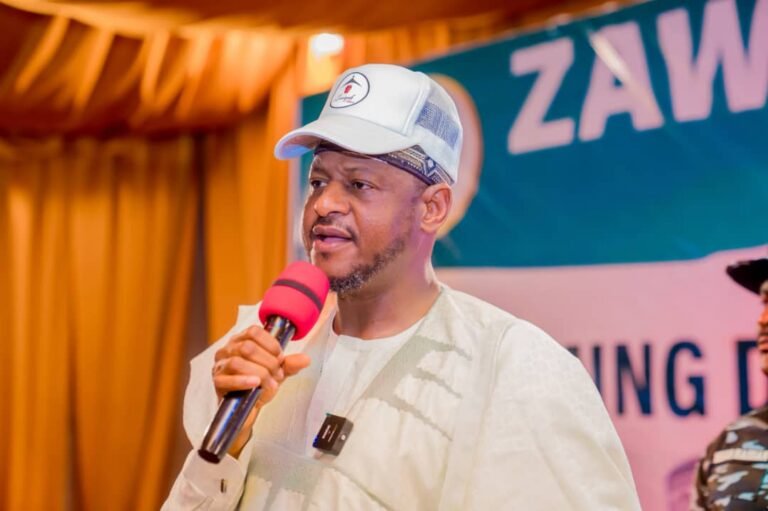
In a stark assessment of Nigeria’s healthcare landscape, Dr. Samuel Nzekwe, a distinguished financial expert and former President of the Association of National Accountants of Nigeria (ANAN), has issued a critical call to action. Speaking in Ota, Ogun State, Nzekwe urged the Federal Government to prioritize a fundamental transformation of the nation’s health sector in 2026. His central thesis is both an economic and a social imperative: to curb the debilitating outflow of resources and talent caused by medical tourism.
The advice is not merely aspirational but a response to a persistent and costly reality. As Nzekwe notes, a significant number of Nigerians continue to bypass local facilities, seeking treatment in the United States, United Kingdom, China, India, and other nations. This exodus represents more than a loss of patient confidence; it constitutes a severe economic hemorrhage.
The Multifaceted Drain of Medical Tourism
Nzekwe’s analysis pinpoints several critical losses for Nigeria:
- Capital Flight: “The country is losing millions of dollars through capital freight to foreign medical treatment,” he states. These funds, spent on hospital bills, travel, and accommodation abroad, are a direct subtraction from the domestic economy.
- Brain Drain Acceleration: The phenomenon is cyclical. As patients leave, top medical professionals often follow, seeking better-equipped facilities and higher remuneration overseas, further depleting local expertise.
- Foreign Exchange Pressure: The demand for dollars to pay for overseas treatment exacerbates pressure on the national currency, creating wider macroeconomic instability.
The Transformative Potential of a World-Class Health Sector
Nzekwe’s vision extends beyond stemming losses to capturing new value. A robust, transformed health sector, he argues, could become a powerful engine for national development:
- Job Creation: Building and staffing advanced hospitals, diagnostic centers, and research facilities would generate significant employment for doctors, nurses, technicians, and support staff.
- Reverse Medical Tourism: By achieving “world-class” status, Nigeria could begin to attract patients from neighboring West and Central African countries, turning a cost center into a revenue generator.
- Economic Stabilization: Retaining healthcare spending domestically would conserve foreign exchange and stimulate local industries linked to the health sector.
A Practical Blueprint for Change
Moving from diagnosis to prescription, Dr. Nzekwe outlines concrete steps for the government:
- Create an Enabling Environment: This is foundational. It means ensuring health personnel have the infrastructure, equipment, administrative support, and professional autonomy to practice effectively. Reducing bureaucratic hurdles and providing continuous professional development are key to retaining talent and slowing the brain drain.
- Strategic Funding and Investment: Advocacy for “more fund allocation” must be targeted. Funds should prioritize:
– Infrastructure: Establishing specialized tertiary care centers and upgrading primary healthcare facilities across the nation.
– Technology: Investing in modern diagnostic and treatment equipment.
– Public-Private Partnerships (PPPs): Leveraging private sector capital and efficiency to build and manage facilities, as seen in successful models elsewhere. - Focus on Specialized Care: A strategic approach would involve identifying the specialties most sought abroad—such as oncology, cardiology, orthopedics, and advanced diagnostics—and developing centers of excellence in those areas first.
The call from Dr. Nzekwe, coming from a financial perspective, underscores that healthcare reform is not just a social policy but a critical economic strategy. Transforming the health sector by 2026 requires immediate, emphatic, and sustained effort. The payoff would be a stronger, more self-reliant Nigeria—where health is not an export but a cornerstone of national prosperity and stability. (NAN)(www.nannews.ng)
IGE/KLM
=======
Edited by Muhammad Lawal
About the Author