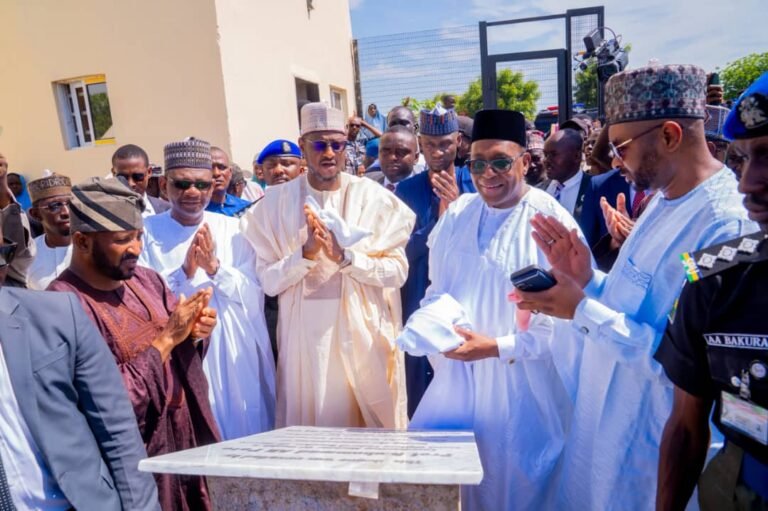
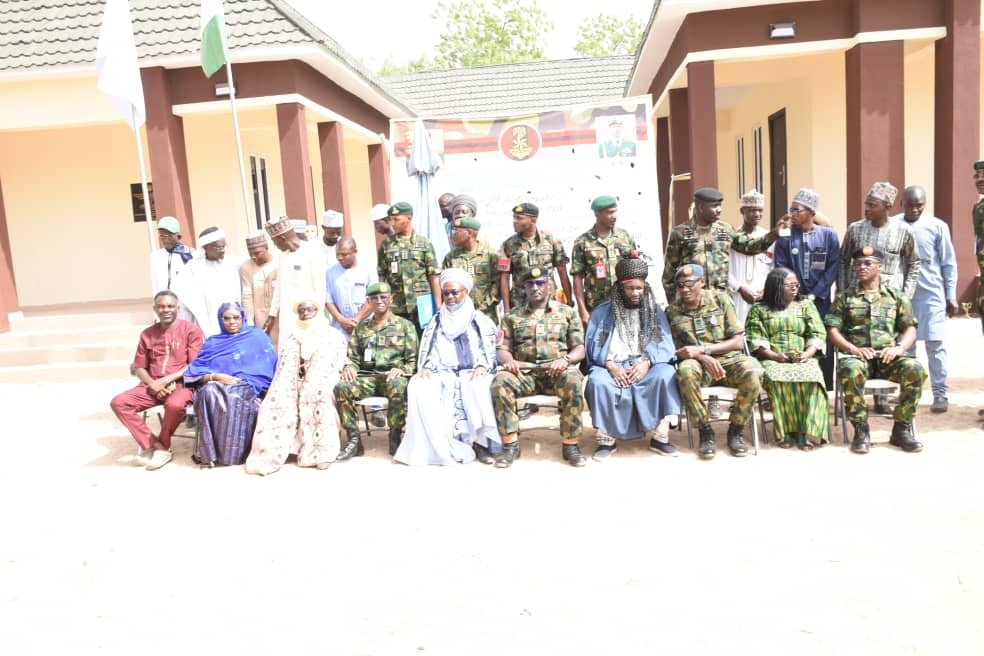
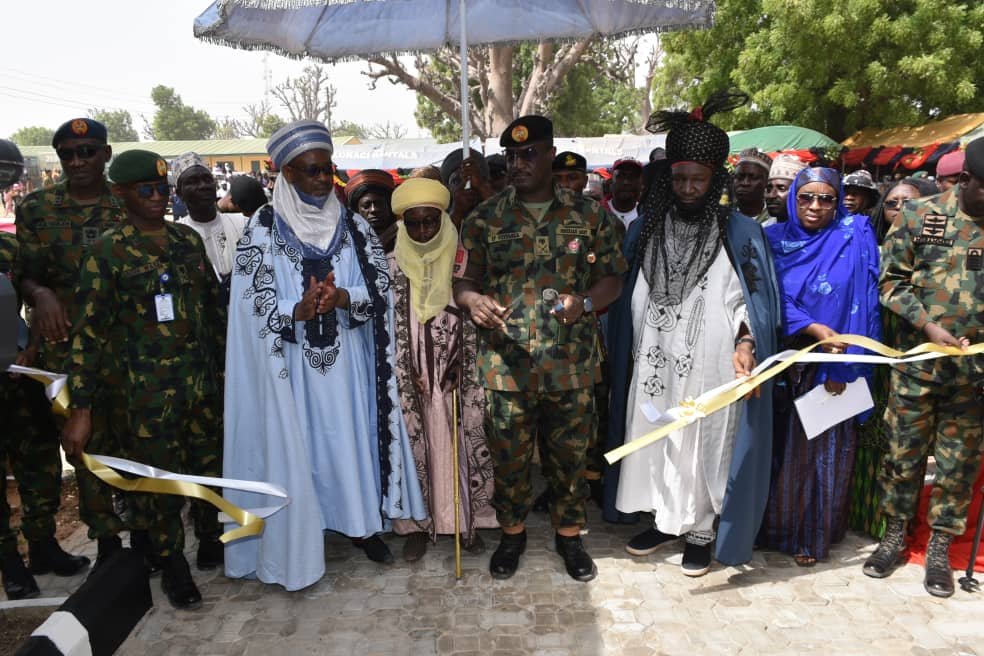
In a significant move that transcends traditional military roles, the Nigerian Army has laid a new cornerstone for community development and future stability in Plateau State. On Saturday, January 10, 2025, the army inaugurated a newly constructed administrative block and a library at Government Secondary School (GSS) Wase, marking a pivotal moment for education and civil-military relations in the region.
The project, executed under the Chief of Army Staff (COAS) Special Intervention Civil-Military Cooperation (CIMIC) program, represents a strategic shift in how security forces engage with the populace. CIMIC initiatives are not mere philanthropy; they are a core component of modern, non-kinetic warfare and peace-building strategies. By addressing critical community needs—like educational infrastructure—the military builds essential trust, counters negative narratives, and fosters a cooperative environment where security threats can be identified and mitigated with public support.
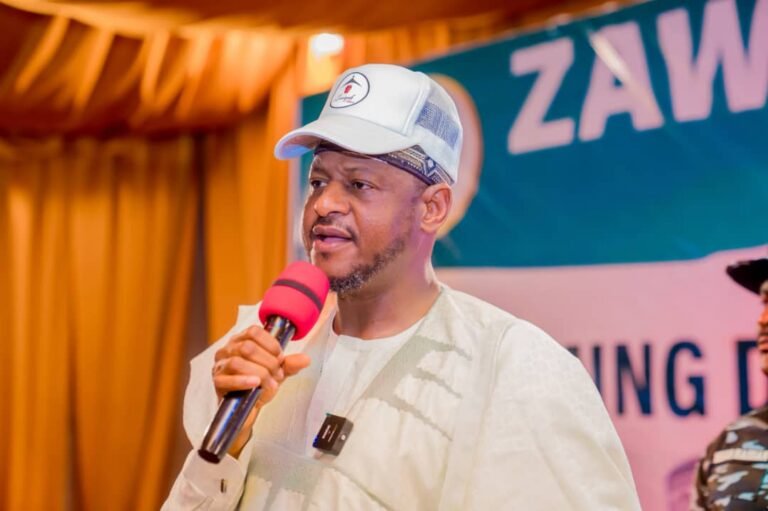
The event, described as “epochal” by attendees, saw a gathering of community leaders, students, and military personnel. It was spearheaded by Major-General Abubakar Wase, the General Officer Commanding (GOC) 1 Division and Commander of Sector 1, Operation Fansan Yamma, who initiated the project out of a stated “passion for the educational development of the youths who are the future leaders.”
In a powerful statement of institutional commitment, the Chief of Army Staff, Lieutenant-General Waidi Shaibu, emphasized the army’s dedication to positive societal contribution. Represented by Major-General Folusho Oyinlola, GOC of 3 Division, the COAS framed the initiative within a broader national context: “Tackling the challenges confronting the nation required sustained collaboration between the military and the civil populace.” This underscores a recognition that long-term security is inseparable from social development and community buy-in.
The newly unveiled facilities are more than just buildings. The administrative block will streamline school operations, allowing educators to focus more on pedagogy and less on logistical hurdles. The library, however, is a gateway to opportunity. In an area where access to books and quiet study space can be limited, it provides the tools for academic excellence and intellectual curiosity. General Wase’s charge to the students to “remain focused and strive for excellence” is now backed by a tangible resource.
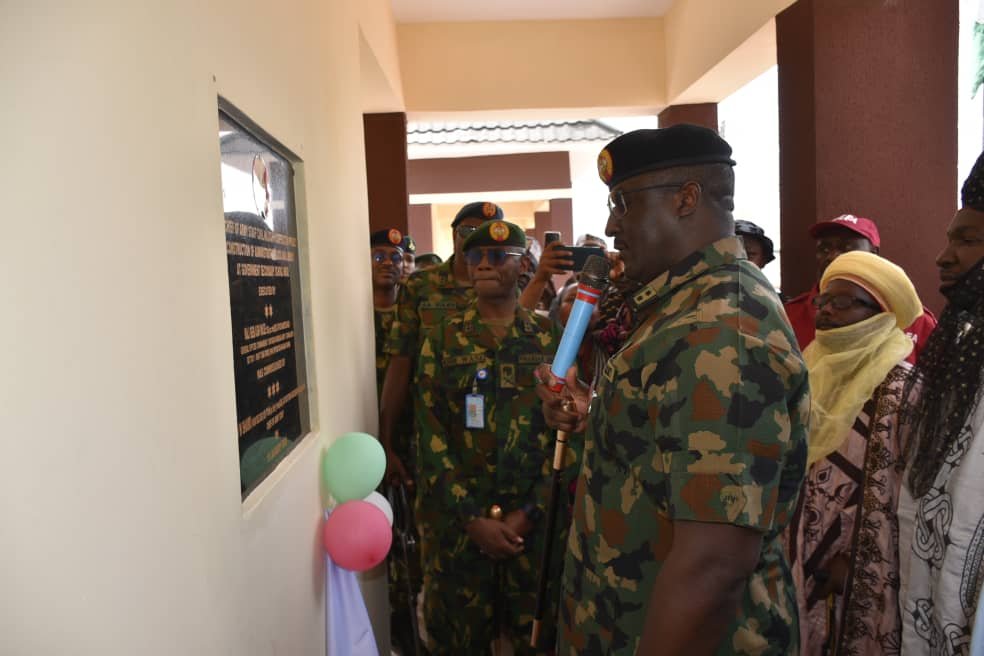
The school’s principal, Malam Musa Ajiya, expressed profound gratitude, highlighting the dual impact of the army’s work: “contributions to national security enhancement and educational development.” His pledge to ensure proper maintenance is crucial for sustainability, a common challenge for donated infrastructure. His call for others to emulate the gesture points to a desired ripple effect, where this army-led project inspires further community investment.
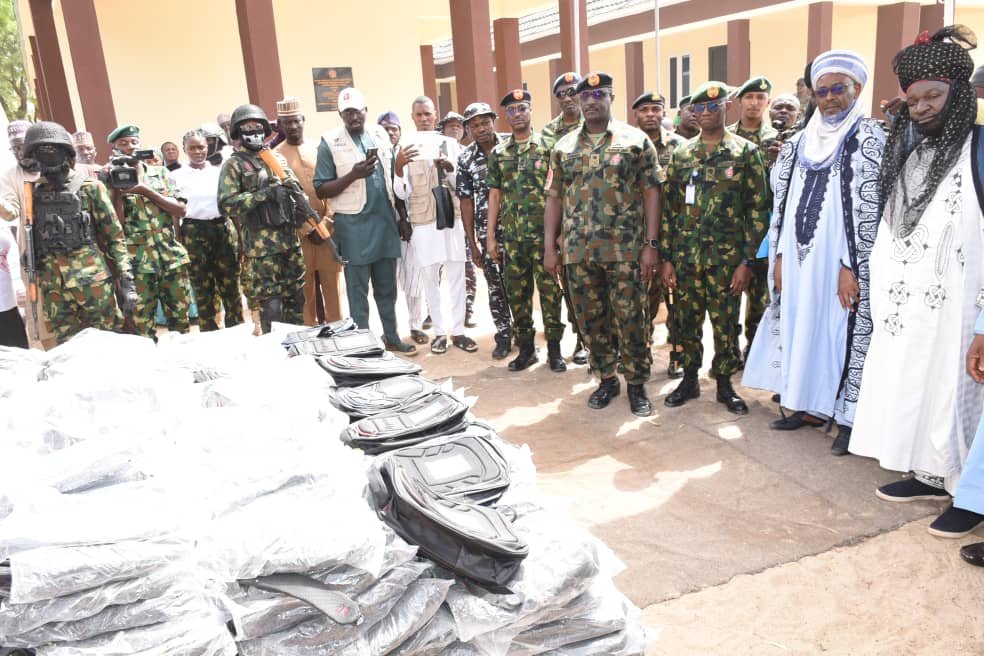
The inauguration’s highlights—the unveiling, inspection, and presentation of teaching aids to four districts—symbolize a hands-on partnership. This project in Wase Local Government Area, a region with its own complex history within Plateau State’s landscape, sends a potent message: the Nigerian Army is investing in the peace and prosperity of tomorrow by educating the leaders of today. It is a concrete example of how building schools and libraries can be as strategic for national security as any military maneuver.
About the Author