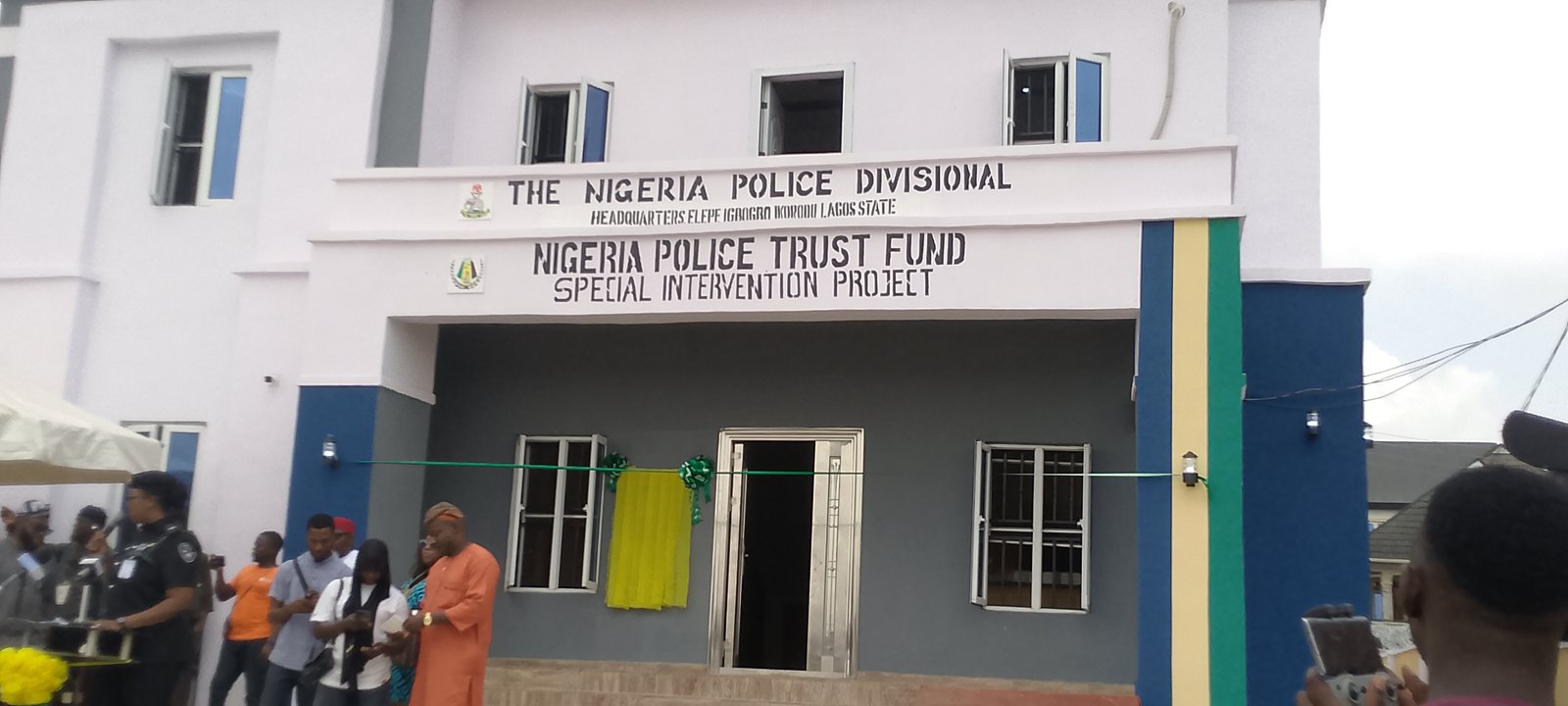
The inauguration of a new police divisional headquarters in Ikorodu, Lagos, represents more than just a new building—it signals a tangible shift in Nigeria’s approach to law enforcement, community relations, and security infrastructure. On December 22, 2025, Inspector-General of Police Kayode Egbetokun officially opened the facility, a project that serves as a critical case study in collaborative security governance.

Beyond Bricks and Mortar: A Strategic Investment in Public Safety
Facilitated by Ikorodu Federal Constituency Representative Babajimi Benson through the Nigeria Police Trust Fund (NPTF), the “ultra-modern” headquarters is a direct response to long-standing critiques of dilapidated police infrastructure. I-G Egbetokun, represented by Deputy Commissioner of Police Dayo Akinbusehin, framed the project not as a mere construction effort but as a “strategic investment in public safety, crime prevention, and community confidence.” This language underscores a modern policing philosophy: that the environment in which officers operate directly impacts their professionalism, morale, and effectiveness. A dignified, well-equipped station is foundational to moving from a reactive, enforcement-heavy model to a proactive, service-oriented one.
The NPTF Model: Closing Critical Gaps Through Targeted Intervention
The project highlights the evolving role of the Nigeria Police Trust Fund. As explained by its Executive Secretary, Alhaji Mohammed Sheidu, the NPTF’s mandate is to close “critical infrastructure gaps” with “functional, modern, and dignifying work environments.” This intervention in Ikorodu demonstrates a practical application of the Fund’s resources, targeting a specific, high-impact need at the grassroots—the divisional level, which is the public’s most frequent point of contact with the police. The success here could provide a blueprint for replicating such public-representative-NPTF partnerships in other constituencies, decentralizing infrastructure development.
“A conducive and well-equipped environment such as this enhances operational efficiency, improves service delivery, and brings policing closer to the people,” stated I-G Egbetokun. This statement connects physical infrastructure to the core goals of community policing. When citizens can approach a clean, accessible, and technologically capable station, the barrier to reporting crimes, sharing intelligence, and building trust is significantly lowered.
Community Ownership: The Unspoken Key to Sustainability
A recurring theme from Rep. Benson, the I-G, and traditional leaders like Oba Abdulsemiu Orimadegun was the call for community ownership and cooperation. Benson’s promise to facilitate road rehabilitation and utility vehicles for the station indicates an understanding that a headquarters is not an island; its effectiveness depends on connectivity and mobility. The appeal from local assembly member Mr. Aro Moshood for more formations points to a high demand for security presence, but also raises the question of resource allocation—can the police staff and sustain an expanded footprint effectively?
The I-G’s direct appeal to the host community frames security as a “shared responsibility.” This is the crux of modern policing theory. The most advanced station cannot curb crime without the active partnership of the populace. The project, therefore, becomes a physical symbol around which this partnership can be solidified, provided officers within it engage respectfully and responsively.
Looking Ahead: A Benchmark for Future Reforms
While the inauguration is a positive step, it also sets a benchmark. The community and stakeholders will now judge the police by the standards this new facility implies. Will operational efficiency truly improve? Will crime rates see a measurable decline? Will officer conduct reflect the professionalism the environment is meant to inspire? Rep. Benson’s nod to President Tinubu’s security reforms and the presidential task force on training and welfare connects this single project to the broader, systemic overhaul needed. Infrastructure must be matched with continuous training, ethical leadership, and improved welfare to achieve lasting change.
As noted by Alhaji Sheidu, the NPTF’s work continues in training, equipment, and welfare. The Eleshin headquarters is a promising first chapter. Its long-term value will be determined by how well it is maintained, utilized to foster genuine community partnership, and integrated into a holistic strategy that addresses the root causes of crime in Ikorodu and beyond. The building stands; now the harder work of building enduring trust and effectiveness begins.
Reported by Adepote Arowpjobe for NAN. Edited by Ijeoma Popoola.
About the Author