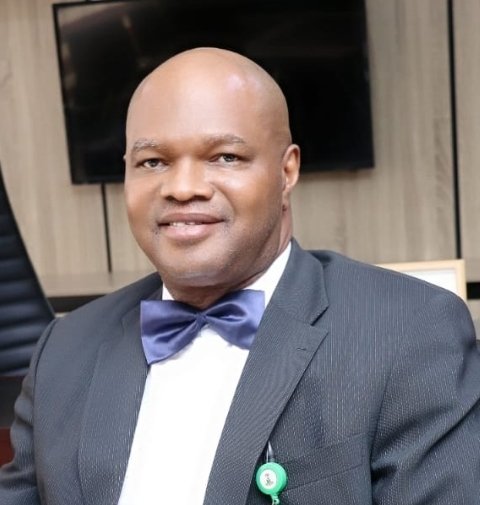
In a decisive move to enforce regulatory standards, the Central Bank of Nigeria (CBN) has revoked the operating licenses of two prominent mortgage institutions: Aso Savings and Loans Plc and Union Homes Savings and Loans Plc. This action, announced by CBN’s Acting Director of Corporate Communications, Hakama Sidi-Al, signals a significant shift in the regulator’s approach to ensuring stability within Nigeria’s financial sub-sectors.
[[PEAI_MEDIA_X]]
The revocation, executed under Section 12 of the Banks and Other Financial Institutions Act (BOFIA) 2020 and Section 7.3 of the Revised Guidelines for Mortgage Banks, was not a sudden decision. According to the CBN, it culminated from a series of critical and persistent regulatory failures by the two institutions. This context is crucial for understanding that such actions are typically last-resort measures after prolonged non-compliance.
Decoding the Regulatory Violations
The CBN cited a cascade of failures that eroded the foundations of the affected banks:
- Capital Deficiency: The primary violation was the failure to meet the minimum paid-up share capital requirement for their license category. Mortgage banks in Nigeria are tiered (National, State), each with specific capital thresholds. Being “critically undercapitalised” means their capital adequacy ratio fell dangerously below the CBN’s prudential minimum, leaving them with insufficient buffers to absorb losses.
- Insolvency Risk: The statement that the institutions had “insufficient assets to meet their liabilities” is a direct indicator of technical insolvency. This means their financial position was such that they could not reliably meet obligations to depositors and creditors, posing a direct risk to financial system confidence.
- Chronic Non-Compliance: Beyond capital, the CBN noted a failure to comply with “several directives and obligations.” This could range from routine reporting failures to ignoring specific corrective orders regarding lending practices, governance, or risk management.
The Broader Implications for Nigeria’s Mortgage Sector
This enforcement action is framed within the CBN’s larger goal to “re-position the mortgage sub-sector.” Nigeria’s mortgage sector has historically been underdeveloped, with low home ownership rates. A key barrier has been the weakness of primary mortgage institutions. By revoking the licenses of non-compliant players, the CBN aims to:
- Enhance Systemic Trust: Remove unstable entities that could trigger contagion.
- Promote a Culture of Compliance: Send a clear signal to all regulated institutions that regulatory thresholds are non-negotiable.
- Pave the Way for Consolidation: Encourage a sector populated by stronger, well-capitalised institutions capable of providing long-term mortgage financing effectively.
[[PEAI_MEDIA_X]]
What Happens Next for Customers and the Market?
While the announcement focuses on revocation, the immediate concern for depositors and borrowers is the resolution process. The CBN, in collaboration with the Nigeria Deposit Insurance Corporation (NDIC), will typically activate a resolution mechanism. This could involve the sale of the institutions’ assets and liabilities to a healthier bank, the payout of insured deposits, or the creation of a bridge institution. The CBN’s commitment to “financial system stability” suggests measures will be taken to minimise disruption to customers and prevent panic.
This event serves as a critical case study in post-BOFIA 2020 regulatory power. The Act granted the CBN stronger resolution powers, and this revocation is a practical demonstration of their willingness to use them. For other mortgage banks and financial institutions, it is a stark reminder that capital requirements and regulatory directives are the bedrock of operational legitimacy, not mere suggestions. The long-term health of Nigeria’s housing finance ecosystem depends on such rigorous enforcement to protect stakeholders and build a resilient sector.
Reported by Kadiri Abdulrahman. Edited by Benson Ezugwu and Joseph Edeh.
About the Author