










By Monday Ajogun | Onitsha, Anambra | December 14, 2025
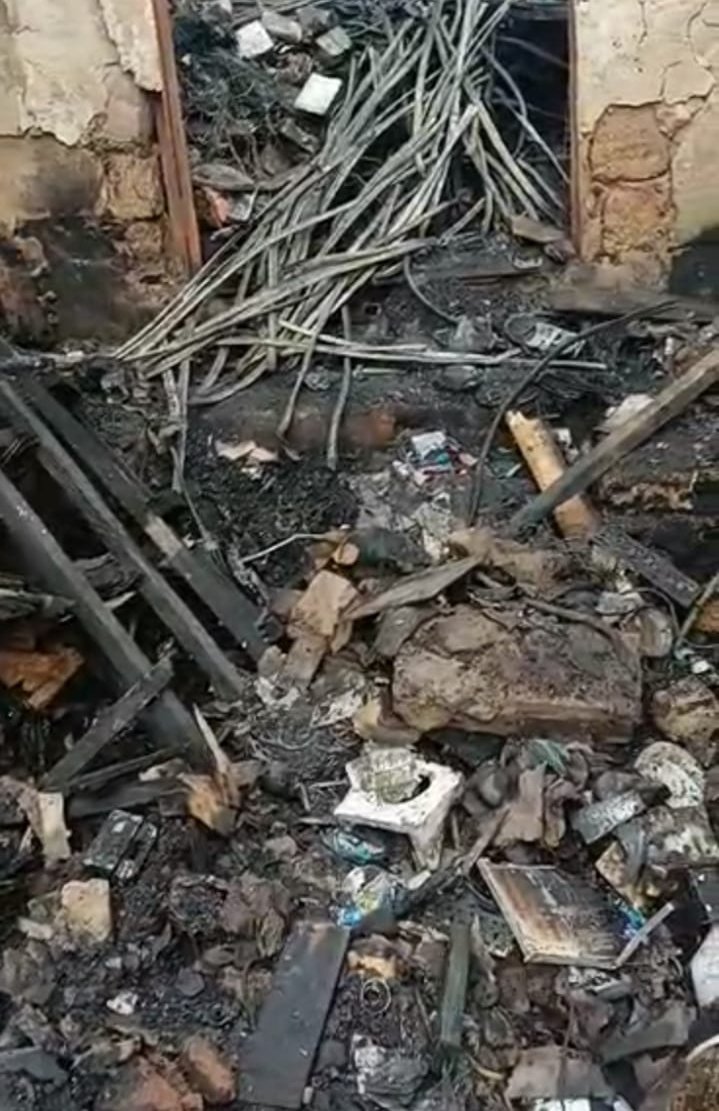
A devastating pre-dawn fire swept through the historic Umunnachi section of Aforigwe Market in Umudioka community on Sunday, reducing millions of naira in merchandise and livelihoods to ashes. The incident, occurring in Dunukofia Local Government Area, highlights a recurring vulnerability in Nigeria’s commercial hubs and raises urgent questions about infrastructure and emergency response.
Mr. Chukwudi Chiketa, the Anambra State Fire Chief, confirmed the scale of the disaster to the News Agency of Nigeria (NAN). His preliminary investigation points to a critical and alarmingly common trigger: an electrical spark following the restoration of power to the building. This scenario, often termed “power surge ignition,” is a frequent culprit in market fires across Nigeria, where aging wiring and informal electrical connections are standard.
“The inferno ignited around 2:00 a.m., a time when markets are deserted and early detection is least likely,” Chiketa stated. “However, the swift action of our firefighters contained the blaze, preventing a catastrophic chain reaction that could have engulfed the entire market complex and adjacent structures.” This intervention underscores the vital, yet often under-resourced, role of state fire services.
An eyewitness account, given anonymously, revealed a critical secondary response. Officials from the Enugu Electricity Distribution Company (EEDC) rushed to the scene, located along the busy Old Onitsha-Awka road, to disconnect live cables and prevent electrocution risks for responders and survivors. This necessary step, however, also points to the potential electrical hazards that may have been present before the fire.
The economic toll is severe and deeply personal. The fire ravaged a diverse cluster of small businesses, including:
- Shoe and apparel shops: Representing significant inventory capital for individual traders.
- Provisions stores: Stockpiles of essential goods, often purchased on credit.
- Bread depots: Perishable inventory with zero salvage value.
- Electrical appliance shops: Ironically, stores selling goods that may have fallen victim to the very electrical fault that caused the disaster.
This event is not an isolated one. Market fires in Nigeria have become a tragic pattern, often attributed to faulty electrical installations, overcrowding, and a lack of enforced safety standards. The Aforigwe Market fire serves as a stark reminder of the need for:
- Preventive Electrical Audits: Mandatory, regular inspections of wiring and connections in marketplaces by distribution companies and regulatory bodies.
- Trader Education: Programs on fire safety, proper use of electrical equipment, and insurance options for micro-businesses.
- Infrastructure Investment: Upgrading market layouts to include fire breaks, accessible water points, and clear emergency service pathways.
While the Anambra Fire Service’s response mitigated greater damage, the incident exposes the fragile ecosystem of Nigeria’s informal retail sector. For the affected traders, the loss extends beyond property; it represents a rupture in their ability to feed families, pay school fees, and sustain the local economy. Recovery will require more than rebuilding shops—it demands a systemic commitment to preventing the next fire. (NAN) (www.nannews.ng)
AJOM/CHOM
=========
Edited by Chioma Ugboma
About Author
