By Fatima Mohammed-Lawal
Ilorin, Dec. 13, 2025
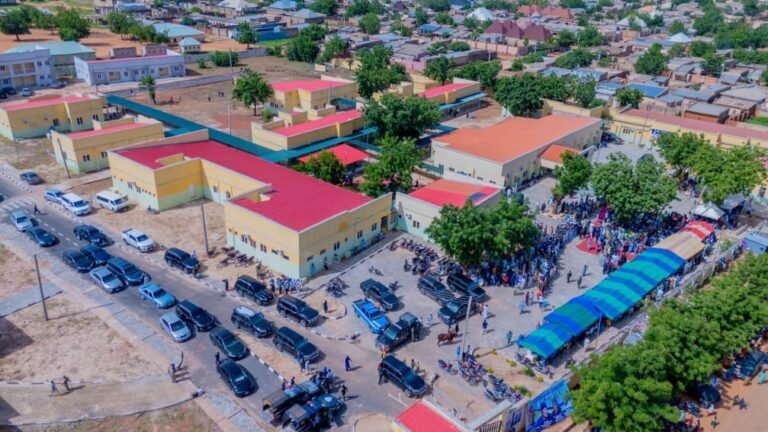
In a significant validation of its sustained public health strategy, the Kwara State Government has clinched the title of Best Performing State in the North Central Zone for the 2025 Primary Health Care (PHC) Leadership Challenge. This national recognition, announced by the Kwara State Primary Healthcare Development Agency (KWSPHCDA), is not merely an accolade but a catalyst for further development, coming with a substantial $400,000 grant earmarked for infrastructure and service expansion.
Mrs. Bukola Abdulganiyu, spokesperson for the KWSPHCDA, detailed that the grant must be deployed in strict accordance with guidelines set by the United Nations Children’s Fund (UNICEF) and the Nigeria Governors’ Forum (NGF). This ensures the funds directly address core PHC gaps, such as facility upgrades, essential drug supply chains, and manpower training, rather than being absorbed into general state finances. “This award is a testament to the administration’s unwavering dedication to advancing primary healthcare delivery for all residents,” Abdulganiyu stated.
What makes Kwara’s achievement particularly noteworthy is its consistency. This marks the third consecutive year the state has received this prestigious honor, indicating a deep-rooted, systemic approach to healthcare reform rather than a one-off project. It places Kwara as a benchmark for PHC delivery within the region and the nation at large.
The Executive Secretary of the KWSPHCDA, Prof. Nusirat Elelu, attributed this success to Governor AbdulRahman AbdulRazaq’s “visionary leadership, far-reaching reforms, and sustained investment.” She elaborated on the foundational philosophy driving their progress: “Primary health care remains the cornerstone and first point of contact for any effective health system. The progress we’ve recorded reflects deliberate policy choices, increased funding, strategic facility upgrades, and improved coordination across all 16 Local Government Areas.”
This peer-reviewed PHC Leadership Challenge, as reported by the News Agency of Nigeria (NAN), serves as a critical accountability mechanism. It incentivizes state governments to compete on measurable health outcomes—such as immunization coverage, skilled birth attendance, and antenatal care—fostering a race to the top in a sector critical to national development. For Kwara, the tangible outcomes of this multi-year focus are evident in communities where revitalized PHC centers now offer more reliable and accessible care.
Looking forward, Prof. Elelu confirmed that the new $400,000 grant will be strategically channeled to “enhance service delivery, expand critical infrastructure, and bring quality healthcare closer to the doorsteps of underserved communities.” This continued investment underscores a clear recognition that a resilient, people-centered primary healthcare system is not just a social service, but the essential bedrock for a productive and prosperous society.
Edited by Ismail Abdulaziz
About the Author