In a significant public health mobilization, the Gombe State Government, in partnership with the Federal Government and the United Nations Children’s Fund (UNICEF), has officially launched a comprehensive National Immunisation Plus Days (NIPDs) campaign. This integrated initiative, which also marks the commencement of the Maternal, Newborn and Child Health Week (MNCHW), represents a strategic, multi-pronged assault on preventable diseases and childhood malnutrition.
The campaign sets an ambitious target: reaching 832,427 eligible children and pregnant women across all 11 Local Government Areas of the state. While the headline figure focuses on polio vaccination for children under five, the program’s true strength lies in its integrated design, which bundles several critical interventions into a single, efficient outreach effort.
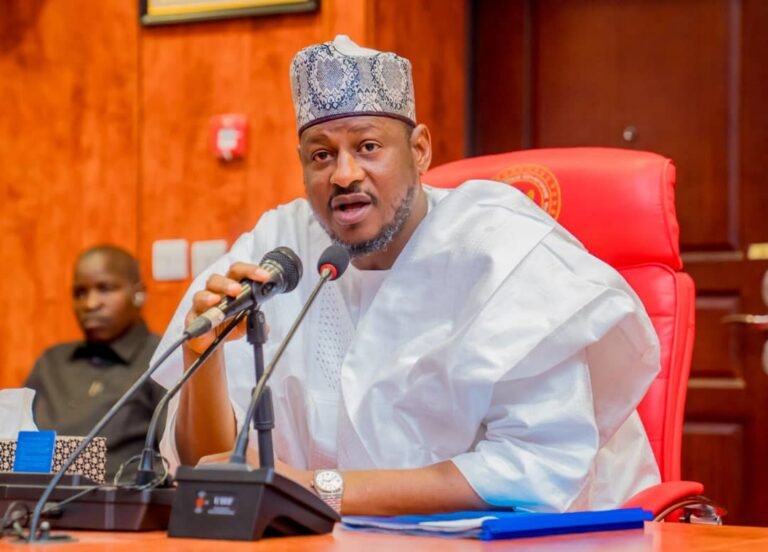
“This campaign is crucial for building a protective shield around our most vulnerable—our children and expectant mothers,” stated Deputy Governor Mr. Manassah Jatau, who was represented by Dr. Ahmed Kashere, Chairman of the Gombe State Primary HealthCare Development Agency. “By integrating services, we maximize our reach and impact, ensuring families receive a package of life-saving care in one visit.”
Beyond Polio: A Deeper Look at the Integrated Health Package
The campaign moves far beyond a singular focus. For the 832,427 targeted children, it delivers a synergistic package of interventions:
- Polio Vaccination: The core defense against a virus that can cause irreversible paralysis, this effort is vital for maintaining Nigeria’s hard-won polio-free status.
- Vitamin A Supplementation: Targeting 770,852 children aged 6–59 months, this simple supplement is a powerhouse. It drastically reduces child mortality from common infections like measles and diarrhea by bolstering the immune system, and prevents night blindness and other deficiency disorders.
- Deworming: For children 12–59 months, administering albendazole or mebendazole clears parasitic worm infestations. This directly improves a child’s nutritional status, as worms steal essential nutrients, leading to anemia, stunted growth, and impaired cognitive development.
- Malnutrition Screening: Using Mid-Upper Arm Circumference (MUAC) tapes, health workers will screen children 6–59 months for acute malnutrition. This allows for early identification and referral for treatment, catching problems before they become life-threatening.
Empowering Mothers for Healthier Pregnancies
Recognizing that child health begins in the womb, the campaign provides direct support to over 214,126 pregnant women:
- Multiple Micronutrient Supplements (MMS): Superior to traditional iron-folate alone, these “super-prenatals” contain 15 essential vitamins and minerals. They reduce the risk of low birth weight, stillbirth, and maternal anemia. UNICEF’s provision of over 20,000 bottles of MMS is a cornerstone of this support.
- Intermittent Preventive Treatment for Malaria (IPTp): The distribution of Sulphadoxine-Pyrimethamine is a proven strategy to prevent malaria in pregnancy, which can cause severe anemia in the mother, miscarriage, stillbirth, and low birth weight.
- Health Education: Sessions on essential household practices—like proper handwashing, safe water storage, exclusive breastfeeding, and use of insecticide-treated nets—equip mothers with knowledge to sustain health gains long after the campaign ends.
A Model of Collaborative Success
Officials highlighted the collaborative framework that makes such a large-scale operation possible. Mr. Haruna Gambo, Zonal Technical Officer for the National Primary HealthCare Development Agency, reaffirmed the Federal Government’s commitment, noting that such integrated campaigns strengthen the entire primary healthcare system.
Dr. Nuzhat Rafique, Chief of UNICEF’s Bauchi Field Office, pointed to the remarkable success of a previous 2025 campaign as evidence of what is achievable. “This demonstrates the power of unity among governments, communities, health workers, and partners,” she said. She underscored that UNICEF’s support, including over 700,000 doses of Vitamin A, is aimed at building resilience from the ground up. “Immunisation remains one of the most cost-effective public health tools. We urge every parent and community leader to ensure no child is left behind.”
On the ground, the community response was palpable. Mothers speaking to the News Agency of Nigeria (NAN) expressed tangible gratitude, noting their children’s improved health since embracing these regular government-led initiatives. This grassroots trust is the ultimate metric of the program’s value, turning statistical targets into real-world well-being.
The Gombe campaign is more than a vaccination drive; it is a holistic health investment. By wrapping children and mothers in a layered blanket of prevention, supplementation, and education, it addresses the interconnected roots of poor health, setting a powerful precedent for sustainable community health empowerment in Nigeria.
UP/AMM
=======
Edited by Abiemwense Moru
About the Author