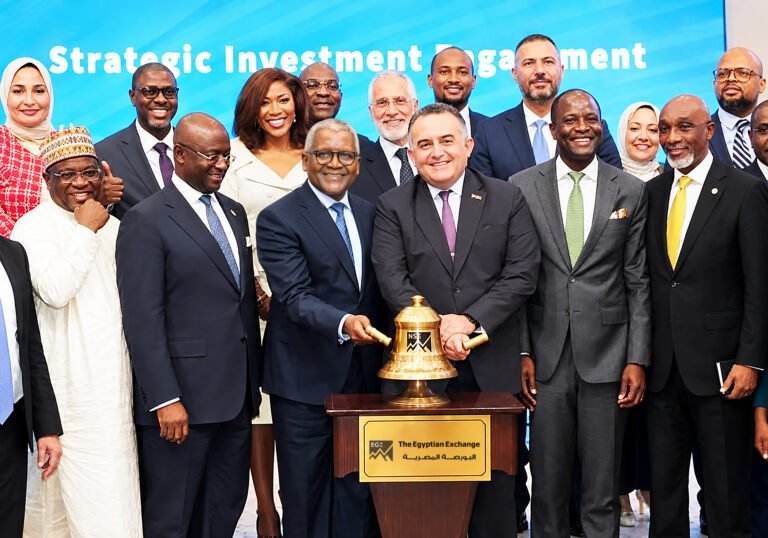
In a landmark event that signals a seismic shift in private-sector philanthropy for education in Nigeria, Vice-President Kashim Shettima inaugurated the Aliko Dangote Foundation’s N100 billion annual Education Scholarship Initiative in Lagos on December 11, 2025. This program, projected to invest a staggering N1 trillion over the next decade, represents one of the most ambitious private interventions in Africa’s educational landscape.
The initiative arrives at a critical juncture. As Vice-President Shettima starkly noted, West Africa currently bears the burden of the world’s lowest Human Capital Index. He framed the challenge with compelling urgency: “A youthful population is a global asset only when it is educated. Without education, it becomes a threat to itself and to the nation that houses it.” This statement underscores the demographic imperative facing Nigeria—a nation where a significant portion of its population is under 30, making educational investment not just a social good, but a fundamental strategy for national stability and economic competitiveness.
Beyond the Headlines: The Structure of a Generational Investment
While the N100 billion annual figure captures attention, the program’s true value lies in its multi-faceted, structural approach. Unlike episodic charity, it is designed as a comprehensive ecosystem of support. The initiative will deploy a range of targeted schemes across primary, secondary, and tertiary levels, including technical and vocational education (TVET). A particularly significant provision reserves 25% of scholarship slots for persons living with disabilities, an explicit move toward inclusive education often overlooked in large-scale programs.
To ensure integrity and reach, the Foundation announced strategic partnerships with key government agencies like the Nigerian Education Loan Fund (NELFUND), the National Examinations Council (NECO), and the West African Examinations Council (WAEC). These collaborations aim to leverage existing infrastructure for a transparent, merit-based selection process and efficient delivery, addressing perennial concerns about fairness and accountability in scholarship administration.
Aligning with National Reforms and a Broader Philanthropic Shift
The Dangote initiative does not exist in a vacuum. Shettima positioned it as a powerful complement to the Tinubu administration’s educational reforms, which include the operationalization of NELFUND for student loans, the strengthening of the Universal Basic Education Commission (UBEC), and the expansion of the Tertiary Education Trust Fund (TETFUND). This public-private synergy is crucial. As the Vice-President implored, the private sector must see itself as a stakeholder in the survival of Nigeria’s education system.
Aliko Dangote’s commitment provides a formidable template. He revealed that 25% of his personal wealth is dedicated to the foundation, a pledge extending beyond his lifetime. This transforms the initiative from a corporate social responsibility project into a legacy of “visionary philanthropy,” as Shettima described it. The United Nations Deputy Secretary-General, Amina Mohammed, highlighted the transformative potential of such sustained investment, particularly for girls’ education and TVET, which creates direct pathways to employment and entrepreneurship.
The Road Ahead: Implementation as the True Test
The unanimous commendations from figures like Lagos State Governor Babajide Sanwo-Olu and the Ooni of Ife, Oba Adeyeye Ogunwusi, reflect a national consensus on the program’s potential. However, the historical “gap” Shettima referenced—a lingering societal suspicion of formal education—and the scale of Nigeria’s needs present formidable challenges. The program’s success will hinge on consistent, transparent execution over the promised ten-year horizon.
The initiative’s long-term multiplier effect, as noted by the Steering Committee Chairman, Retired Justice Sidi Bage, could be profound. By systematically expanding access to quality learning, it aims to directly strengthen Nigeria’s human capital, driving innovation, productivity, and global relevance. In essence, the N1 trillion question is whether this private-sector colossus can help catalyze a broader national movement to treat education, in Shettima’s words, not as an affliction of the past, but as the definitive “survival strategy” for Nigeria’s future.
(Based on reporting by Salisu Sani-Idris for NAN. Edited by Hadiza Mohammed-Aliyu.)
About the Author