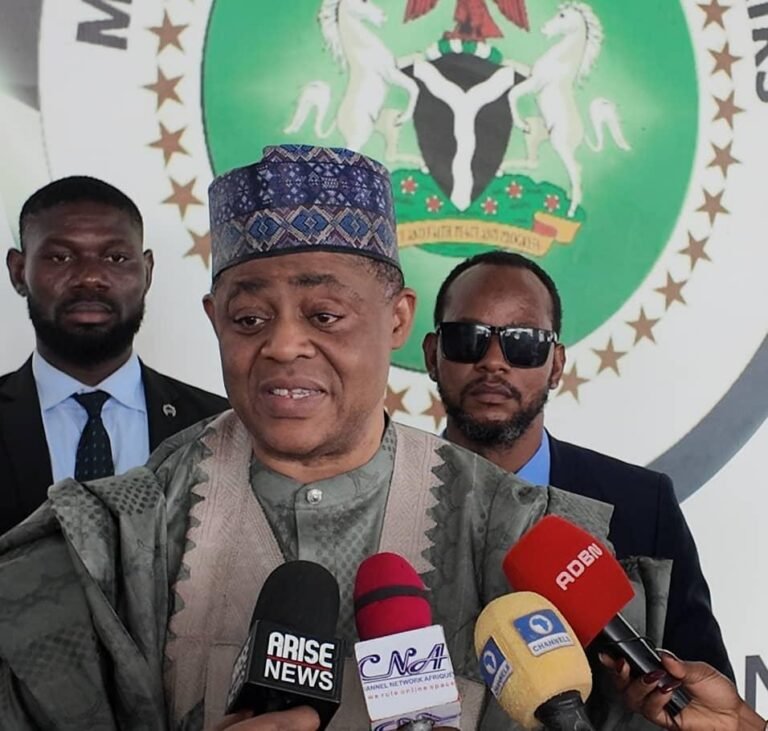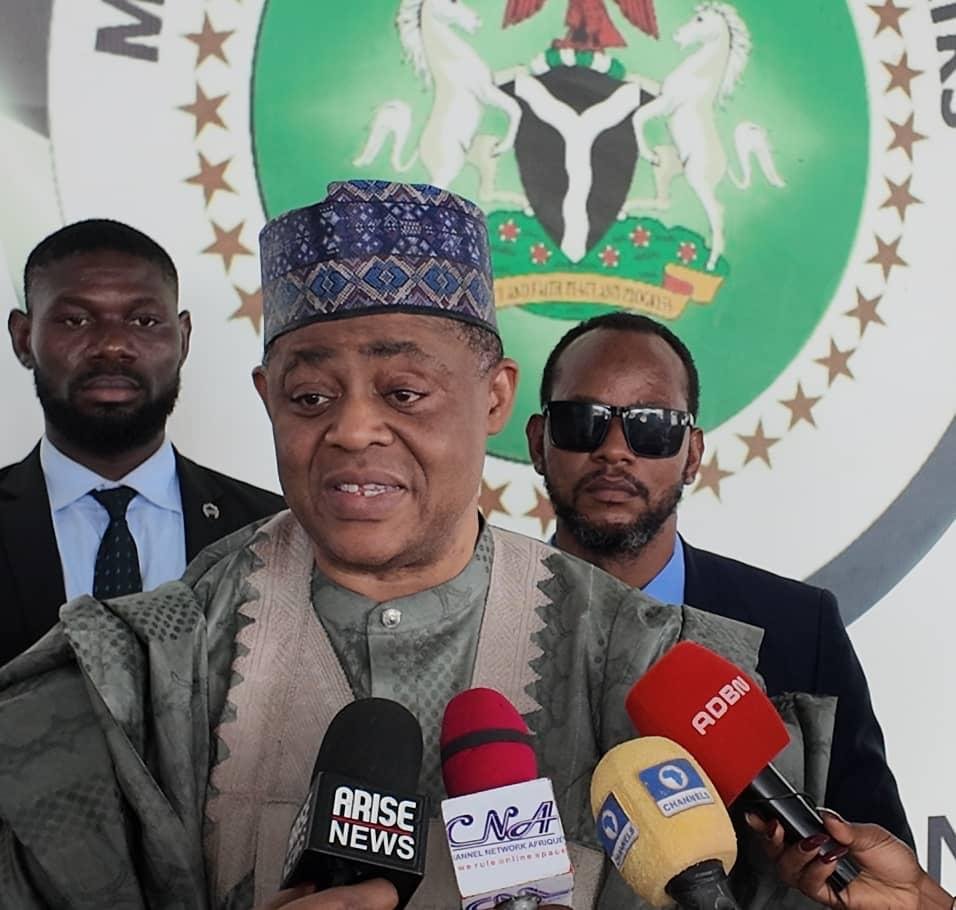
Nigeria’s Ambassador to South Africa, Femi Fani-Kayode, has raised concerns over the treatment of Nigerians in South Africa, citing unresolved deaths, alleged misconduct by security personnel and growing anti-Nigerian rhetoric, while calling for stronger diplomatic cooperation between both countries.
Fani-Kayode said Nigeria remained committed to deepening economic, political and diplomatic relations with South Africa, stressing that the stability of relations between the continent’s two leading economies was critical to Africa’s broader development.
“The future of Africa is closely tied to the relationship between Nigeria and South Africa. If these two countries fail to work together, it could have significant implications for the continent’s progress,” he said.
The ambassador, who said he had consistently advocated dialogue, mutual respect and closer bilateral engagement since assuming office, maintained that cordial relations between the two governments must not come at the expense of addressing concerns affecting Nigerians living in South Africa.
He said Nigeria could not overlook unresolved cases involving the deaths of its citizens, reports of misconduct by some security personnel and recurring hostile rhetoric targeting Nigerians by certain groups.
“As ambassador, I would be failing in my responsibility if I did not raise concerns about the treatment of Nigerians in South Africa,” Fani-Kayode said.
He particularly condemned the tendency to portray Nigerians living in South Africa as criminals, arguing that such generalisations unfairly stigmatise an entire community and undermine the contributions of thousands of Nigerians to the country’s economy and social development.
According to him, Nigerians in South Africa include professionals, doctors, lawyers, academics, entrepreneurs and other law-abiding citizens whose contributions should not be overshadowed by the misconduct of a few individuals.
“A small minority engaged in wrongdoing should not be used to define an entire community,” he said.
Fani-Kayode noted that although anti-Nigerian sentiments expressed by some organisations did not necessarily represent the position of the majority of South Africans, the persistence of such rhetoric remained a source of concern and required sustained engagement.
He called for greater understanding between Nigerians and South Africans, insisting that dialogue, cooperation and respect for the rights and dignity of citizens remained essential to preventing tensions from escalating.
The envoy also commended Nigerian community organisations in South Africa for their role in promoting the welfare of citizens, strengthening engagement with authorities and supporting Nigerians facing difficulties.
He said the diplomatic mission was increasingly giving Nigerians a sense that their concerns were being heard and represented, pledging to remain vocal in defending their interests.
Fani-Kayode further urged Nigerian investors and business owners in South Africa to sustain their investments, expand their operations and support fellow citizens, despite the challenges confronting some members of the Nigerian community.
“Wherever Nigeria’s dignity is challenged or undermined, I will not hesitate to speak out and defend the green-white-green,” he said.
He reaffirmed that strengthening Nigeria-South Africa relations while ensuring the protection, welfare and dignity of Nigerians abroad remained central to his diplomatic mission.
About the Author