Nigeria is seeking to establish a joint industrial and investment hub with Japan to attract foreign capital, accelerate technology transfer and position local businesses to tap into Japanese supply chains and the wider African market.
The proposal, put forward by the Minister of Foreign Affairs, Ambassador Bianca Odumegwu-Ojukwu, signals Nigeria’s push to turn 66 years of diplomatic relations with Japan into a stronger economic partnership driven by investment, industrialisation and job creation.
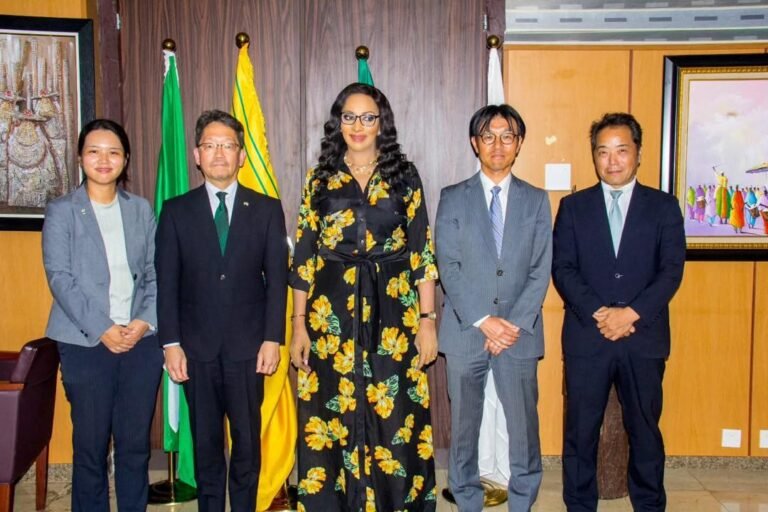
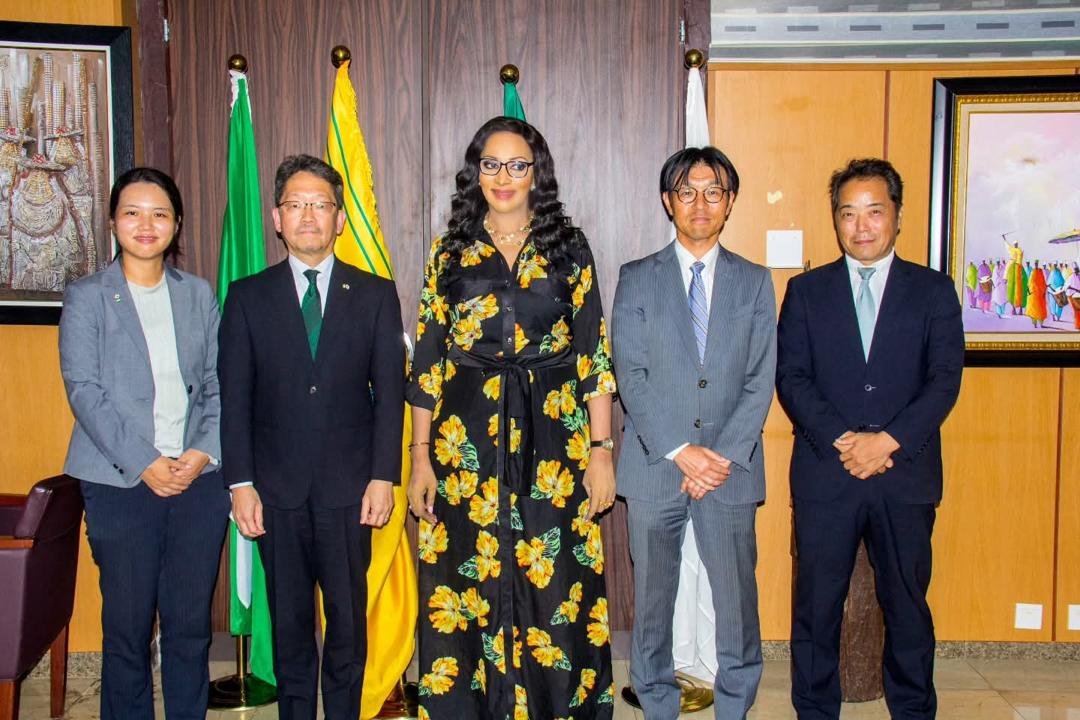
Odumegwu-Ojukwu made the proposal during a bilateral meeting with Japan’s Ambassador to Nigeria, Suzuki Hideo, urging Tokyo to work with Nigeria on a practical roadmap for the proposed Nigeria–Japan Industrial and Investment Hub.
The initiative is expected to facilitate joint ventures, connect investors with credible Nigerian businesses, promote skills development and encourage Japanese companies to establish stronger industrial links with Africa’s largest economy.
The minister stressed that existing bilateral agreements must translate into concrete investment commitments and measurable development outcomes, rather than remain diplomatic declarations.
“The outcomes of the Forum must be translated into concrete programmes, investment commitments and measurable development outcomes,” she said.
She urged both countries to implement the agreements reached at the 10th Nigeria–Japan Special Partnership Forum, held in Abuja on August 27, through practical programmes and regular consultations between their foreign ministries.
To strengthen private-sector participation, Odumegwu-Ojukwu called for more partnerships between Nigerian and Japanese companies through joint ventures, local content development, skills transfer and the integration of Nigerian businesses into Japanese supply chains.
She also sought greater engagement by the Japan External Trade Organization (JETRO) to link Japanese investors with Nigerian enterprises and public-sector partners.
Beyond manufacturing and trade, Nigeria is seeking Japanese investment in solid minerals, gas development, cleaner energy technologies and industrial decarbonisation, with the minister highlighting the strategic importance of resilient energy and critical-mineral supply chains.
The proposed investment push comes alongside Japan’s development cooperation in infrastructure, healthcare, agriculture, education and technical training through the Japan International Cooperation Agency (JICA).
Odumegwu-Ojukwu welcomed a $10 million JICA-supported initiative to strengthen Nigeria’s startup ecosystem through catalytic capital and institutional development, in partnership with the Nigeria Sovereign Investment Authority.
She also called for sustained Japanese support for peacebuilding, humanitarian assistance and stabilisation in Nigeria and West Africa, reaffirming Nigeria’s commitment to regional stability through the African Union and the Economic Community of West African States.
On mobility and business exchanges, the minister urged continued dialogue to resolve visa-related challenges affecting businesspeople, students, researchers, government officials and tourists.
Responding, Suzuki said Japan was desirous of deepening cooperation with Nigeria, which he described as a strategic African giant.
He also assured that visa-related issues would be handled expeditiously, an undertaking that could help facilitate business and people-to-people exchanges between the two countries.
Odumegwu-Ojukwu said the existing cordial relations between Nigeria and Japan offered an opportunity to build a more dynamic partnership anchored on investment, industrialisation, technology transfer and shared prosperity.
The renewed engagement comes as both countries seek to move beyond decades of diplomatic relations towards stronger commercial ties, with the proposed industrial hub emerging as a potential platform for converting bilateral goodwill into investments and economic opportunities.
About the Author