The Anambra State Government has confirmed a case of Lassa fever involving a patient from Omasi community in Ayamelum Local Government Area, prompting the activation of emergency measures to prevent the spread of the disease.
The government disclosed this during a stakeholders’ meeting at the Ministry of Health headquarters in Awka, where officials announced intensified disease surveillance, contact tracing and public awareness campaigns.
As part of efforts to contain the situation, the state government convened an emergency meeting with health partners, including the World Health Organisation (WHO) and Médecins Sans Frontières (MSF).
The meeting led to the activation of the Incident Management System to coordinate the state’s response to the confirmed case.
The affected patient is currently receiving treatment at the Federal Teaching Hospital, Abakaliki (FETHA), in Ebonyi State.
Health officials are expected to visit the patient’s household in Omasi to identify individuals who may have had contact with the patient.
Those identified will be assessed and classified according to their level of exposure to determine the appropriate monitoring and follow-up measures.
The state government urged residents experiencing persistent fever or malaria-like symptoms that fail to improve after appropriate treatment to seek medical attention promptly.
It warned against excessive reliance on self-medication, stressing that early diagnosis and proper medical care were essential for effective management of the disease.
Residents were also advised to observe strict hygiene practices, keep food covered and store it in rodent-proof containers to prevent contamination by rats.
The government further urged households to maintain clean surroundings and take measures to prevent rodents from gaining access to food and other household items.
It cautioned residents against direct contact with the blood and other body fluids of suspected or confirmed Lassa fever patients, advising them to follow established infection-prevention guidelines and the instructions of health professionals.
Residents of Omasi, other communities in Ayamelum and the wider Anambra State were encouraged to remain vigilant, cooperate with public health officials and avoid circulating unverified information about the case.
The government said the measures were aimed at strengthening preparedness, monitoring potentially exposed individuals and reducing the risk of further transmission.
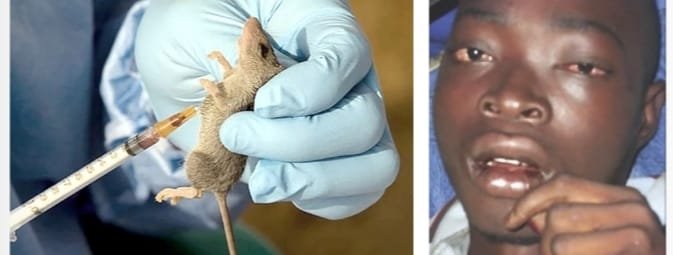
Lassa fever is an acute viral illness caused by the Lassa virus. The multimammate rat, also known as the African rat, is the primary reservoir of the virus, which can spread to humans through contact with food or household items contaminated by infected rodents’ urine or droppings.
The disease can also spread through direct contact with the blood or other bodily fluids of an infected person, particularly in healthcare settings where appropriate infection-prevention measures are not observed.
About the Author