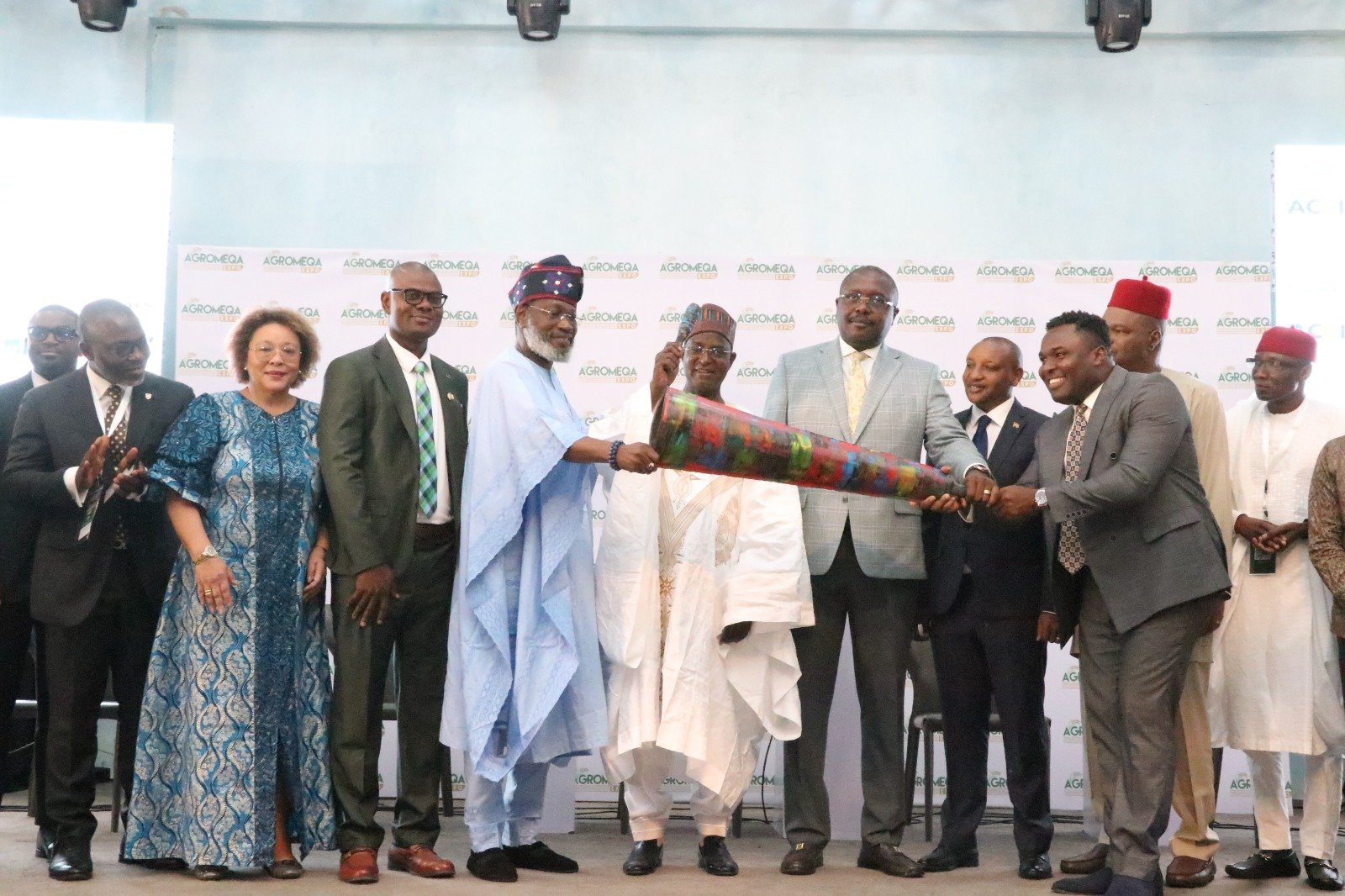
The Abuja Chamber of Commerce and Industry (ACCI), the Nigerian Association of Chambers of Commerce, Industry, Mines and Agriculture (NACCIMA), and Nigeria Incentive-Based Risk Sharing System for Agricultural Lending (NIRSAL) have called for increased private-sector investment in agricultural technology, mechanisation, processing, financing and export development to unlock Nigeria’s agricultural potential and strengthen its non-oil export earnings.
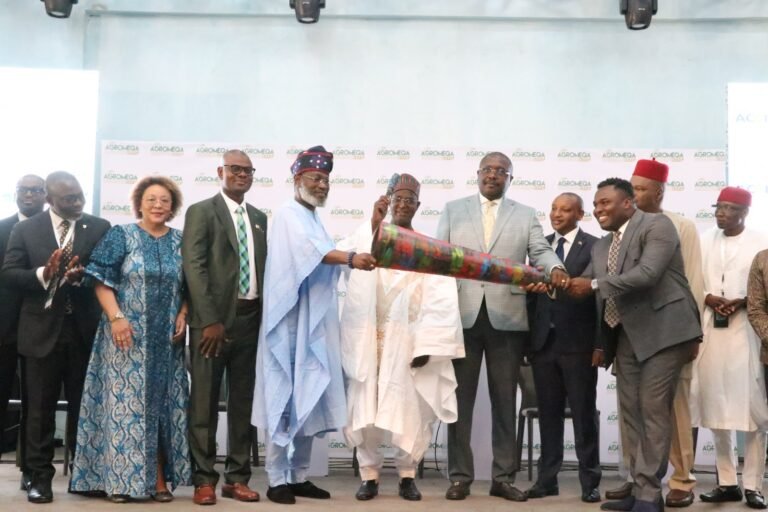
The call was made at the maiden edition of AgroMeqa Expo 2026, held at the Prince Adetokunbo Kayode, SAN, Trade and Convention Centre, ACCI Complex, Abuja.
The two-day Expo, themed, “Technology and Investment for Agro-Export,” brought together policymakers, investors, agricultural practitioners, members of the diplomatic community, industry leaders, exhibitors and other stakeholders across the agricultural value chain.
Speaking at the event, the Minister of Livestock Development, Alhaji Idi Mukhtar Maiha, called for increased investment in dairy production, red meat processing, leather manufacturing and commercial fodder production to unlock the livestock sector’s economic potential.
Alh. Maiha said livestock contributes an estimated US$32 billion to Nigeria’s economy, with the Federal Government targeting growth to US$74 billion. He also highlighted NACCIMA’s announcement of a US$50 billion, ten-year livestock investment initiative, describing the scale of investment ambition as an opportunity to develop productive enterprises, create sustainable jobs and strengthen the country’s export capacity.
The Minister identified dairy production as a priority for reducing dependence on imports, while advocating modern meat processing and refrigerated transportation to improve access to domestic and international markets.
He also emphasised the need to expand local leather value addition beyond semi-processed products and develop commercial fodder production to improve livestock productivity.
He stressed that investment in animal health, traceability, processing infrastructure and appropriate technologies would improve product quality, conserve foreign exchange, enhance food security and create opportunities for women and young people.
In his opening remarks, the President of ACCI, Chief Emeka Obegolu, SAN, PhD, reaffirmed the Chamber’s commitment to private-sector-led economic growth and the transformation of agriculture through technology adoption, investment mobilisation and stronger market linkages.
He emphasised the need to move beyond traditional production methods towards mechanised and commercially viable farming systems that can increase productivity, reduce post-harvest losses, create employment and expand Nigeria’s non-oil exports.
Delivering a keynote address, the President of NACCIMA, Engr. Dr Jani Ibrahim,, underscored the importance of private capital in developing competitive agricultural value chains. He called for investment in farm machinery, processing and storage facilities, appropriate financing, quality assurance, logistics and market access.
He noted that Nigeria must increase the proportion of agricultural produce processed locally, meet international quality standards and establish reliable commercial relationships to compete effectively in regional and global markets.
Also delivering a keynote address, the Executive Director, Operations, NIRSAL, Dr Ewaen Imohe, identified inadequate mechanisation, fragmented production systems, infrastructure deficits and limited access to finance as major constraints to agricultural productivity.
Imohe advocated farmer clustering to achieve economies of scale, renewable-energy solutions to reduce operating costs and innovative financing models to improve access to agricultural machinery.
He also highlighted NIRSAL’s Land Bank Initiative, through which more than 100,000 hectares of agricultural land have been mapped to support commercially viable production clusters and investment opportunities.
The Director-General of ACCI, Agbaidu Jideani, commended the organisers for their commitment to delivering the maiden edition of the Expo.
He expressed optimism that the event would expand significantly in subsequent editions, citing the encouraging level of participation recorded on the opening day.
The programme featured two panel sessions addressing key issues in agricultural transformation: “Mechanisation and Precision Agriculture: From Subsistence to Commercial Production” and “Unlocking Capital for Agriculture: Financing the Modern Agro-Industrial Value Chain.”
Both sessions were moderated by Dr Olasetemi Bode Thompson, ACCI Vice President, Agriculture, Chairman of JMT Plus Farms and convener of AgroMeqa Expo 2026.
Panellists included Prof. Adesoji Adesugba, ACCI 1st Deputy President; Dr Thomas Olugenga Arokoyo, Managing Consultant, Garvent Consult; Dr Godwin Uche Ukel, ACCI Chairman of Agriculture; Mr Mustapha Bakano Othman, National President of the Nigerian Cassava Growers Association; and Mr Nasir Adama of the Nigeria Agricultural Insurance Corporation (NAIC).
Discussions focused on advancing mechanisation and precision agriculture, improving access to agricultural finance, strengthening production systems and developing an efficient, commercially oriented agro-industrial value chain.
Participants also highlighted the importance of connecting farmers with technology providers, processors, financial institutions and export markets. They called for stronger collaboration among government agencies, investors, development partners, research institutions and private-sector operators to improve product quality, strengthen storage and processing infrastructure, reduce production costs and position Nigerian agribusinesses to benefit from opportunities under the African Continental Free Trade Area (AfCFTA).
AgroMeqa Expo 2026 continues on October 16, offering further opportunities for stakeholder engagement, business networking and the exploration of agricultural technologies and investment prospects.
Organised by ACCI through its Agricultural Trade Group in collaboration with JMT Plus Farms and Agro-Allied, the Expo aims to establish a sustainable platform for agricultural innovation, investment facilitation, agribusiness development and export promotion.
About the Author