Local Government Councils Chairpersons in Bauchi State have disclosed that some local governments were taking steps to address shortages of healthcare personnel by engaging volunteers already serving in public health facilities.
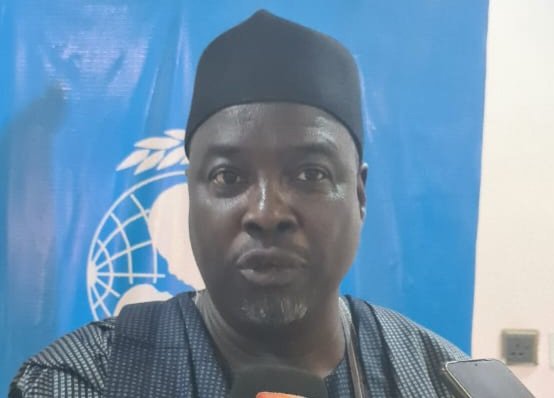
The disclosure was made by the representative of the Bauchi State Chapter of All Local Governments of Nigeria (ALGON), Ali Babayo, while speaking to Journalists on the sideline of a 2-day advocacy meeting organized in conjunction with the Bauchi Field Office of the United Nations Children’s Fund (UNICEF), held in Jos on Tuesday.
He cited Gamawa Local Government as an example, explaining that Nurses and Community Health extension workers who had been volunteering at the General Hospital were being considered for formal engagement under the Council’s workforce arrangements.
He added that Darazo and Zaki local governments had also reported similar efforts to absorb volunteer personnel into their workforce schemes.
According to him, the initiatives were intended to bridge staffing gaps caused by the growing population, the increasing number of health facilities and the inadequate number of personnel available to meet healthcare demands.
While acknowledging the efforts of the state government to recruit permanent and pensionable workers, Ali Babayo said additional support from local governments remained necessary to improve access to quality healthcare.
He however stressed that water scarcity remains a major challenge identifying inadequate access to potable water as another pressing challenge facing communities across Bauchi State.
He said the problem had persisted for decades and remained a recurring concern during political campaigns and community engagements.
According to him, visits to polling units across Gamawa Local Government had repeatedly revealed water scarcity as one of the most frequently reported community needs disclosing that he had presented the situation to UNICEF in the hope of attracting interventions to improve access to safe drinking water.
The Chairperson also raised concerns about the quality of water consumed by some communities, explaining that a water sample from one community had been presented to him for further examination saying he intended to take the sample for laboratory testing to establish its safety for drinking and domestic use.
Ali Babayo however assured residents that his administration would continue to explore solutions to the water crisis, describing access to safe water as a major development priority alongside security and livelihoods.
He called for stronger collaboration among local governments, the state government, UNICEF and other development partners to address malnutrition, improve healthcare services, expand access to safe water and tackle multidimensional poverty across the state.
About the Author