Media practitioners in the country have been urged to use their various platforms to advocate for adequate public financing of children’s health and ensure that child health remains a priority in government policies and budgets.
They are particularly urged to hold elective office holders responsible for poor financing of issues of children’s health and hold them to give account of what they have done in that regard even as they jostle for election or reelection in 2027.
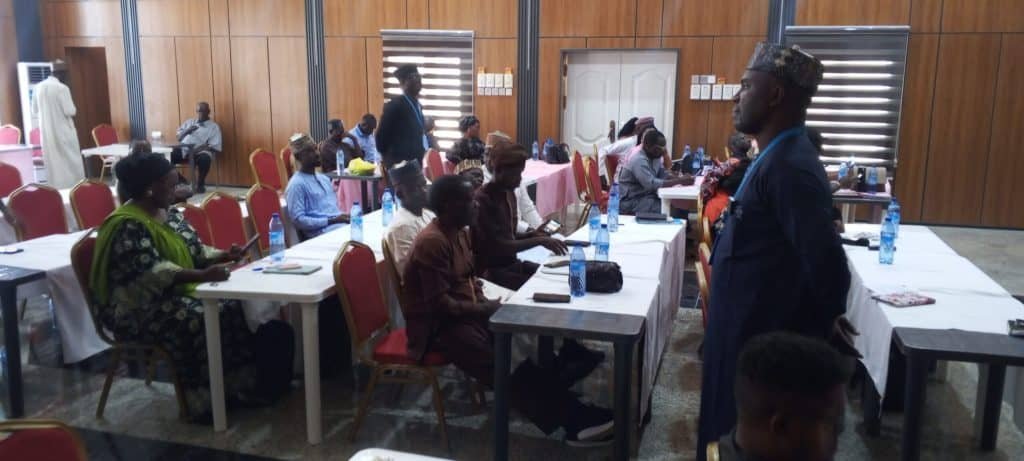
The call was made by the Managing Director of Bauchi Radio Corporation (BRC), Umar Muhammad Shira, at a one-day Media Dialogue on Public Finance for Children organised by the Bauchi State Government, through the Ministry for Budget, Economic Planning and Multilateral Coordination, in collaboration with the United Nations Children’s Fund (UNICEF), Bauchi Field Office.
Umar Muhammad Shira said, “As working partners with UNICEF, the media has a critical social responsibility to remain vanguards for the rights, health and welfare of children.”
According to him, “Every child deserves access to quality and affordable healthcare, regardless of their location or family background. Through responsible reporting, investigative journalism, public enlightenment and constructive engagement with policymakers, the media can help expose funding gaps, amplify the voices of vulnerable children and hold duty-bearers accountable.”
The Zonal Chairman, Zone B, of the Broadcasting Organisations of Nigeria (BON), stressed that investing in children’s health is not simply an expenditure; it is an investment in the future of the society, saying, “When we finance children’s health today, we secure a healthier, stronger and more productive generation tomorrow.”
The BRC MD added that, “As partners with UNICEF, let us renew our commitment to making the rights and welfare of every child a sustained priority in our newsrooms and across our media platforms.”
“As Gentlemen of the Press , if we utilize our opportunities, commit our energies, we will have the strength to push for better policies especially as they affect Children,” he added.
He then charged the participants to use their platforms to advocate for adequate public financing for children’s welfare and ensure that issues affecting children remain a priority in government policies and budgets.
In her opening remarks, the Chief of the UNICEF Bauchi Field Office, Dr Nuzhat Rafique, said social policy was critical to improving the wellbeing of children.
Nuzhat Rafique, who was represented by Abdulrahman Ado, Education Specialist and Officer-in-Charge of the UNICEF Bauchi Field Office, said the approaching 2027 elections provided an opportunity for the media to place issues affecting children at the centre of public discourse.
“We know where we are heading to; electioneering is on the way. Let’s talk about financing for children. The media is key to understanding our mission at this time as you engage the government, politicians and candidates,” she said.
She urged Journalists to maintain their position as advocates for children by asking candidates and policymakers critical questions on their plans for the social sector.
She stressed that, “Public finance for children is key as we address issues surrounding out-of-school children, stigmatisation and other challenges affecting children.”
According to her, UNICEF and other development partners would continue to support and advocate for the government, but their financial contributions remained small compared with the resources available to the government.
Nuzhat Rafique said, “A huge amount of money is allocated, but what about the impact? Policymakers and the media should ask questions to understand the reality so that in subsequent interactions with policymakers and candidates, we will know the plans they have for the social sector, including child protection and health.”
The dialogue, held in Bauchi, on , was part of UNICEF’s advocacy efforts to strengthen public financing for children, it drew 60 media practitioners from Bauchi, Gombe and Plateau states.
About the Author