The Katsina State Government has intensified measures to contain the diphtheria outbreak in the state, with more than 150,000 people vaccinated within the first 5 days of its emergency vaccination campaign.
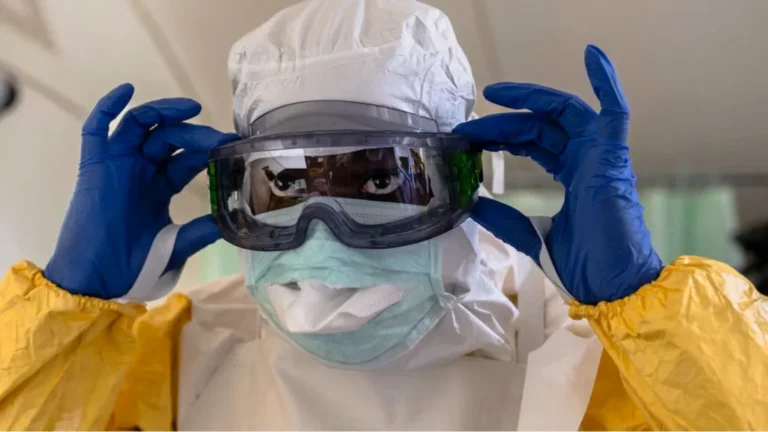
The response, under the administration of Governor Dikko Umaru Radda, combines emergency vaccination with active case detection, treatment, contact tracing, isolation facilities, infection prevention and community mobilisation.
The intervention became necessary following the spread of suspected diphtheria cases across 29 local government areas, with Funtua recording the highest burden, followed by other affected areas, including Kankia, Bakori, Katsina, Mashi and Daura.
For the Radda administration, the priority has been to identify affected communities quickly, protect those at risk and ensure that suspected cases receive medical attention before complications develop.
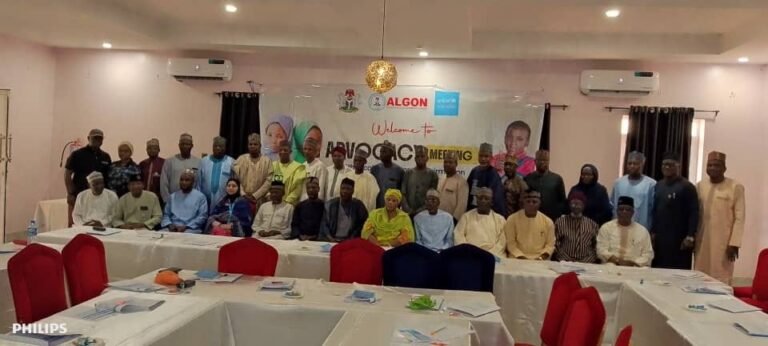
To coordinate the response, the government activated its emergency response structure, bringing together the State Emergency Preparedness and Rapid Response Team, Katsina State Primary Health Care Agency and Ministry of Health. The state is also working with the National Primary Health Care Development Agency, Nigeria Centre for Disease Control and Prevention and development partners. Regular coordination meetings, surveillance, contact tracing and preventive treatment for people exposed to suspected cases are ongoing.
150,346Vaccinated in 5 Days
One of the strongest components of the government’s response is the reactive vaccination campaign, which commenced on August 25, 2026, in 15 high-risk wards across Bakori, Charanchi, Funtua, Mashi and Kankia local government areas.
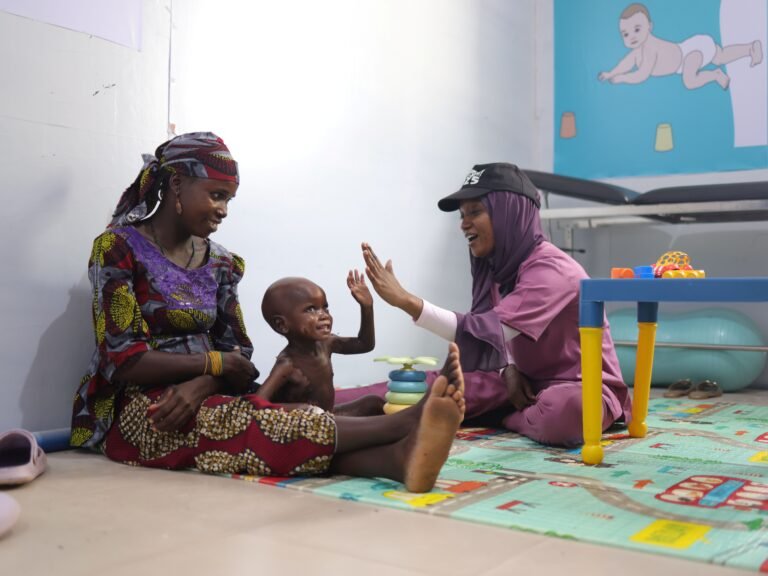
By the 5th day, 99,036 eligible persons had received the Td vaccine, while 51,310 children had received the Pentavalent vaccine. That means at least 150,346 vaccinations were administered within 5 days across the five targeted LGAs.
The figures are significant because vaccination remains one of the most effective protections against diphtheria. More importantly, reports from the field indicate strong public response, with high turnout at vaccination posts and health facilities. House-to-house mobilisation and the involvement of traditional leaders and community stakeholders have also helped drive participation.
The campaign data also provide a clearer picture of the scale of the exercise. The programme targets 114,570 children aged six months to five years for Pentavalent vaccination and 146,075 persons aged five to 15 years for Td vaccination across the five implementing LGAs.
Beyond the doses already administered, the Radda administration has secured an additional 650,000 doses of diphtheria-containing vaccines to extend protection in high-risk and affected communities. This is important. An outbreak of this nature cannot be fought from government offices alone. Vaccines must reach communities, suspected cases must be found early, health workers must be equipped and families must understand when and where to seek help.
Government Expands Treatment Capacity
The state government has established three additional isolation centres, complementing the NCDC-supported isolation centre at the Federal Teaching Hospital, Katsina. Essential medicines, medical consumables and infection prevention materials are also being provided, while case-management drugs are being positioned closer to affected communities.
Health workers are receiving additional training in diphtheria surveillance and case management. Surveillance teams are visiting affected communities and health facilities to search for cases, trace contacts and update records, while preventive medicines are being administered to contacts where necessary.
These measures matter because speed can make the difference between recovery and severe illness. Diphtheria is dangerous, but it is preventable, and early detection and prompt treatment can save lives.
Challenges Remain
The government has, however, not hidden the challenges confronting the response.
Available reports identify low vaccination uptake in some communities, late presentation of suspected cases at health facilities and Katsina’s international border with Niger Republic among the factors complicating disease control.
These realities make public cooperation as important as government intervention. Therefore, parents and caregivers must ensure that their children receive the recommended vaccines. Anyone showing symptoms such as sore throat, fever, difficulty swallowing or breathing, neck swelling, or a thick greyish or whitish membrane in the throat, tonsils or nose should be taken immediately to the nearest health facility. Suspected cases should not be managed at home while waiting for the condition to worsen.
Governor Radda’s administration has committed to providing the resources required to contain the outbreak while strengthening surveillance, case management and routine immunisation across the state.
Media Directorate
Government House, Katsina.
About the Author