By Sadiq Muhammed
As Nigeria gradually moves into another election season, politicians are once again presenting themselves as the solution to problems they previously created or struggled to solve. Former Vice-President Atiku Abubakar has recently renewed his promise to restore petrol subsidy if elected president, arguing that Nigerians have suffered unnecessarily from its removal.
For Nigerians facing high food prices, expensive transportation and declining purchasing power, such a promise will naturally sound attractive. But before accepting it, Nigerians should ask a simple question, Should political promises be judged by the words of politicians today, or by their records and conduct yesterday?
The issue is not whether subsidy removal was perfectly implemented. It was not. Indeed, the economic consequences have been severe, and the government itself has acknowledged that the financial gains from subsidy removal have largely been offset by higher debt servicing costs and increased government expenditure.
But the question Nigerians must ask Atiku is more fundamental.What exactly would he do differently, and why should Nigerians trust the new promise?
Atiku’s position on subsidy has evolved over time. During the 2023 campaign, he promised to remove fuel subsidy within his first 100 days if elected. Today, however, he says he would restore the subsidy.
That change in position is not necessarily proof of dishonesty. Politicians can legitimately revise policies when circumstances change. But Nigerians have every right to demand an explanation.
If subsidy was once considered economically unsustainable, what has changed? If the argument now is that subsidy savings were badly managed, why should Nigerians believe that a future Atiku administration would manage the subsidy differently? And most importantly, what mechanism would prevent subsidy from becoming another avenue for corruption, rent seeking and opaque government expenditure?
These questions matter because Nigeria’s subsidy history is filled with allegations of fraud, inflated claims and enormous public expenditure.
Economic promises cannot be separated completely from political credibility. Atiku was a major political figure during the years when the Peoples Democratic Party dominated Nigeria. He served as Vice-President from 1999 to 2007 and therefore cannot reasonably present himself as an outsider to the political establishment.
His defenders will argue that he was only Vice-President and that the President ultimately controlled government. That argument has some merit. But the opposite is also true, a vice-president who seeks the presidency must be judged by his influence, alliances, decisions and the political system in which he operated.
This is particularly important when discussing electoral integrity.
Professor Maurice Iwu became INEC chairman in 2005 and presided over the 2007 general elections, one of the most controversial electoral periods in Nigeria’s Fourth Republic. Contemporary observers and international reports raised serious concerns about the credibility of the electoral process during that period. Human Rights Watch, for example, documented widespread concerns surrounding electoral manipulation and the conduct of the 2007 elections.
This does not, by itself, establish that Atiku personally controlled INEC or ordered election manipulation. Such a claim requires evidence. However, allegations have circulated that political actors within the PDP establishment may have influenced electoral processes during that era, including claims concerning the Adamawa Central senatorial election involving the late Professor Jibrin Aminu.
The historical record establishes that Jibrin Aminu represented Adamawa Central in the Senate after winning in 2003 and was re-elected in 2007. However, allegations that Atiku personally intervened with INEC to overturn an initial result in Aminu’s favour or that Aminu had already conceded defeat before an alleged reversal,need documentary evidence before they can responsibly be presented as fact.
That distinction is important. Political criticism becomes stronger, not weaker, when it is based on verifiable evidence rather than rumours.
If there are official result sheets, returning officer records, court documents, contemporaneous newspaper reports or testimonies demonstrating such an intervention, those documents should be made public and examined. Nigerians deserve the truth, regardless of whose political reputation it affects.
The broader question remains. What did Atiku and the PDP establishment do during that era to strengthen the independence of INEC and guarantee that the votes of ordinary Nigerians would count?
That question becomes even more important today because politicians frequently present themselves as champions of democracy only when they are in opposition.
Another issue Nigerians should examine is the relationship between politicians, governors and political financing.
Atiku has recently accused APC governors of diverting public funds into political campaigns. If those allegations are true, they deserve investigation. But the same principle must apply to everyone.
A politician cannot demand transparency from his opponents while asking Nigerians to forget the opaque political financing practices associated with the political establishment to which he himself has belonged for decades.
Nigerians should therefore ask every presidential candidate.
Where does your campaign money come from? Who finances your political structure? What do you receive from governors and political office holders? What do you give them in return?
The Nigerian public should no longer accept politics in which politicians accuse one another of corruption while refusing to submit their own financial networks to serious scrutiny.
Nigeria’s crisis is much bigger than petrol prices.
We have a productivity crisis, an electricity crisis, an unemployment crisis, an insecurity crisis, a manufacturing crisis and a public-finance crisis.
A presidential candidate who says he will restore subsidy should therefore explain;
How much subsidy would the government pay annually?
Where would the money come from?
How would the government prevent subsidy fraud?
Would the government borrow to finance it?
How would the policy affect the naira?
How would it affect investment in domestic refining?
What would happen to the country’s debt?
How would the government protect poor Nigerians if the subsidy were eventually removed again?
What specific reforms would increase wages and household purchasing power?
How would the government reduce dependence on imported petroleum products?
These are the questions that matter not simply whether petrol will become cheaper on the day after inauguration.
The greatest danger to Nigeria’s democracy is not merely bad politicians. It is an electorate that repeatedly forgets political history.
Every election cycle, politicians reinvent themselves.
The man who supported one policy yesterday may oppose it tomorrow. The politician who once defended a government may later describe that same government as incompetent. Those who participated in the old political establishment may suddenly present themselves as its victims.
Nigerians must therefore develop a culture of political memory.
Do not ask only,“What is Atiku promising?”
Ask,“What did Atiku do when he had power?”
Do not ask only,“Will he restore subsidy?”
Ask,“What is his complete economic plan, and how will he finance it?”
Do not ask only,“Is he an opponent of Tinubu?”
Ask: “What democratic institutions did he strengthen when his political camp controlled government?”
And do not ask only whether a politician is from your region, speaks your language or belongs to your preferred political coalition.
Ask whether he has demonstrated competence, integrity, accountability, respect for institutions and a credible plan for Nigeria.
Atiku has every right to campaign for the presidency. He has every right to criticise the Tinubu administration. And Nigerians have every right to consider his proposals.
But Nigerians equally have the right to examine his political history without sentiment.
The country cannot afford another election in which voters are persuaded by slogans without examining the people making those promises.
If Atiku genuinely believes subsidy should return, let him publish the numbers.
Let him explain exactly how much it will cost.
Let him explain how he will prevent corruption in the subsidy regime.
Let him explain his record on economic policy.
Let him explain what lessons he learned from the PDP years.
Let him address the allegations and controversies surrounding electoral politics during the era in which he was one of the country’s most powerful political figures, while ensuring that every claim is tested against documentary evidence rather than political propaganda.
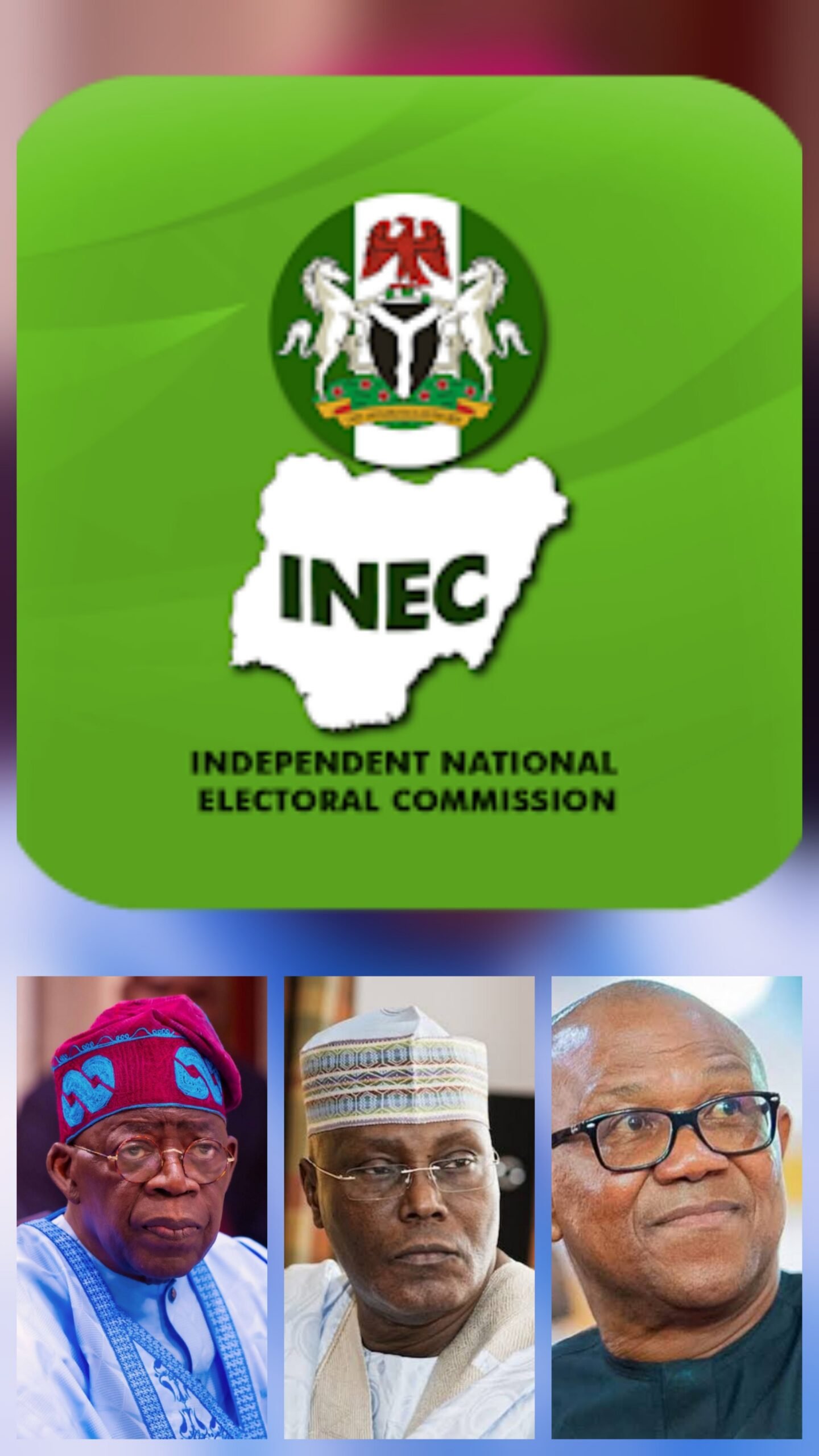
The same standard must apply to Tinubu, Peter Obi, Atiku and every other candidate.
Nigeria does not need another politician who merely tells Nigerians what they want to hear.
Nigeria needs a government that can explain how its promises will be funded, how institutions will be protected, how corruption will be confronted and how ordinary Nigerians will actually become more prosperous.
The lesson for Nigerian voters is therefore simple;
Do not be deceived by promises,but do not reject them merely because of political hatred either. Examine the evidence, study the record, demand the numbers and judge every candidate by the same standard.
Nigeria’s future is too important to be decided by political amnesia.
Muhammed can be reached at Sadiqu2013@gmail.com
About the Author