Ending period poverty beyond slogans in Nigeria
For millions of Nigerian girls, menstruation remains more than a monthly biological reality; it is a silent struggle shaped by poverty, stigma and poor access to basic sanitation facilities.
From rural communities where girls improvise with old rags and foam, to schools lacking functional toilets and water supply, the burden of period poverty continues to threaten the dignity, health and education of women and girls across the country.
Recent data highlight the scale of the challenge. According to the World Health Organisation and UNICEF, about 500 million women and girls globally lack access to adequate menstrual hygiene facilities and products.
In Nigeria, the situation is equally troubling.
Reports indicate that nearly 25 per cent of women and girls experience period poverty, while many still rely on unhygienic alternatives such as old cloths, tissue paper and rags during menstruation.
A recent report also revealed that 37 per cent of Nigerian women still depend on unhygienic menstrual management methods due to poor access and affordability challenges.
For many schoolgirls, the consequences go beyond discomfort.
Studies show that menstruation contributes significantly to absenteeism among adolescent girls, especially where sanitary products and safe hygiene facilities are unavailable.
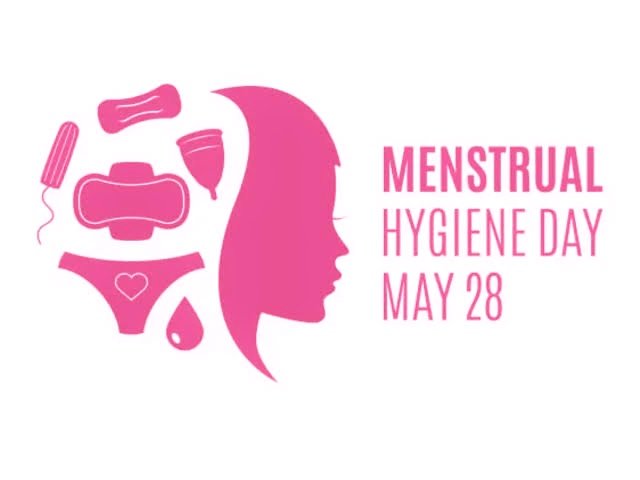
As the world marks the 2026 World Menstrual Hygiene Day on May 28, stakeholders have renewed calls for urgent investments in menstrual health.
They warned that without stronger policies, improved sanitation facilities and sustainable financing, millions of girls would continue to face exclusion, stigma and indignity.
Speaking in a statement, Mangrove & Partners Ltd said this year’s theme, “Together for a #PeriodFriendlyWorld,” underscored the need to recognise menstruation not merely as a health issue, but also as a question of dignity, inclusion and equal opportunity.
The organisation noted that in spite of increasing conversations around menstrual hygiene, access to safe and affordable products remained out of reach for many women and girls, especially in low-income and rural communities.
According to the organisation, poor menstrual hygiene management is closely linked to inadequate Water, Sanitation and Hygiene (WASH) infrastructure, poverty and persistent cultural stigma surrounding menstruation.
Data from the 2021 WASH-NORM survey show that only a fraction of Nigerians have access to basic sanitation and hygiene services, leaving millions of girls without safe spaces to manage menstruation with dignity.
Stakeholders say the implications are far-reaching. Girls who cannot afford sanitary products often miss classes during menstruation, while others endure shame, anxiety and discrimination associated with poor menstrual management.
In some communities, silence and harmful taboos surrounding menstruation continue to discourage open conversations on menstrual health education.
Mangrove & Partners, however, commended the Federal Government’s decision to exempt sanitary towels, pads and tampons from Value Added Tax (VAT) under the Nigeria Tax Act 2025, describing the move as a significant step toward easing the financial burden on households.
The tax exemption, which took effect from Jan. 1, is expected to improve affordability of menstrual products for millions of women and girls.
However, development experts insist that affordability alone cannot solve the broader challenge.
Chief Executive Officer of Mangrove & Partners, Mr Timeyin Uwejamomere, argued that achieving a truly period-friendly society required practical engineering solutions, stronger institutions and sustainable financing mechanisms.
“Strategic investments in WASH infrastructure, supported by the government’s recent tax exemptions on essential hygiene products, will ensure that no girl’s future is limited by lack of access to safe sanitation,” he said.
He stressed that temporary interventions must evolve into long-term systems capable of guaranteeing dignity and safety for girls in schools and communities.
The organisation also urged the Federal Ministry of Women Affairs to facilitate speedy approval of the National Menstrual Health and Hygiene Management Policy by the Federal Executive Council (FEC).
According to advocates, a comprehensive national framework is necessary to coordinate interventions, strengthen education campaigns and improve access to menstrual hygiene services across states.
For many campaigners, the goal is simple: a society where no girl misses school, loses confidence or faces discrimination simply because of her period.
As calls grow louder for a #PeriodFriendlyWorld, stakeholders insist that menstrual dignity must move from advocacy slogans to concrete action anchored on policy, infrastructure and social inclusion.
About the Author