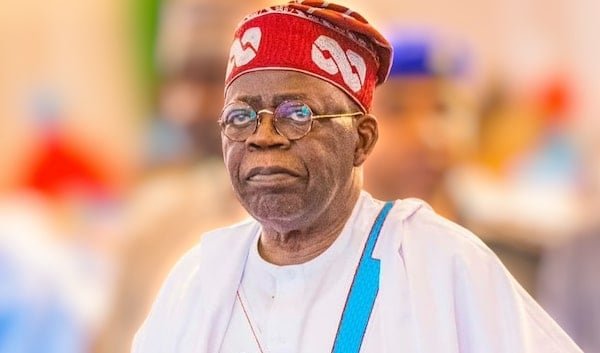
Atiku Abubakar

Atiku Abubakar’s Presidential Bid Gains Momentum as He Submits Nomination Form to ADC
By Gambo Jagindi
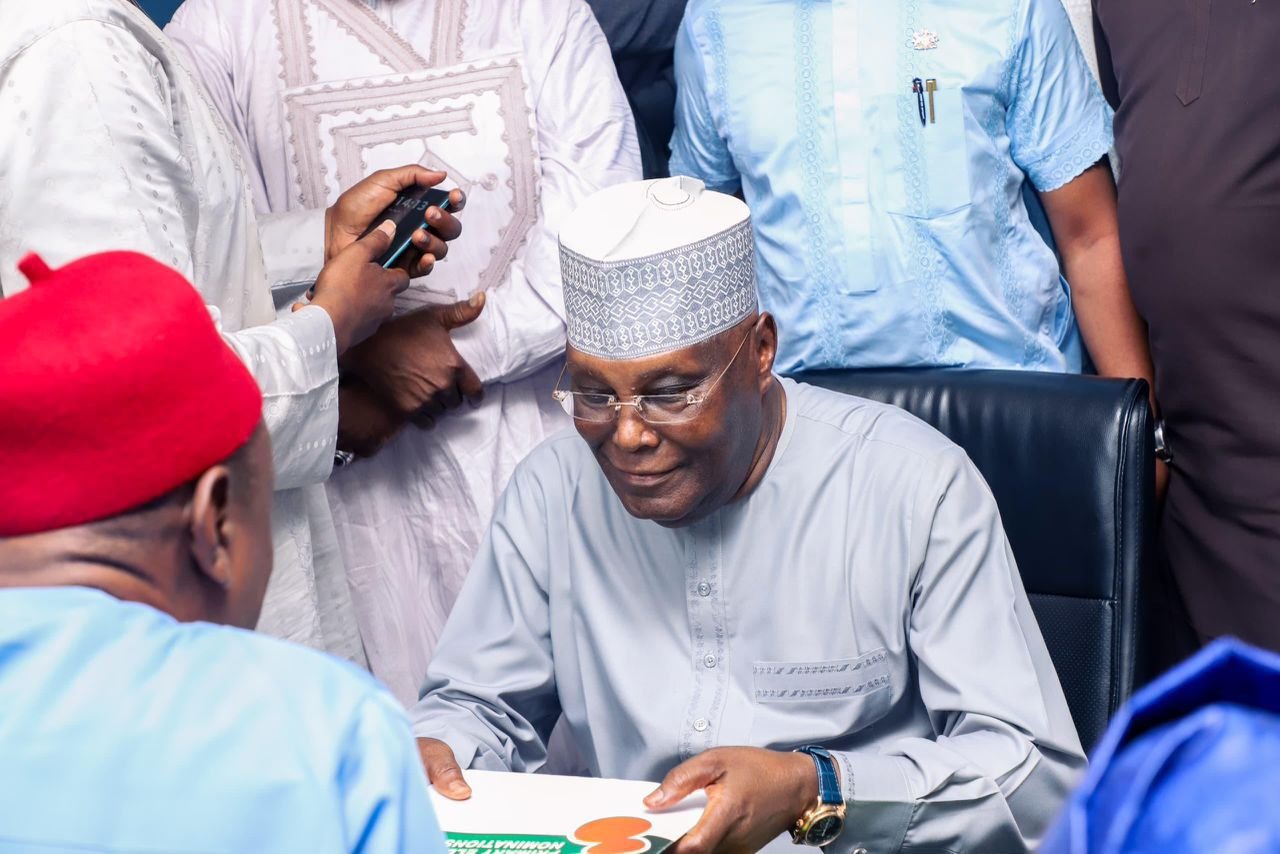
Former Vice President Atiku Abubakar has formally submitted his presidential nomination form at the headquarters of the African Democratic Congress, marking a decisive step in what his supporters describe as a renewed push to rebuild Nigeria.
The submission on Tuesday signals the start of a coordinated campaign under the ADC platform, with Atiku positioning himself as the candidate to unify a fragmented political landscape ahead of the next general election. Party officials and grassroots mobilizers who gathered at the party secretariat described the event as both symbolic and strategic, noting the broad coalition of youth groups, professionals, and community leaders present.
What stands out in this phase of Atiku’s campaign is the momentum building across Nigeria’s six geopolitical zones. Town halls, ward meetings, and digital organizing efforts have reported increased attendance and volunteer sign-ups in recent weeks. The message resonating with supporters is consistent: a call for leadership defined by experience, policy depth, and a commitment to inclusive governance.
“People are talking again about what competent, purposeful leadership can do for the economy, for security, and for national cohesion,” said a party coordinator in Kano. “There’s a belief that Nigeria can reset its trajectory if the right leadership is in place.”
Atiku’s political career spans decades in both the public and private sectors, including his tenure as Vice President from 1999 to 2007. His policy proposals have centered on economic diversification, job creation, restructuring for greater subnational autonomy, and strengthening institutions to tackle corruption and insecurity.
The ADC platform has emerged as a rallying point for voters seeking an alternative to the two dominant parties. Analysts note that the party’s openness to coalition-building has allowed Atiku to consolidate support from disillusioned members of other political groups, civil society actors, and first-time political participants.
In the North East, North West, South, and South East, local chapters report that the submission of the nomination form has energized volunteers and donors. On social media, hashtags tied to the campaign have trended intermittently, driven by youth-led content creators and policy-focused advocacy groups.
“This isn’t just about one man,” said a youth leader in Lagos. “It’s about a generation saying we want a government that listens, plans, and delivers. The movement is getting stronger because the message is clear.”
With the nomination form submitted, the campaign’s next phase is expected to focus on policy rollouts, regional town halls, and consolidation of alliances before the party primaries. Party strategists say the goal is to present a platform that addresses inflation, unemployment, power shortages, and insecurity with measurable timelines.
For many Nigerians engaging with the process, the prevailing sentiment is one of cautious optimism. After years of economic strain and security challenges, the idea that competent and inclusive leadership could restore public confidence has become a central theme of public discourse.
As the political calendar advances, Atiku Abubakar’s campaign will be tested on its ability to translate momentum into votes. For now, the submission at ADC headquarters marks more than a procedural step — it represents a movement that continues to expand, fueled by the belief that Nigeria’s next chapter can be written differently.
Jagindi is a public affairs analyst and digital media publisher write from Abuja via jagindi2016@gmail.com
About the Author