By Aisha Cole | Lagos, Jan. 9, 2026
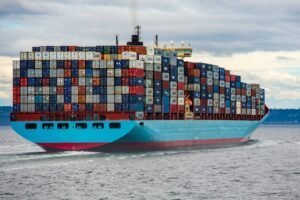
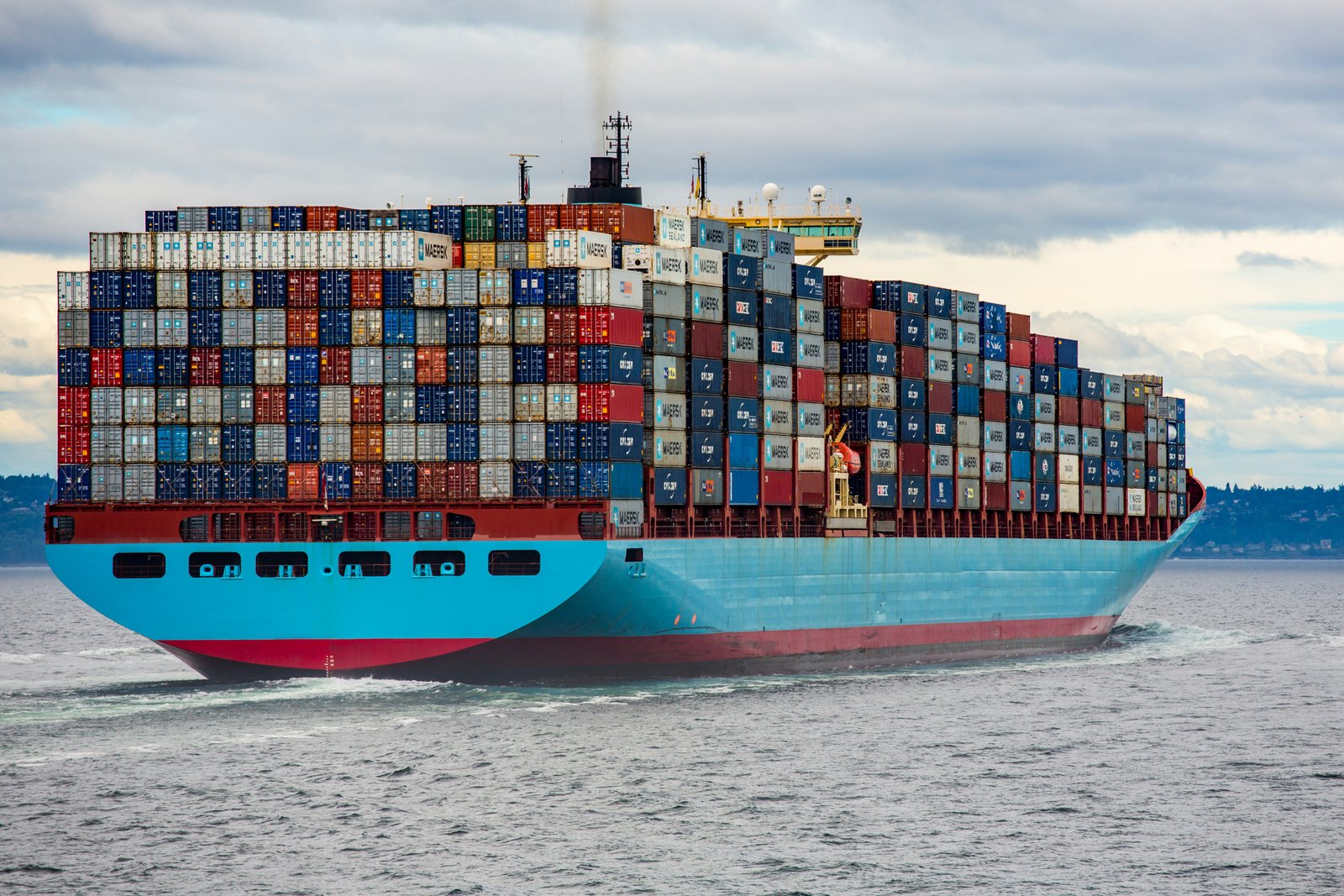
A significant concentration of maritime activity at Nigeria’s premier port complex offers a revealing snapshot of the nation’s economic priorities and supply chain dynamics. According to the Nigerian Ports Authority (NPA), twenty-four vessels are currently offloading a diverse range of commodities at the Apapa, Tin-Can Island, and Lekki Deep Sea ports in Lagos.
The composition of these cargoes is particularly telling. The ships are discharging essential commodities that fall into three critical categories:
- Energy & Fuels: Petrol (Premium Motor Spirit), diesel (Automotive Gas Oil), bulk gas (likely Liquefied Petroleum Gas or LNG), and crude oil. This continuous inflow is vital for maintaining national energy security and keeping the economy functional, highlighting Nigeria’s ongoing reliance on both imported refined products and its own crude oil exports.
- Food & Agricultural Inputs: Bulk wheat, bulk sugar, and palmolien (palm oil). These imports underscore persistent gaps in domestic agricultural production and processing capacity, making the ports a crucial gateway for national food security.
- Industrial & General Goods: Bulk urea and bulk fertilizer (critical for the farming season), bulk salt, general cargo, and containers carrying manufactured goods. This reflects the import-dependent nature of much of Nigeria’s industry and retail sectors.
This immediate activity is just one part of a larger logistical wave. The NPA further reports that 42 additional ships, laden with similar essential goods, are scheduled to arrive at Lagos ports between today and January 21st. Their expected cargo—including raw oil, fresh fish, and more bulk wheat—reinforces the trends seen in the currently discharging vessels.
Furthermore, a queue is forming, indicative of port throughput capacity. Fourteen ships have already arrived and are anchored, waiting to berth with commodities like bulk fertilizer, fresh fish, and more petrol. This “waiting to berth” status is a key metric for port efficiency and can signal congestion, which has direct implications for the cost and timeliness of goods reaching the market.
Context and Implications: More Than Just Numbers
While this data appears as a routine shipping update, it provides deeper insights into Nigeria’s economic engine:
- Lagos as the Nation’s Economic Artery: Over 70% of Nigeria’s seaborne trade flows through the Lagos port complex. This activity directly fuels commerce across the entire country, making port efficiency a national economic imperative.
- The Foreign Exchange Dimension: Virtually all these imported goods are paid for in foreign currency. The consistent high volume of imports, especially for food and fuel, exerts continuous pressure on the nation’s foreign exchange reserves and the value of the Naira.
- Infrastructure Stress Test: The arrival of over 80 ships (current, waiting, and expected) within a two-week period represents a significant stress test for port infrastructure, road networks, and logistics corridors. The efficiency of this discharge and evacuation process directly impacts inflation, as delays add to the final cost of goods.
- Strategic Shift to Lekki: The inclusion of the Lekki Deep Sea Port in this report is notable. As a newer, deeper, and more automated facility, it is designed to handle the largest container vessels and reduce congestion at the older Apapa and Tin-Can ports. Its activity signals a gradual modernization of Nigeria’s port infrastructure.
In essence, this report from the NPA is a real-time pulse check on Nigeria’s trade health. The steady stream of vessels carrying fuel and food highlights both the nation’s consumption needs and its production challenges. For businesses, investors, and policymakers, such data is crucial for forecasting market supply, understanding logistical bottlenecks, and planning for economic stability. The true story is not just that 24 ships are discharging, but what they are discharging and what that reveals about the state of the nation.
Source: News Agency of Nigeria (NAN). Edited by Sandra Umeh.
About Author