In a move that underscores the volatile nature of Nigerian politics, Mr. Ikenga Ugochinyere, the federal lawmaker representing Ideato North and South Constituency in Imo State, has formally defected from the opposition Peoples Democratic Party (PDP) to the Action Peoples Party (APP). The defection, announced at a rally in Akokwa on January 7, 2026, is not merely a change of party affiliation but a narrative laden with allegations of internal sabotage, physical violence, and a quest for political survival.

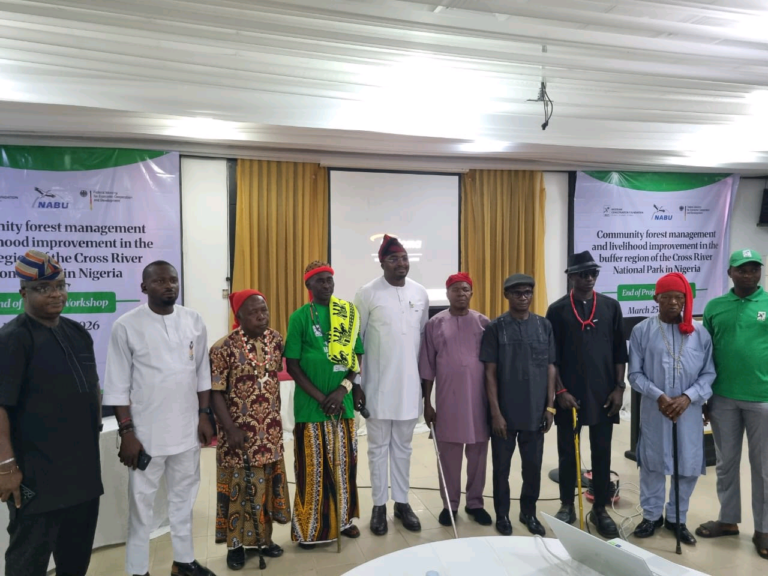
Picture shows supporters of Rep. Ikenga Ugochinyere at the rally in Akokwa, Imo, where the lawmaker announced his defection.
Report by Peter Okolie
Akokwa (Imo), Jan. 7, 2026 (NAN)
The Stated Reasons: A Catalogue of Grievances
Ugochinyere’s departure from the PDP is framed around what he termed “irreconcilable differences” with the party’s national leadership. However, his speech revealed a deeper, more contentious rift. He presented a chronology of grievances that paints a picture of a politician under siege from both within and outside his party:
- Legal Warfare: “From day one we started with PDP till this afternoon, we are still in court,” he stated, highlighting a relationship defined by litigation. He claimed the party initially disqualified him from its primaries and later pursued a court order to declare his seat vacant—a severe intra-party maneuver typically reserved for members who have defected, not for those still nominally within the fold.
- Alleged Abandonment in Crisis: The lawmaker alleged a profound failure of solidarity from the PDP during “periods of intense political hostility.” He cited the destruction of his billboards, the arrest of his supporters, and even assassination attempts, claiming the party offered “not even a statement” of support. This point speaks to a core expectation in Nigerian politics: that a party machinery should protect its key figures, especially during elections and in volatile regions.
- Judicial Harassment: Ugochinyere claimed to be facing 28 “trumped-up charges” designed to derail his career. Furthermore, he lamented that despite providing evidence to security agencies concerning an attack on his property on January 13, 2023, no perpetrators had been prosecuted. This raises critical questions about the weaponization of the judiciary and security apparatus for political ends, a recurring concern in Nigeria’s political landscape.
The New Haven: Why the Action Peoples Party (APP)?
In declaring the APP as the “only stable platform in Nigeria today,” Ugochinyere made a significant strategic claim. The APP, while a registered political party, is not one of Nigeria’s dominant political forces. His description of it as a party that “rewards hard work with electoral victory and defends the sanctity of the ballot box at all cost” is a direct critique of the internal nomination processes and election-day integrity issues he implies plague the PDP. His move suggests a calculation that a smaller, more controllable platform may offer a clearer path to re-nomination and re-election than remaining in a large party where he feels ostracized by the leadership.
Beyond the Defection: Broader Political Signals
The rally transcended a simple party switch. Ugochinyere used the platform to issue pointed warnings that connect his local struggles to national politics:
- A Warning to Nyesom Wike: He specifically cautioned the influential FCT Minister against “talking down” on the President-General of Ohaneze Ndigbo, calling it a “red line.” This interjection is deeply symbolic, positioning Ugochinyere as a defender of Igbo respect within the national polity and indirectly challenging the influence of Wike, a former PDP governor now serving in a Tinubu-led APC government.
- Appeal for Federal and International Attention: The lawmaker vowed to seek international intervention regarding alleged atrocities in Imo State and explicitly urged President Bola Tinubu to “call Wike to order.” He also called on the Inspector-General of Police to address the political violence in Imo. These appeals indicate a strategy to nationalize and internationalize his local political battles, seeking leverage beyond the state’s borders.
Context and Implications
The presence of APP governorship aspirant Chima Amadi and, notably, PDP Board of Trustees member Rufus Omeire (who attended in solidarity) reveals the complex, fluid alliances in Imo politics. Omeire’s call for opposition unity against the ruling All Progressives Congress (APC) in the state suggests that for some, Ugochinyere’s defection is less about APP vs. PDP and more about a broader coalition against a common foe.
In essence, this defection is a microcosm of Nigeria’s political challenges: internal party democracy deficits, the vulnerability of politicians without strong godfathers, the troubling nexus of political violence and inadequate judicial redress, and the constant realignment of alliances based on survival rather than ideology. Ugochinyere’s move to the APP is a high-stakes gamble for political relevance, setting the stage for the next electoral battle in Ideato and contributing to the evolving opposition dynamics in Imo State.
Edited by Maureen Ojinaka
OPC/OJI/USO
About Author