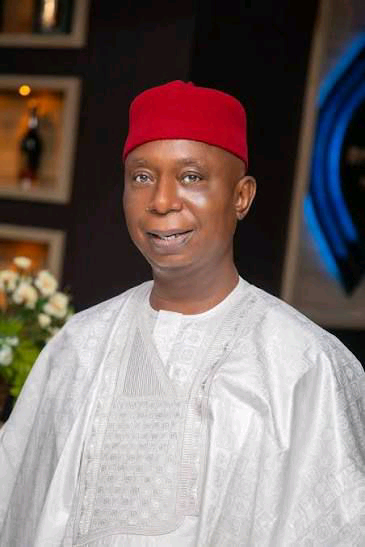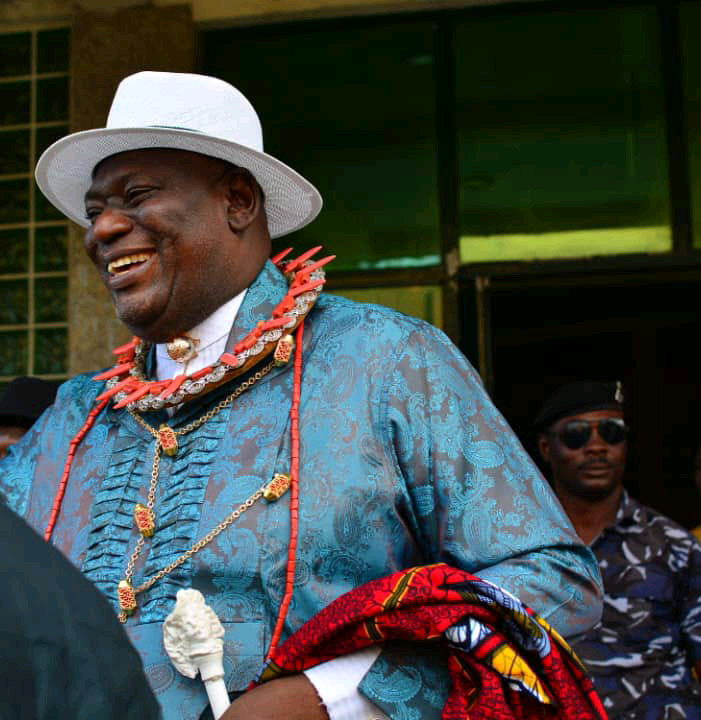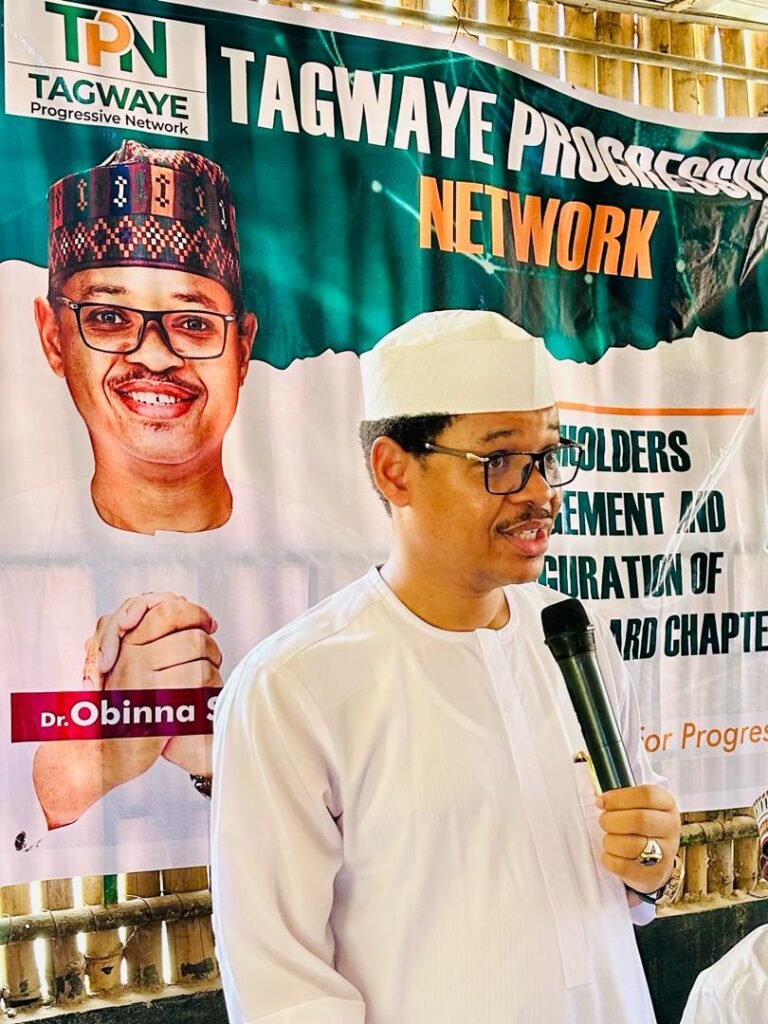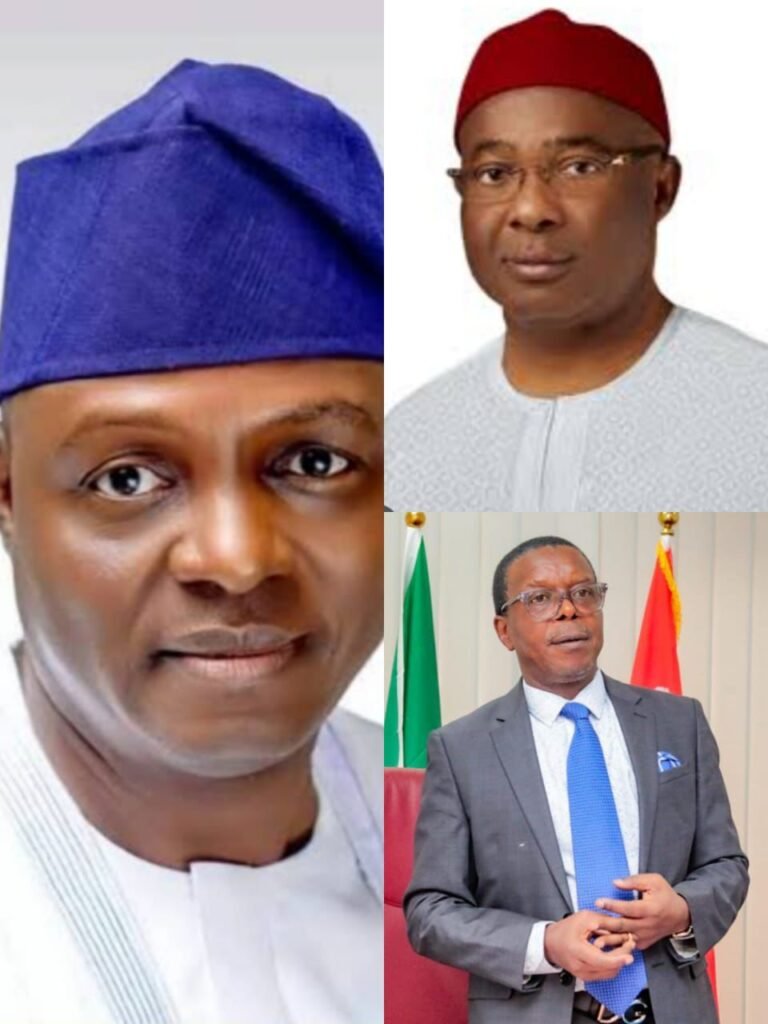
In a significant political gesture signaling a potential regional realignment, Imo State Governor and Chairman of the South-East Governors’ Forum, Hope Uzodinma, visited Abia State Governor Alex Otti on New Year’s Day. The meeting, held at Otti’s country home in Nvosi, transcended a mere courtesy call, evolving into a public reaffirmation of a collective commitment to regional cooperation and unambiguous support for President Bola Tinubu’s federal government. [[PEAI_MEDIA_X]] This development marks a notable shift in the political discourse of a region historically grappling with questions of integration and federal relations.
Governor Uzodinma framed the visit as a cornerstone of a renewed strategy among South-East leaders. “This is a new year, 2026, and as leaders of the South-East, we are determined to develop our region through collaboration,” he stated. This declaration moves beyond platitudes, pointing to a pragmatic understanding that the region’s pressing challenges—from infrastructure deficits and security concerns to unlocking economic potential—require a unified front. The Forum’s discussions reportedly centered on tangible governance priorities: synchronizing policies on security, harmonizing economic development plans, and sharing best practices to improve citizen welfare. This collaborative model is essential for a region whose economic vitality is often hampered by internal disunity and inconsistent policy environments across state lines.
The most politically charged dimension of Uzodinma’s remarks was his unequivocal endorsement of President Tinubu and dismissal of opposition realignments ahead of the 2027 elections. He presented Tinubu as a “brand” whose “achievements in the economy, security, policies and social interventions speak clearly.” This stance is particularly insightful when analyzed against the complex political tapestry of the South-East, where voter sentiment has often diverged from the national ruling party. Uzodinma’s assertion that all five governors are “united in supporting Tinubu’s policies and good governance initiatives” suggests a concerted effort to align the region’s political machinery with the center, potentially aiming to secure greater federal projects and influence. [[PEAI_MEDIA_X]]
Perhaps the most profound statement was the explicit rejection of identity-based politics. “We have decided to stop tribal politics. We are Nigerians first before any other identity,” Uzodinma declared. This rhetoric seeks to redefine the region’s political narrative, moving it from a framework of ethnic negotiation to one of national citizenship. In a Nigerian polity often fractured by primordial loyalties, this represents a bold, if challenging, ideological pivot. It attempts to bridge the gap between Igbo socio-cultural identity and a proactive, integrative Nigerian citizenship.
Governor Alex Otti’s response provided crucial context and nuance. While welcoming the fraternal visit, he offered a constitutionalist perspective on governance. “Government is one. You cannot claim opposition to a government you are constitutionally part of,” Otti stated, drawing a critical distinction between partisan opposition and administrative integration. His comments clarify that cooperation on governance does not necessitate the abandonment of political pluralism. [[PEAI_MEDIA_X]] “You may disagree, but once decisions are taken, everyone remains part of the system,” he added, underscoring a philosophy of constructive engagement within the federal structure. His recollection of the shared history between Abia and Imo—”We were once one state. Boundaries do not divide us.”—reinforced the underlying cultural unity that forms the bedrock for this new political cooperation.
This meeting carries substantial implications. First, it projects an image of a cohesive South-East leadership bloc, which could strengthen its bargaining power in national affairs. Second, it signals to the federal government a willing partnership, potentially facilitating a more collaborative approach to addressing regional insecurities and developmental needs. Finally, it presents a new political calculus to the South-East electorate, emphasizing pragmatic governance and national integration over older patterns of protest voting. The true test, however, will be whether this declared unity translates into concrete, cross-state projects, a stronger collective voice in Abuja, and tangible improvements in the lives of the people they serve. The governors’ call for accurate media reporting is a recognition that they are not just managing policies, but actively attempting to reshape a long-standing political narrative. [[PEAI_MEDIA_X]]
About Author