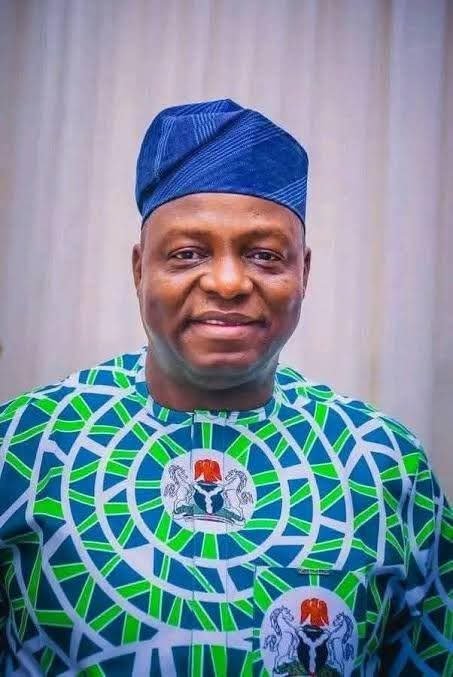
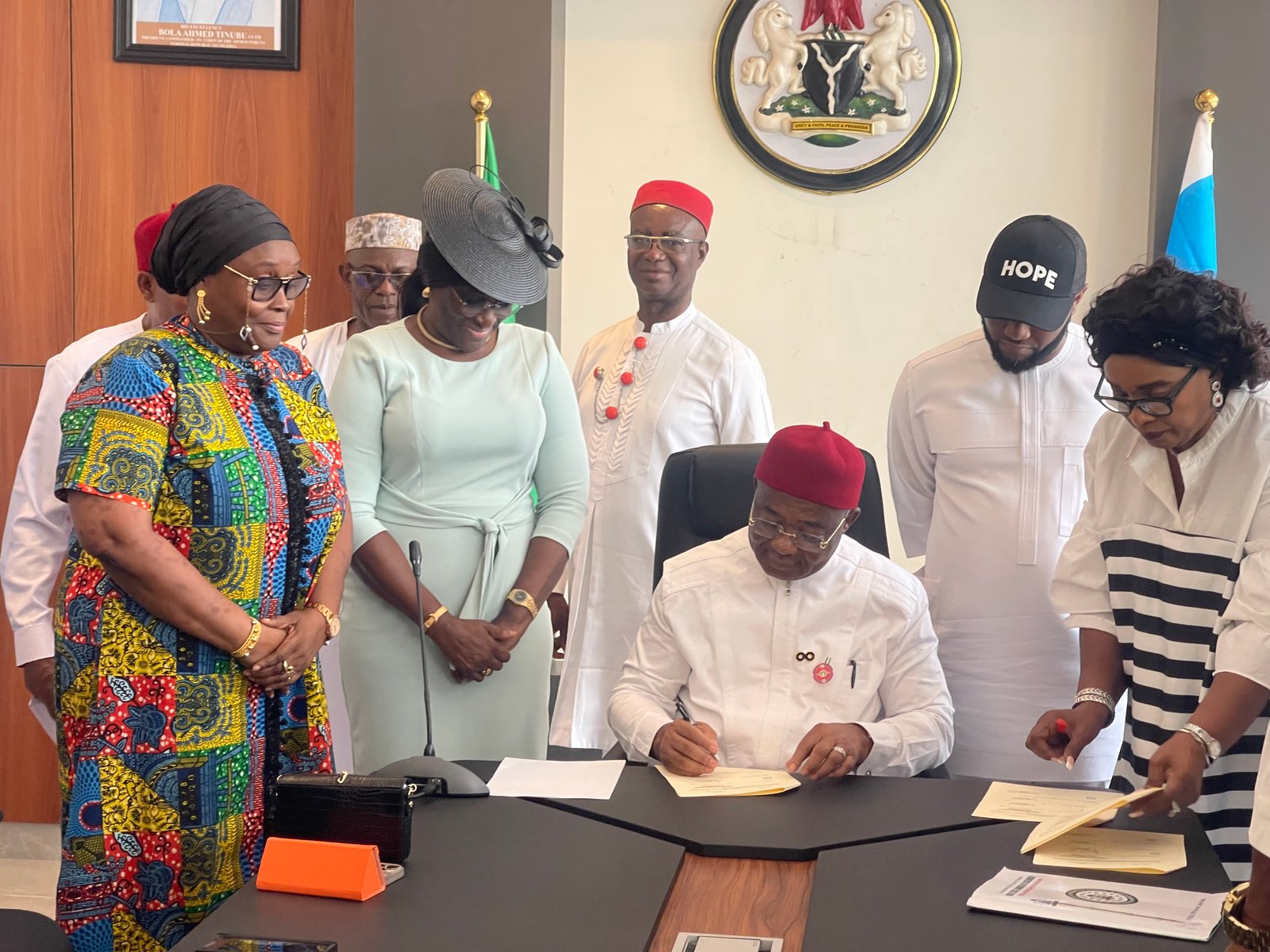
In a move that finalizes the state’s financial blueprint for the coming year, Governor Hope Uzodinma of Imo State has enacted the 2026 Appropriation Bill into law. The signing ceremony, held at the new Government House Annex in Orlu on December 31, 2025, marks the transition of the N1.43 trillion “Budget of Economic Breakthrough” from a proposal to a binding fiscal document.
From Proposal to Law: A Swift Legislative Process
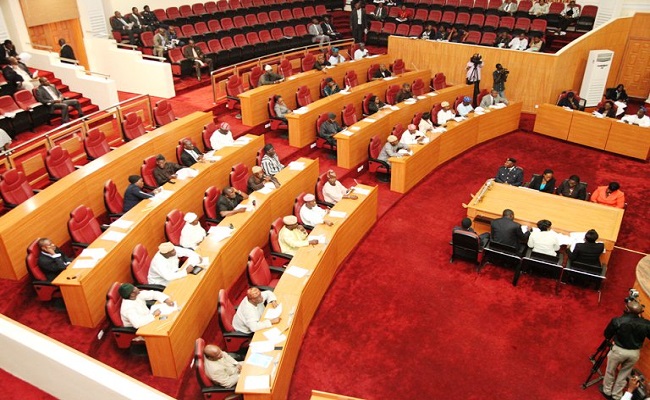
The budget’s journey was notably expeditious. Governor Uzodinma presented the N1.43 trillion estimate to the Imo State House of Assembly on December 23. In a rare display of legislative alignment, the lawmakers approved the budget without altering the figures on December 24, allowing for its signing just one week after its initial presentation. The governor acknowledged this swift passage, thanking the Assembly for their diligence in meeting the constitutional requirement of checks and balances.
Context and Ambition: Decoding the “Budget of Economic Breakthrough”
The sheer scale of the budget—N1.43 trillion—demands context. To appreciate its ambition, one must consider Imo State’s recent fiscal history and its revenue profile, which is heavily influenced by federal allocations and internally generated revenue (IGR). The title “Economic Breakthrough” suggests a strategic focus on capital projects and investments designed to stimulate long-term growth, rather than merely recurrent expenditure. This aligns with the governor’s pledge to complete all ongoing projects before the end of his term, signaling a shift from initiating new ventures to consolidating existing ones for tangible delivery.
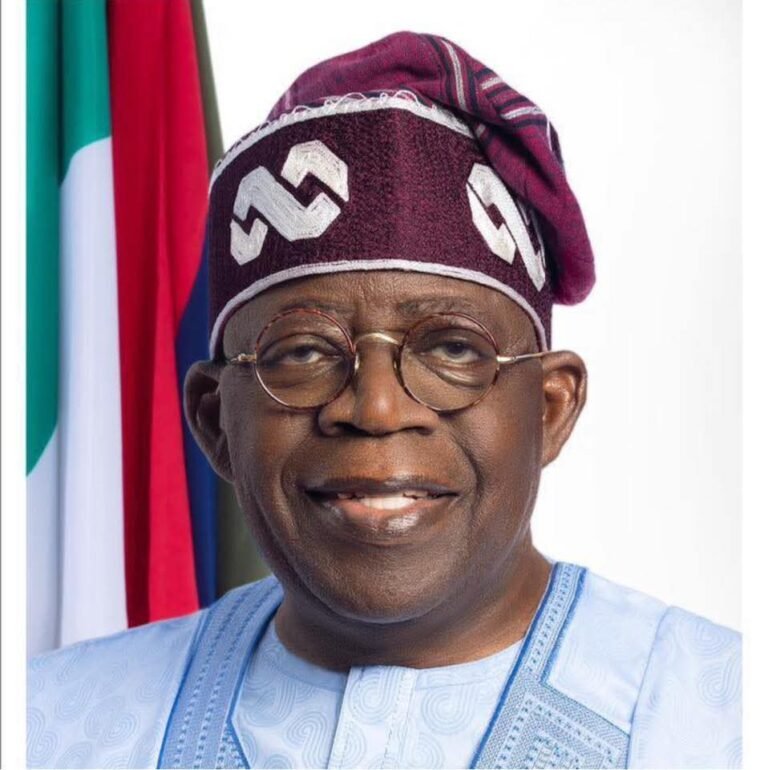
In his remarks, Governor Uzodinma provided a crucial, often overlooked perspective on public finance: “We must now go to work and make this money before we can spend it for our people.” This statement underscores the reality that a budget is an authorization to spend, not a guarantee of funds. It places significant emphasis on the state’s capacity to improve its IGR and secure its share of federal resources. His gratitude to the Tinubu-led Federal Government for “providing the enabling environment for states… to make more money” hints at broader national economic policies, such as fiscal federalism adjustments or reforms, that impact state coffers.
The Implementation and Oversight Challenge
The signing of the bill is merely the beginning. The true test lies in its execution. Deputy Speaker Mr. Amara Iwuanyanwu addressed this directly, assuring “a more robust monitoring of the implementation.” Effective oversight is critical to prevent budget padding, ensure funds are released as scheduled, and verify that projects are executed to specification. The public will watch to see if this legislative monitoring translates into transparent quarterly budget performance reports and public hearings.
Stakeholders and Symbolism
The presence of the Deputy Governor, the Acting Chief Judge, the full State Executive Council, and Assembly members at the signing was not merely ceremonial. It represented a unified front of the state’s executive, judiciary, and legislature at the commencement of a major fiscal cycle, symbolizing collective responsibility for the budget’s success.
As Imo State steps into 2026, the “Budget of Economic Breakthrough” sets a high bar. Its impact will be measured not by the figure of N1.43 trillion, but by the efficiency of its implementation, the completion of promised projects, and its tangible effect on the economic well-being of Imo residents. The commitment to judicious use of resources, now a matter of public law, awaits its real-world examination.
Reported by Victor Nwachukwu for NAN. Edited by Maureen Atuonwu.
Source link
About Author