By Victor Okoye, News Agency of Nigeria (NAN)
In the cool evening air of Fès, Morocco, a classic tournament dichotomy will play out. Nigeria’s Super Eagles, their passage to the Africa Cup of Nations (AFCON) 2025 knockout rounds already secured, face a Uganda Cranes side for whom the match is a final, a desperate last stand for survival in Group C. This is more than a fixture; it’s a clash of psychological states—calculated comfort versus raw desperation—framed by one of Nigeria’s most historically awkward rivalries.
For Coach Eric Chelle’s Nigeria, the calculus is complex. Victory ensures top spot in the group, a prize that typically offers a theoretically easier knockout path. However, the primary objectives are momentum preservation, squad management, and avoiding injuries or suspensions to key players. Chelle’s comment that “this competition is not for eleven players” signals an expected rotation, offering fringe players crucial tournament minutes while protecting core assets. The challenge is maintaining competitive edge amidst this rotation—a trap that has ensnared many qualified teams before.
Uganda’s predicament is starkly binary. With just one point from two matches, only a win gives them a realistic chance of progression. Their campaign has been a tale of grit undermined by profligacy. Veteran goalkeeper and captain Denis Onyango has been a bastion of resilience, but missed chances—epitomized by Allan Okello’s failed penalty—have left them cornered. Coach Paul Put’s side has shown spirit, with impactful substitutes like Denis Omedi and Uche Ikpeazu providing late goals, but they now require a complete, 90-minute performance against continental royalty.
The historical context adds a compelling layer of tension that belies the current standings. Uganda is not a typical underdog for Nigeria. The Cranes’ stunning 2-1 victory over the Green Eagles in the 1978 AFCON semi-final in Kumasi remains a poignant footnote in Nigerian football history. The overall head-to-head record is sobering for the three-time champions: Uganda has won four of the eight meetings, drawing two and losing only twice. This includes competitive qualifying victories over Nigeria. As Put noted, “football is not played on paper,” and this historical precedent is the heavy paperweight on Uganda’s side of the ledger.
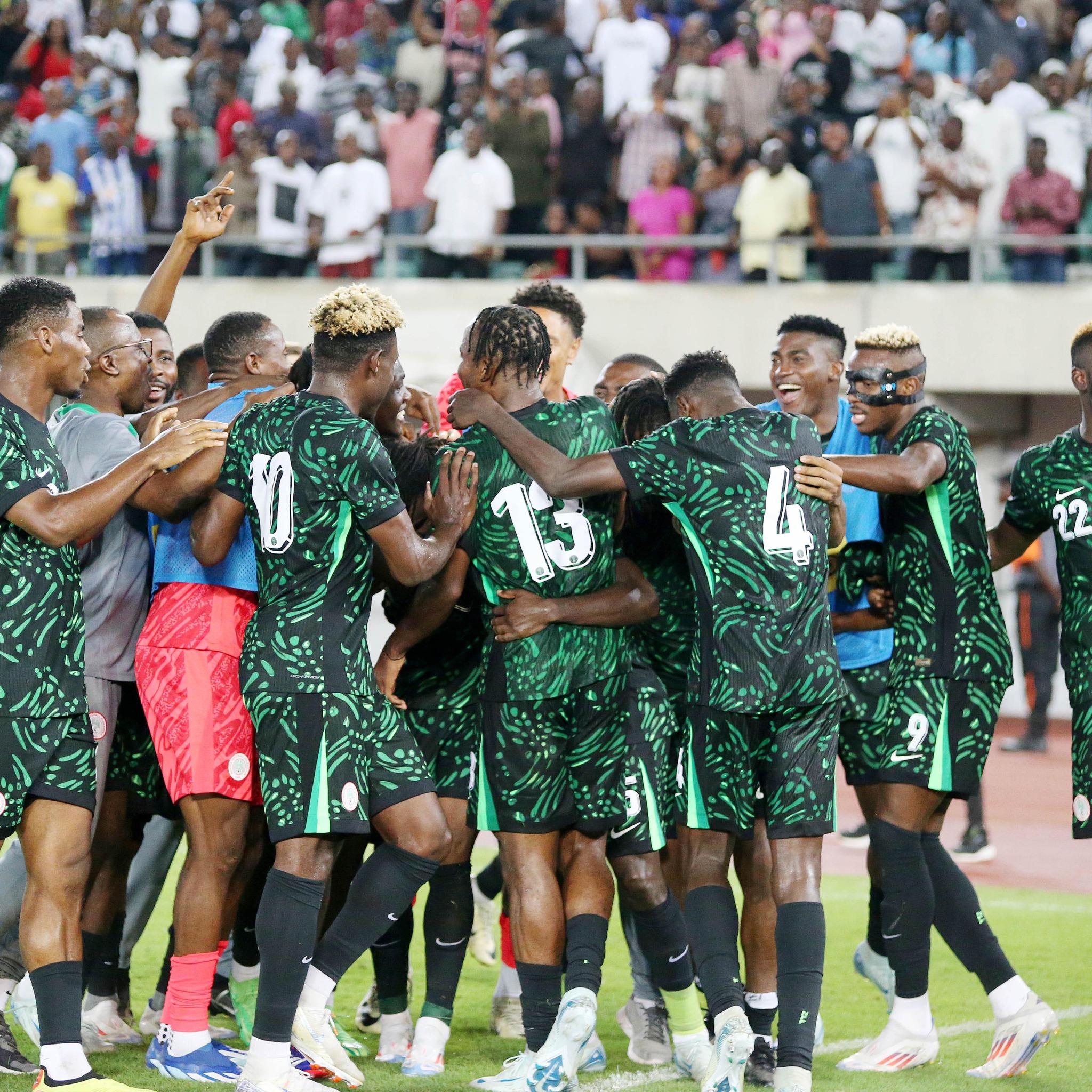
Tactically, the match presents a fascinating duel. Nigeria’s strength flows through a dominant midfield axis. Captain Wilfred Ndidi provides the defensive shield and tactical discipline, while Alex Iwobi orchestrates the tempo, linking play to a potent attack. That attack is led by the tournament’s early standout, Ademola Lookman. With two goals and two assists already, Lookman has been directly involved in a goal every 68 minutes in Morocco, showcasing a maturity and decisiveness that cements his status as a continental force. Celebrating his 27th birthday, Victor Osimhen remains the perpetual menace—his 32 international goals a testament to a relentless, high-octane style that Chelle rightly describes as “dangerous for opponents.”
Uganda’s hope lies in disrupting this rhythm. They must be compact, deny Iwobi space and time, and exploit any potential lack of sharpness from rotated Nigerian players. Their route to goal likely depends on set-pieces, relentless pressing to force errors, and the impactful energy of substitutes like Omedi. Put’s mantra will be defensive discipline married to rare, clinical efficiency in transition. As he warned, hesitation will be punished.
Ultimately, this fixture is a narrative of two different kinds of pressure. Nigeria shoulders the pressure of expectation and the weight of history—the pressure to uphold a formidable 16-tournament knockout streak and to finally convert consistent group-stage prowess (just one loss in 16 matches) into a first AFCON title since 2013. Uganda faces the visceral, immediate pressure of extinction from the tournament.
As the teams walk out at the Complex Sportif de Fès, they carry not just their nations’ hopes, but the legacy of a 47-year rivalry. For Uganda, it is a call to arms, a chance to resurrect the spirit of 1978. For Nigeria, it is an exercise in tournament intelligence—a step that must be both confident and careful on the road to continental ambition.
***If used, please credit the writer and the News Agency of Nigeria.
About Author