In a landmark move to bridge tradition and modernity, the Katsina State Bureau of Statistics, in partnership with UNICEF, has initiated a comprehensive statewide census of Almajiri and Islamiyya schools. This ambitious data-gathering exercise, inaugurated on Saturday, December 27, 2025, represents a critical step toward evidence-based reform of a deeply rooted traditional education system.
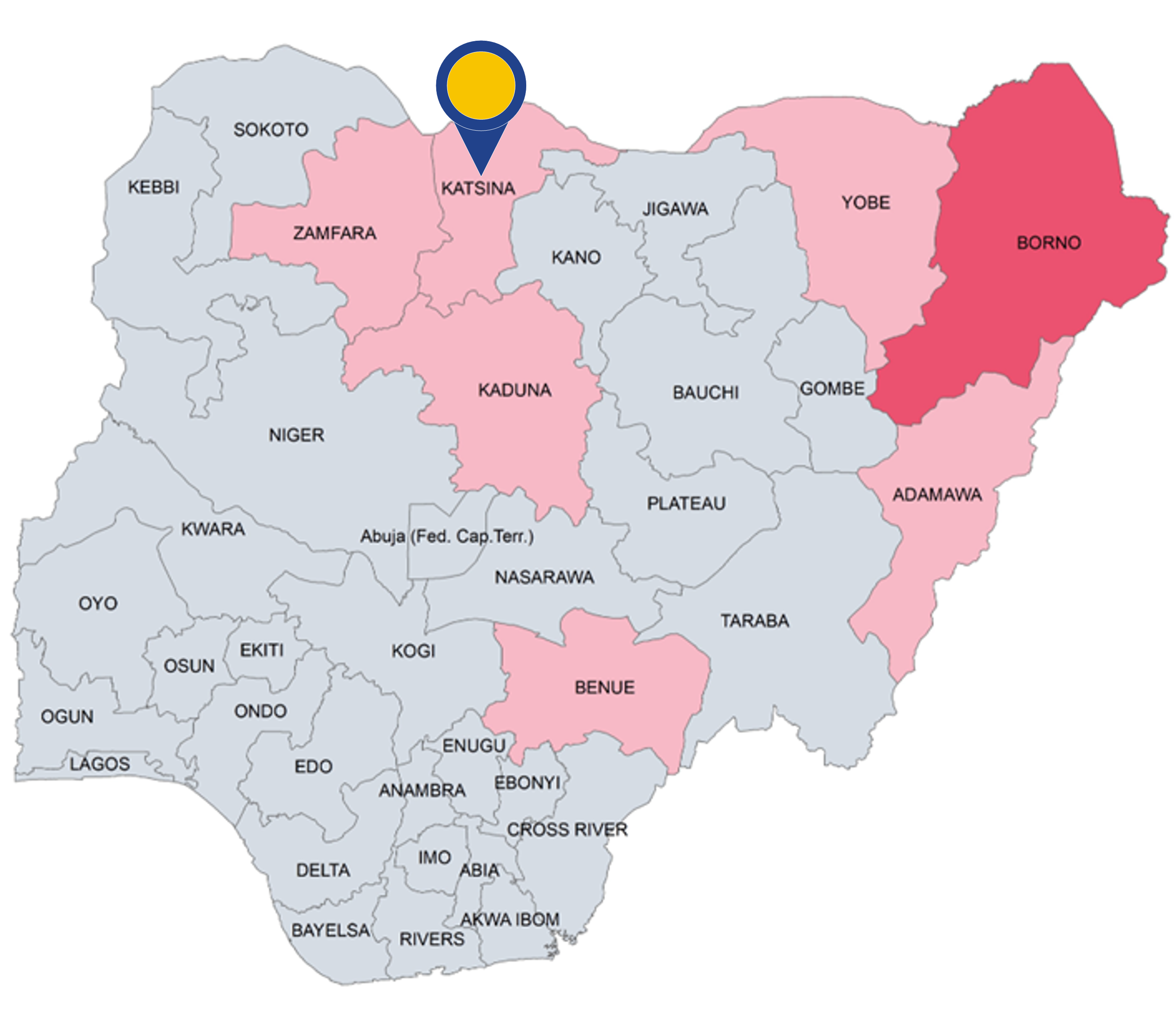
The initiative, which involves the training of 200 enumerators, aims to collect granular data across all 34 Local Government Areas. This data will form the foundation for a coordinated policy framework designed to integrate these traditional institutions into the state’s broader educational and social development plans.
Governor Dikko Umaru Radda, represented by his Special Adviser, Dr. Tasi’u Dandagoro, framed the census as more than an administrative task. He described it as a crucial intervention for social justice and inclusive development. “The Almajiri system is an indelible part of our heritage in Katsina, a cradle that has nurtured moral discipline, religious knowledge, and produced countless leaders and technocrats through the Makarantar Allo (slate school) legacy,” Radda stated. He invoked the historical symbolism of the Gobarau Minaret, a centuries-old center of Islamic learning in Katsina, to underscore the system’s profound cultural significance.
However, the governor acknowledged the system’s contemporary challenges with striking clarity. “Rapid social change and modernization have strained the traditional community support structures that once sustained these schools,” he noted. This has often led to vulnerabilities for the children, including issues of child welfare, protection, and gaps in secular education. The census, therefore, is a strategic response to this complex reality—an effort to obtain dependable data that can guide targeted, sustainable, and culturally sensitive reforms.
The officials involved detailed the census’s practical scope and its intended impact. Commissioner for Budget and Economic Planning, Alhaji Malik Anas, emphasized its role in child protection and inclusive development. “Reliable data is the first step toward empowerment,” he said. “It allows us to move from blanket approaches to targeted policy interventions that directly support the learners, the Malamai (teachers), and their host communities.”
Statistician-General, Professor Saifullahi Sani, outlined the comprehensive nature of the database being built. It will extend beyond simple headcounts to capture critical variables: detailed enrolment figures, teacher qualifications and numbers, infrastructure conditions (such as classroom availability, water, and sanitation), and crucially, insights into the livelihoods and welfare of the pupils. “Our goal is to strengthen the core of Qur’anic education while ensuring no child is left behind,” Prof. Sani explained. “This data will enable us to design support mechanisms—whether in curriculum integration, teacher training, nutritional programs, or infrastructure upgrades—that are precisely tailored to documented needs.”
This collaborative effort between Katsina State and UNICEF signals a shift from decades of policy debate and often fragmented interventions toward a structured, data-driven methodology. The success of this census could provide a replicable model for other northern Nigerian states grappling with how to honor cultural and religious educational traditions while fulfilling the state’s duty to ensure the rights, safety, and holistic development of every child. The ultimate aim is to transform the Almajiri system from a perceived social challenge into a robust, dual-curriculum platform that produces both spiritually grounded and academically equipped citizens.
Edited by Modupe Adeloye/Abiemwense Moru
About Author