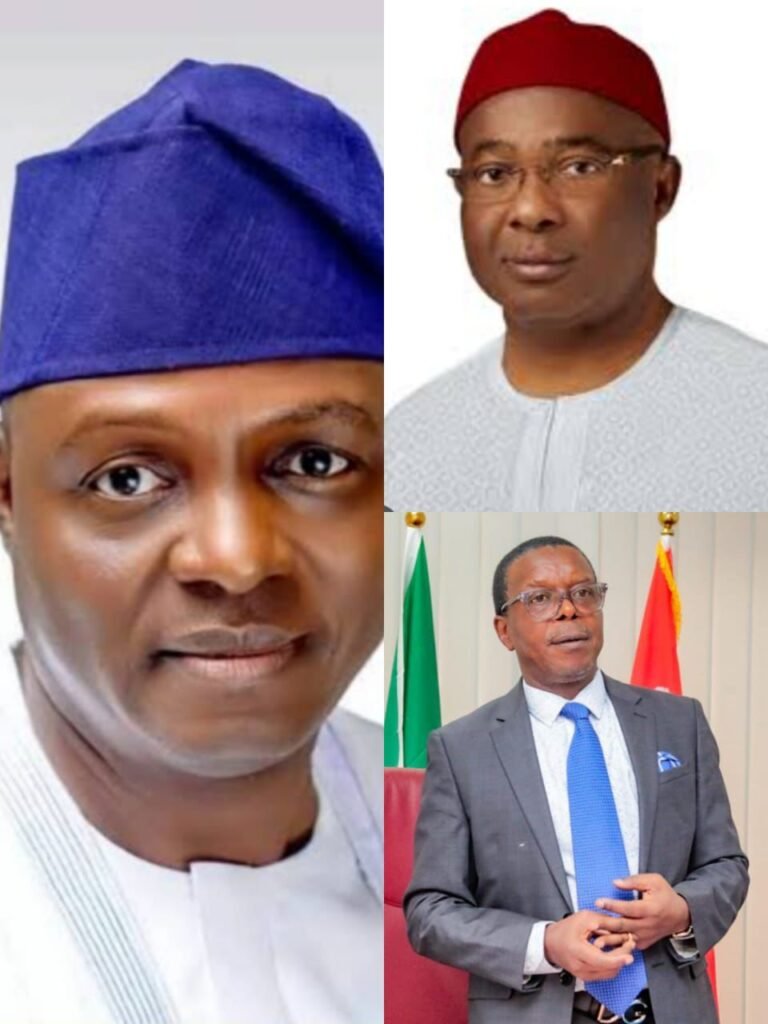
In a decisive move to curb traffic chaos and ensure accountability, the Federal Government has issued a stern directive prohibiting the unauthorized closure of any federal road or project site. The Minister of Works, David Umahi, announced this policy during a press conference in Abuja, framing it as a critical component of a broader, aggressive reform agenda within the ministry.
Zero Tolerance for Unauthorized Closures
Minister Umahi emphasized that all road closures must strictly follow formal procedures and contractual terms, requiring explicit approval from the Federal Ministry of Works. He identified several strategic corridors as permanently off-limits for shutdowns, including the vital Abuja-Kano route, the Abuja–Lokoja road, and the Sokoto–Zamfara–Katsina axis. “You don’t just close and open sites at will,” Umahi stated. “Some projects cannot close under any circumstance. We must protect lives and keep roads motorable.” This directive directly addresses a chronic issue where contractors or local authorities close major highways for construction or other reasons without proper coordination, exacerbating gridlock and economic disruption.
Financial Overhaul and Debt Verification
In a significant financial update, the minister revealed that President Bola Tinubu has approved the settlement of NNPC-funded certificates worth N263 billion. However, in a major structural shift, the NNPC is being exited from the funding arrangement. “We are not cancelling contracts, but since they are no longer funded by NNPC, we have to exit the agreement,” Umahi explained. A committee chaired by Vice-President Kashim Shettima is overseeing the payment process.
Striking a note of fiscal caution, Umahi disclosed that the total inherited debt for the ministry from 2023 to date stands at approximately N2.13 trillion. To ensure the legitimacy of claims, a rigorous verification process involving anti-corruption agencies, the Budget Office, the Ministry of Finance, and the Auditor-General’s Office will be implemented. Contractors have been instructed to submit claims with verifiable evidence.
A “New Dawn”: From Office to Site
The most transformative announcement was a complete reorganization of the ministry’s operational model. Umahi declared that directors and senior officials would be relocated from their Abuja offices to project sites across the nation. “Everybody is going to the field,” he said, assigning each director direct supervisory responsibility for a major project. Performance evaluation will now be based on tangible project outcomes rather than paperwork, marking a fundamental cultural shift.
Digital-First Transparency and Anti-Corruption Measures
To enforce this new accountability, the ministry is mandating a digital overhaul. All project documents and certifications must be scanned, uploaded, and verified through new zonal project websites. Officials resistant to digital processes “risked removal.” Furthermore, every project valuation and certification must be completed within a 48-hour window, and anti-corruption agencies will be embedded in the verification process to deter graft. Contractors will also be required to formally register their personnel, equipment, and project history with the ministry.
Embracing Concrete Technology
Umahi and the Minister of State for Works, Bello Goronyo, strongly endorsed the ongoing policy shift from asphalt to concrete pavement. They described the transition as challenging but essential for long-term durability and cost-effectiveness. Goronyo urged the Federal Roads Maintenance Agency (FERMA) to adopt this “concrete innovative technology” for repairs, signaling a nationwide technical shift. “Nigerians are tired of excuses. This time, we will inaugurate roads and bridges that work, not cosmetic projects,” Goronyo asserted, capturing the reformist tone of the announcements.
Collectively, these measures represent the most comprehensive attempt in recent years to tackle systemic issues of inefficiency, opacity, and poor project delivery within Nigeria’s critical works sector. The success of this “new dawn” will hinge on consistent implementation and the political will to sustain the pressure for change.
Edited by Deji Abdulwahab
Source: NAN
About Author