In a proactive response to severe traffic disruptions, the Kogi State Police Command has initiated a major operational deployment along the critical Lokoja–Abuja highway. This vital artery, a primary conduit for travel between the South-South, South-East, and the nation’s capital, has been plagued by congestion due to ongoing construction and diversions. The strategic move aims not just to ease traffic but to fundamentally enhance public safety and prevent accidents during this challenging period.
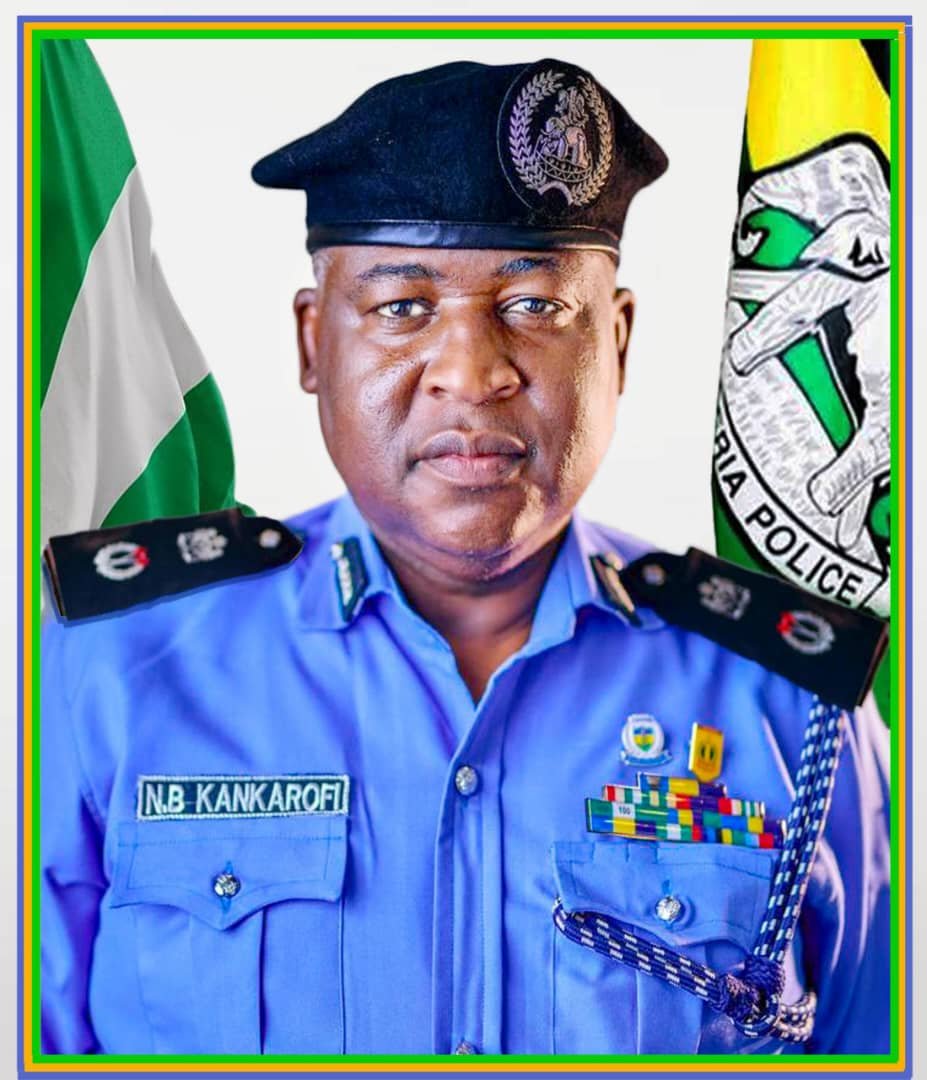
Commissioner of Police, CP Naziru Kankarofi, acting through the command’s spokesperson, CSP William Ovye-Aya, announced the deployment on Monday. The initiative is a direct countermeasure to the “increased vehicular movement” triggered by roadworks, which often force traffic into single lanes or unplanned detours, creating bottlenecks and heightening the risk of collisions.
“CP Naziru Bello Kankarofi is personally overseeing the operation in collaboration with the Federal Road Safety Corps (FRSC) Sector Commander,” Ovye-Aya stated. This high-level, inter-agency coordination is crucial. It ensures that police traffic management is aligned with the FRSC’s safety protocols and accident response mechanisms, creating a unified command structure for the highway’s crisis points.
The deployment is comprehensive, drawing from specialized units to create a layered security and traffic management presence. Personnel from the Police Mobile Force (PMF), Motor Traffic Section, and the Rapid Response Squad have been strategically positioned. This mix is deliberate: the PMF provides a visible deterrent and handles major disruptions, the Traffic Section experts manage flow and regulation, and the Rapid Response Squad ensures swift aid for emergencies or incidents.
“These personnel have been strategically positioned at critical points, diversion routes, and checkpoints to regulate traffic and respond promptly to challenges,” Ovye-Aya explained. This goes beyond mere presence; it’s about dynamic management. Officers at diversion points actively guide motorists, while checkpoints help manage the volume of vehicles entering congested sections, preventing complete gridlock.
In his directive, CP Kankarofi emphasized that officers must act with “professionalism, firmness and civility.” This triad is essential for public cooperation. Firmness ensures traffic rules are obeyed for collective safety, while professionalism and civility maintain public trust and reduce tensions that often flare in frustrating traffic situations.
The police appeal to motorists is a key component of the strategy’s success. They urge drivers to:
- Exercise Patience: Aggressive driving in construction zones is a primary cause of accidents.
- Obey Traffic Instructions: A single driver ignoring an officer’s direction can undo minutes of careful traffic sequencing.
- Observe Road Signs and Diversions: These are placed for safety and to optimize the temporary flow.
- Cooperate Fully with Officers: Their on-ground perspective is vital for real-time adjustments.
CSP Ovye-Aya reaffirmed the command’s overarching “commitment to protecting lives and property through proactive safety measures on major highways.” This deployment is a textbook example of such proactive policing—anticipating a problem exacerbated by infrastructure development and mobilizing resources to mitigate its impact on safety and commerce.
By Stephen Adeleye
Lokoja, Dec. 22, 2025 (NAN)
ASA/KTO
==========
Edited by Kamal Tayo Oropo
About Author