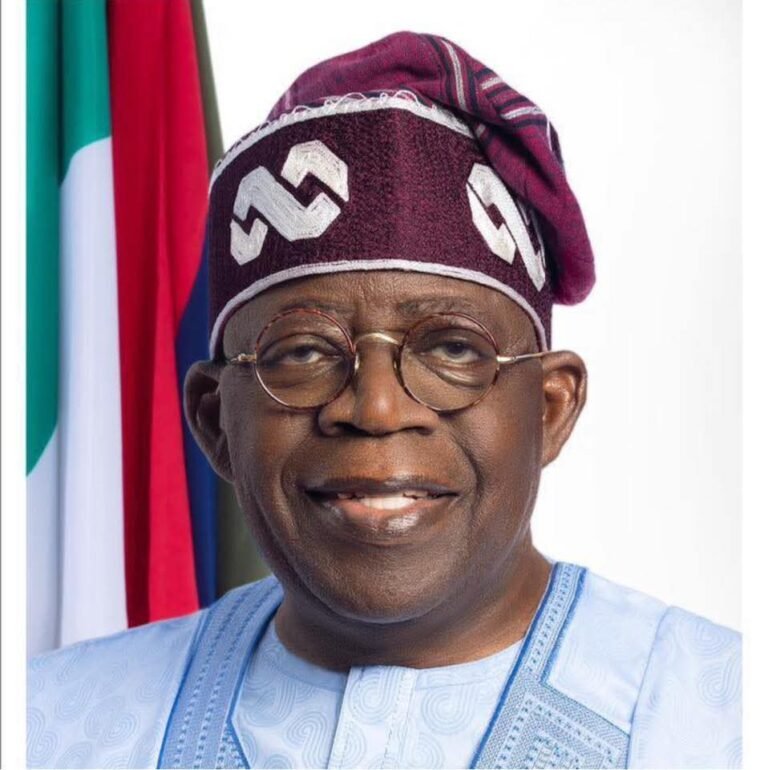
In a move signaling a critical phase of political consolidation, President Bola Tinubu convened a high-stakes meeting of the All Progressives Congress (APC) National Caucus on Thursday night. The gathering at the State House, Abuja, served as a strategic precursor to the party’s National Executive Committee (NEC) meeting scheduled for Friday, December 19, 2025.
The assembly brought together the party’s most influential figures, creating a powerful tableau of Nigeria’s current and former political leadership. Attendees included Vice President Kashim Shettima, former Vice-President Yemi Osinbajo, Senate President Godswill Akpabio, serving and former governors, National Assembly leaders, and senior stakeholders from all six geopolitical zones. This composition underscores the caucus’s role as the party’s de facto inner cabinet, where major decisions are debated before formal presentation to the broader NEC.
The core agenda, as revealed by the News Agency of Nigeria (NAN), centered on reinforcing party cohesion and harmonizing positions. In Nigeria’s political landscape, such pre-NEC caucus meetings are essential for managing factions, building consensus on sensitive issues, and preventing public discord during the official NEC session. The discussions aimed to address organizational priorities, improve state-level coordination, and align stakeholders across the federation—a crucial task for a ruling party navigating complex national challenges.
President Tinubu’s most pointed directive, however, focused on governance beyond party politics. He charged governors with prioritizing grassroots development and ensuring the full implementation of financial autonomy for local governments. His statement, “There is no autonomy without a funded mandate. We will give them their money directly,” was a direct reference to the landmark Supreme Court ruling in July 2024. That ruling declared it unconstitutional for state governors to hold funds allocated to local government areas (LGAs), a practice that had crippled local governance for decades.
This emphasis reveals a strategic pivot. By championing this implementation, Tinubu is not only aligning with judicial authority but also attempting to bypass potential state-level bottlenecks in delivering federal resources and projects directly to communities. It is a move that could reshape the balance of power in Nigeria’s federal structure and is likely a key policy plank to be ratified by the NEC.
The APC’s governance structure is hierarchical. The National Caucus, comprising the President, Vice-President, former presidents and vice-presidents from the party, governors, and zonal representatives, serves as an advisory and consensus-building body. Its agreements are then presented to the National Executive Committee (NEC)—the party’s highest statutory decision-making organ. The NEC includes the National Chairman, National Secretary, National Legal Adviser, and other elected national officers, giving the final institutional approval to the caucus’s harmonized positions.
The timing and tone of this meeting suggest it was more than routine. Coming at the end of 2025, it likely aimed to set the party’s agenda for the coming year, address internal discipline amid rising national expectations, and solidify a unified front for the mid-point of the administration’s term. The outcomes of Friday’s NEC meeting, therefore, are poised to offer significant insights into the APC’s policy direction and internal stability for the foreseeable future. (NAN)(www.nannews.ng)
MUYI/BRM
==============
Edited by Bashir Rabe Mani
About Author