In a powerful demonstration of enduring commitment, the 1985 graduating class of the University of Lagos (UNILAG) College of Medicine has returned to its roots, marking its 40th anniversary with a significant reaffirmation of support for its alma mater. The reunion transcended mere celebration, evolving into a strategic partnership aimed at fortifying medical education in Nigeria against contemporary challenges.

From Gratitude to Tangible Impact: A Model of Alumni Engagement
Led by their President, Mr. Kofo Ogunyakin, the alumni class has consciously moved beyond rhetoric to actionable philanthropy. “We decided not just to talk about giving back, but to come together from all corners of the world where we have served as ambassadors of the excellence we received here,” Ogunyakin stated. This global network of professionals, now leaders in various medical fields worldwide, represents a formidable reservoir of expertise and resources. Their anniversary projects—a donated solar power system and the completed refurbishment of the female hostel, Alliakilu Hall—are emblematic of a targeted approach to alumni support, addressing both sustainable energy needs and student welfare.
The Critical Role of Alumni in a Resource-Constrained System
The university leadership was unequivocal in its appreciation. Professor Ademola Oremosu, Provost of the College of Medicine, highlighted a stark reality: while government funding persists, it is often insufficient. “Alumni support remains one of the most critical pillars of university development,” he noted, explaining that such interventions have been instrumental in maintaining the college’s accreditation and functionality. This underscores a broader trend in Nigerian tertiary education, where alumni are increasingly filling critical gaps in infrastructure and equipment, ensuring institutions can meet evolving academic standards.
Confronting the ‘Japa’ Syndrome: A Call for Deeper Mentorship
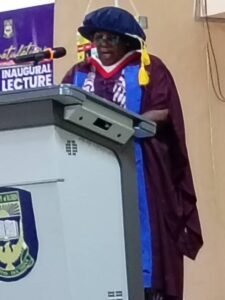
The most urgent theme of the reunion was the address by UNILAG’s Vice-Chancellor, Professor Folasade Ogunsola. She framed the alumni’s role not just in terms of financial support but as a vital counterforce to the debilitating brain drain, or ‘japa syndrome,’ crippling the health sector. “Healthcare and health education are in crisis, not because we lack competent people, but because once they are trained, many leave almost immediately,” she revealed, citing alarmingly low applicant numbers for recent residency positions.
Professor Ogunsola’s appeal marked a strategic pivot: “This is where we need you beyond infrastructure. We need your time, mentorship, expertise and advocacy.” This call to action reframes alumni contribution. It asks successful graduates to become active mentors, providing current students with visible career pathways and professional guidance within Nigeria. Such mentorship can combat the isolation young doctors feel and demonstrate that a thriving career is possible at home, thereby addressing a key driver of emigration.
A Blueprint for Sustainable Partnership
The 1985 set’s reunion culminated in a renewed, multi-faceted commitment. Their pledge extends to ongoing infrastructure development, structured mentorship programs, and capacity-building initiatives. This holistic approach serves as a potential blueprint for other alumni associations. It combines the immediate relief of physical projects with the long-term, human capital investment required to sustain the medical profession in Nigeria. By re-engaging with the institution that shaped them, these alumni are not merely donating; they are actively participating in the ecosystem, helping to ensure that UNILAG continues to produce world-class doctors who can thrive both locally and globally.
The event, therefore, stands as more than an anniversary. It is a case study in how dedicated alumni cohorts can leverage their success to create a virtuous cycle of giving, guiding, and strengthening their alma mater for future generations.
===========
Edited by Christiana Fadare
About Author