In a significant move shaping Nigeria’s international representation and domestic energy governance, the Senate on Tuesday, December 16, 2025, confirmed a slate of presidential nominees. The confirmations underscore the dual-track approach of President Bola Tinubu’s administration in fortifying both foreign policy and critical infrastructure sectors.
Diplomatic Appointments: Non-Career Ambassadors Take the Stage
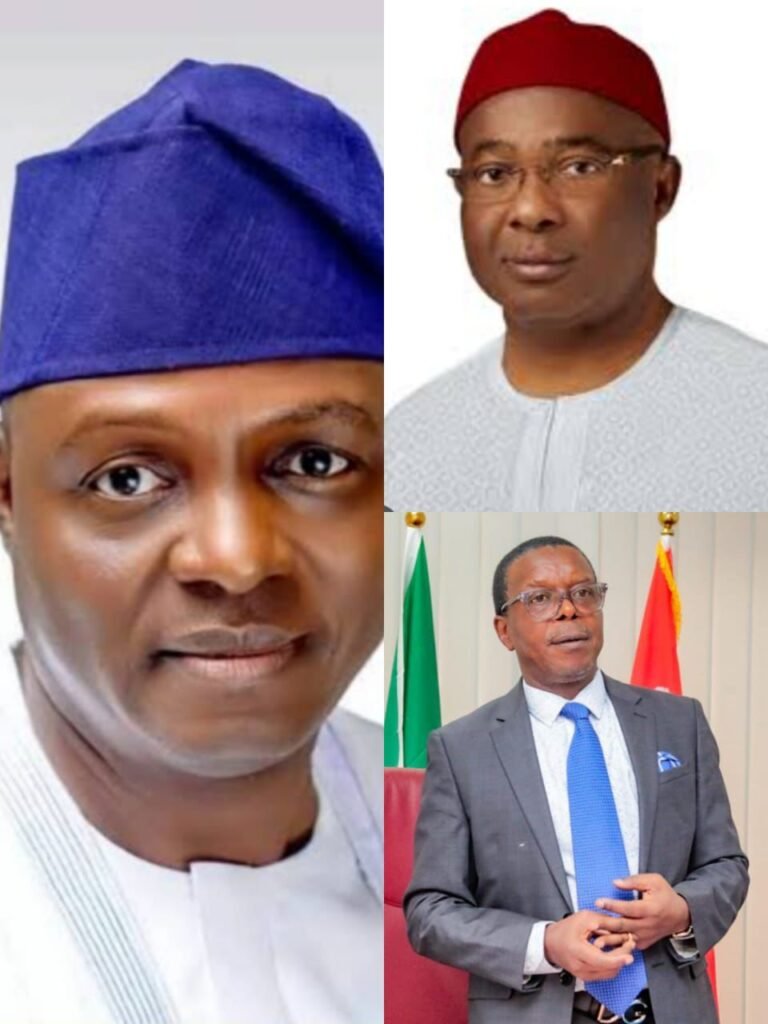
The upper legislative chamber confirmed three individuals as non-career ambassadors-designate: Kayode Are (Ogun), Aminu Dalhatu (Jigawa), and Emmanuel Oke (Oyo). Their confirmation followed the consideration of a report from the Senate Committee on Foreign Affairs, chaired by Sen. Sani Bello. During the screening process, the committee found that the nominees “displayed wide and in-depth knowledge of international diplomacy,” a crucial assessment for roles that will serve as Nigeria’s primary representatives abroad.
Non-career ambassadors, distinct from career diplomats who rise through the foreign service ranks, are often political appointees selected for their expertise, influence, or to reward political service. Their appointment can signal strategic intent for specific bilateral relationships. The Senate President, Godswill Akpabio, congratulated President Tinubu “for putting square pegs in square holes,” a phrase suggesting the nominees’ perceived suitability for the demanding roles. Akpabio further charged the new envoys to “bring greater relationships between Nigeria and any country they would be posted to,” highlighting the expectation of tangible diplomatic and economic dividends.
Context and Unfinished Business
This confirmation represents only a partial fulfillment of the President’s ambassadorial nominations. According to the report, President Tinubu initially forwarded the names of these three non-career nominees on November 26, 2025. Notably, a separate list of 65 other ambassadorial nominees—presumably career diplomats—has been screened by the Senate but remains unconfirmed. This staggered confirmation process is not uncommon and can reflect further deliberations, geopolitical considerations, or negotiations regarding specific postings. The delay underscores the complexity and high stakes involved in populating Nigeria’s global diplomatic missions.
Parallel Confirmations: Bolstering Energy Sector Regulation
In a simultaneous action addressing domestic policy, the Senate also confirmed two new Commissioners for the National Electricity Regulatory Commission (NERC): Aisha Kanti Bello and Dr. Animashaun Olayinka. NERC is the independent regulatory body for Nigeria’s electricity supply industry, tasked with critical functions like tariff approval, licensing, and enforcing market rules. The confirmation of these commissioners is pivotal for providing leadership stability and technical oversight in a sector undergoing continuous reform and grappling with challenges in generation, transmission, and distribution. Their expertise will be vital in navigating the transition towards a more stable and privatized electricity market.
Analysis: A Dual-Pronged Governance Strategy
The day’s confirmations reveal a governance focus on two fronts. Internationally, the appointment of non-career ambassadors allows the President to inject trusted associates or specialists into key diplomatic posts, potentially enabling more direct execution of foreign policy objectives. Domestically, strengthening the board of a crucial regulator like NERC signals an intent to improve the oversight and technical management of the beleaguered power sector. Together, these actions by the Senate demonstrate the legislative branch’s role in vetting and enabling the executive’s chosen personnel to lead critical areas of national interest. The effectiveness of these appointees, however, will ultimately be judged by their performance in enhancing Nigeria’s global partnerships and stabilizing its essential energy infrastructure.
Reported by Naomi Sharang for the News Agency of Nigeria (NAN). Edited by Hadiza Mohammed-Aliyu.
About Author