The WE AID Initiative, on Wednesday, launched an app, Citizen 360, to boost voter awareness and voter mobilisation ahead of the 2027 general elections.
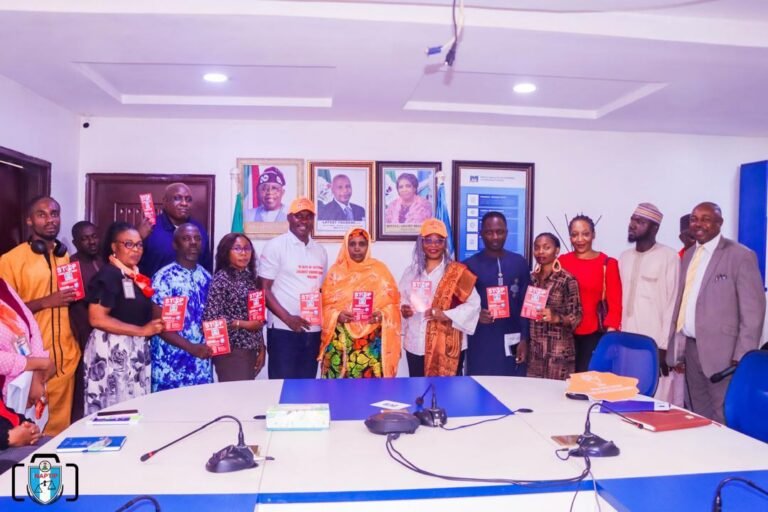
The Executive Director of the Initiative, Gambo Yakubu Wakili Esq., announced the launch in Bauchi at the Citizen Media and Digital Influencers’ Tea Evening on Voter Education and Mobilisation, held at the Sir Abubakar Tafawa Balewa Memorial Tomb.
Gambo Wakili described the event as a triple event, in the sense that it was a voter awareness and voter mobilisation event, it marked the launch of the Citizen 360 app, and it also celebrated the historic tomb.
She said participants at the event would undertake a guided tour of the facility to celebrate the memories preserved there.
“Sir Abubakar Tafawa Balewa is a significant figure, we all know. He has served as a pillar in the history of our democracy,” Gambo Wakili said.
She added, “And it is time that, as we project the 2027 elections, it is important that we base it in the history of Bauchi.”
“And we cannot talk about the history of Bauchi or the history of Nigeria’s democracy without mentioning the name of Sir Abubakar Tafawa Balewa,” She stressed.
The event also featured cultural displays, spoken word performances and interactions among seasoned media practitioners.
Also speaking, the immediate past Managing Director of the Bauchi Television Authority (BATV), Fibi Kafi, charged the media to help citizens understand the truth, scrutinise power and participate meaningfully in the democratic process.
Represented by Elizabeth Kah, Fibi Kafi gave the charge in a goodwill message delivered on her behalf by Elizabeth Kah, saying the media exists to bridge the gap between the authorities, political parties and the people, most of whom cannot come close to INEC or to any political party to know what is happening.
“The media is there to take the message and to mobilise people to participate. It helps citizens to understand the truth, scrutinise power, and participate meaningfully,” she said.
Fibi Kafi also said Journalists should go beyond routine reporting of events such as campaign launches, and explain what such events mean for the ordinary citizen.
“So you don’t just report that, ‘today, so-and-so carried out a campaign launch.’ What does that mean? The voter may not understand what that means for him,” she said.
She noted that citizens need reliable information to make informed choices and to hold leaders accountable, adding that it is only the media that gives them that opportunity and platform.
On elections, Fibi Kafi said political competition heightens anxiety, while misinformation, hostility and the risk of violence also increase.
She cited recent political violence in other states, including an incident in Delta State two days before the event, and asked how the media should report such incidents ethically without promoting violence.
Fibi Kafi stressed that the media is also an instrument for peacebuilding, noting that responsible reporting can reduce tension, encourage dialogue and protect democratic participation.
She also spoke on the cultural context of reporting in a diverse society, where political participation takes place across different ethnic, religious, cultural and economic communities.
According to her, campaigns often produce strong emotions, and the media must be careful not to bring a different narrative to its work.
She concluded that journalists, editors, media owners and digital influencers all share responsibility for shaping the information environment.
About the Author