By Samuel Torlumun
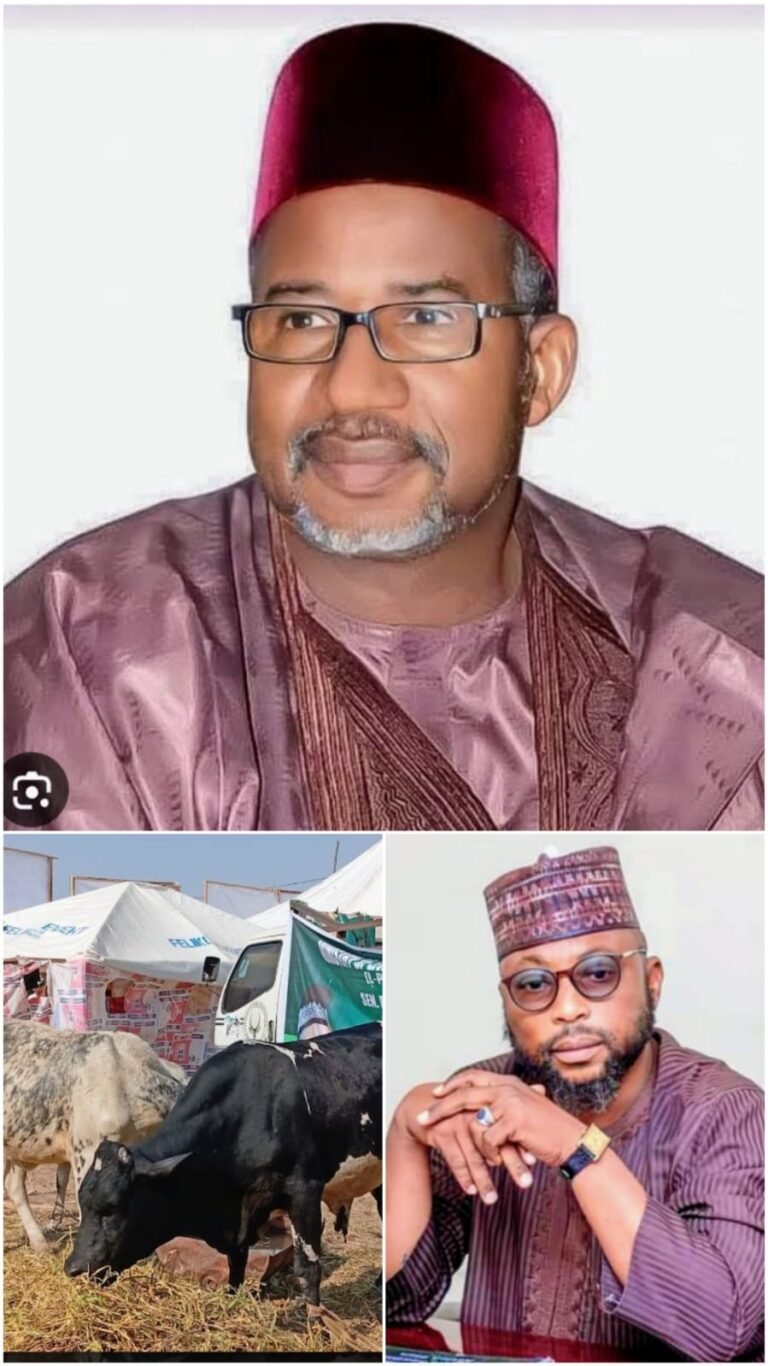
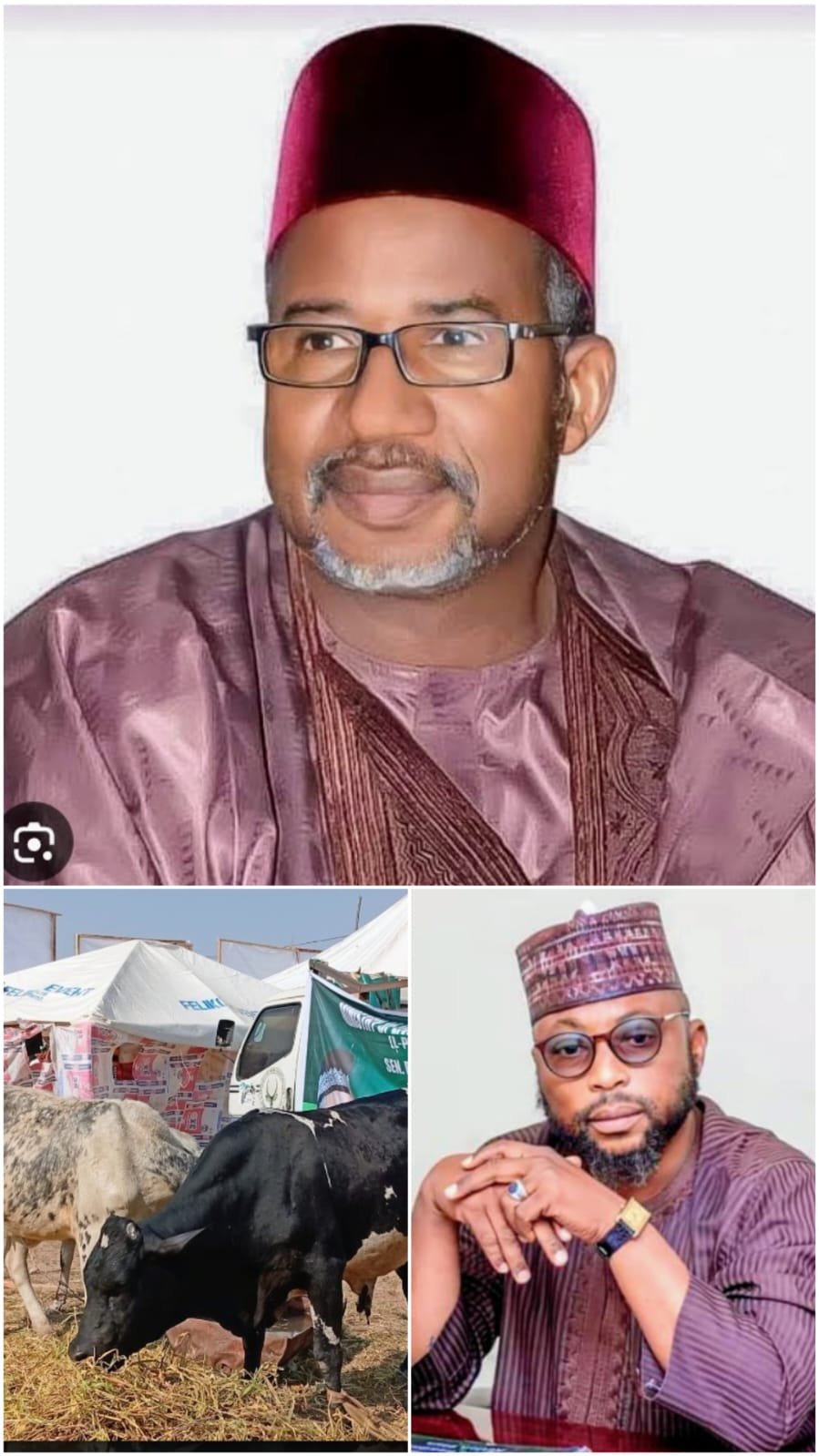
With construction of the proposed Livestock Service Centre at Galambi Ranch already 50 per cent completion, Bauchi State is positioning itself for a major transformation of livestock production, animal health services, commercial farming and investment opportunities that could benefit thousands of farmers and livestock operators across Northern Nigeria.
For generations, livestock production has remained one of the most important economic activities in Northern Nigeria, providing livelihoods for millions of households, supporting food security and sustaining a vast network of businesses involved in animal production, transportation, processing and marketing.
Yet, despite the region’s enormous livestock potential, the sector has continued to contend with inadequate infrastructure, poor animal health services, limited access to modern production technologies, weak market linkages, inadequate processing facilities and low levels of investment.
These challenges have significantly restricted the capacity of livestock farmers to maximise the economic benefits of their activities.
However, a major intervention by the Bauchi State Government, under the administration of Governor Bala Abdulkadir Mohammed, is expected to change this narrative through the establishment of a modern Livestock Service Centre at Galambi Ranch in Bauchi State.
The ambitious project, being implemented in collaboration with the World Bank-supported Livestock Productivity and Resilience Support Project (L-PRES), represents a strategic investment in modernising livestock production, strengthening the livestock value chain and repositioning Bauchi as an important centre for livestock development in Northern Nigeria.
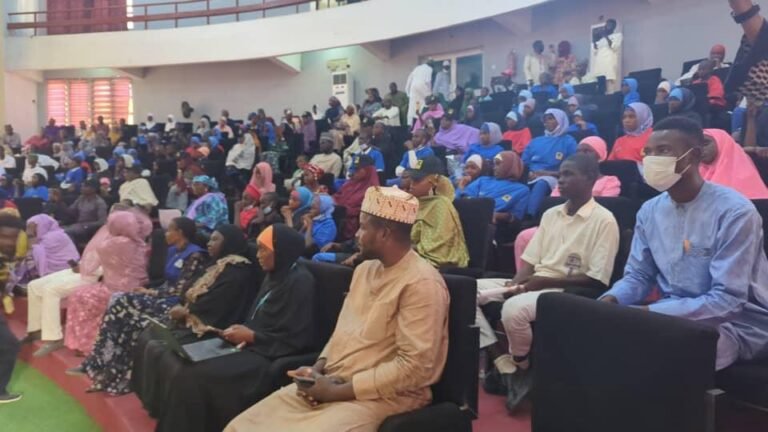
Speaking with journalists on the sidelines of the closing ceremony of the 2026 National Agricultural Show, the Permanent Secretary Overseeing the Bauchi State Ministry of Livestock Development, Alhaji Lawal A. Mohammed, disclosed that construction of the Livestock Service Centre had reached approximately 50 per cent completion.
He described the project as a significant component of the Bala Mohammed administration’s commitment to transforming the livestock sector through modern infrastructure, improved service delivery and sustainable agricultural development.
According to him, the Bauchi State Government is implementing the project in collaboration with L-PRES, a World Bank-supported intervention designed to improve livestock productivity, strengthen resilience and promote commercialisation across selected livestock value chains in Nigeria.
He explained that the establishment of the centre at Galambi Ranch was informed by the need to provide livestock farmers and other industry operators with modern facilities and essential services capable of addressing some of the longstanding challenges confronting the sector.
The Permanent Secretary noted that the project was strategically important to the state’s livestock development agenda, particularly in improving food security, creating employment, enhancing livelihoods and stimulating economic growth.
He expressed optimism that when completed, the centre would provide a more organised and efficient environment for livestock production and management, while opening new opportunities for farmers, pastoralists, livestock traders, processors and private investors.
A ONE-STOP CENTRE FOR LIVESTOCK DEVELOPMENT
One of the most significant features of the Galambi Livestock Service Centre is its potential to serve as a comprehensive hub where different aspects of livestock production and commercial activities can be coordinated.
Unlike conventional livestock facilities that concentrate mainly on animal keeping or trading, the proposed service centre is designed to provide an integrated platform for livestock production, animal health, husbandry services, value addition and marketing.
The national L-PRES programme identifies multipurpose Livestock Service Centres as important instruments for strengthening institutional capacity and improving service delivery to livestock producers and other actors along the value chain.
Its broader framework provides for livestock husbandry and health facilities, basic infrastructure, value-addition facilities and marketing infrastructure, alongside opportunities for private-sector participation.
For Bauchi farmers, this could mean easier access to essential services that have traditionally been difficult, expensive or unavailable in many livestock-producing communities.
Farmers would have improved opportunities to access professional veterinary services, animal health interventions, better production practices and technical support aimed at improving the quality and productivity of their livestock.
The centre is also expected to encourage more organised livestock management, reducing dependence on traditional practices that sometimes limit productivity and expose animals to preventable diseases.
For cattle owners, dairy farmers, sheep and goat breeders, these services could translate into healthier animals, improved production rates, reduced losses and better financial returns.
BOOSTING MEAT AND MILK PRODUCTION
One of the greatest opportunities presented by the project is its potential contribution to increased meat and milk production.
Nigeria has enormous demand for animal protein, but domestic livestock production continues to face productivity challenges, including inadequate access to improved animal breeds, poor nutrition, disease outbreaks and limited modern processing facilities.
The Galambi centre is expected to contribute to addressing some of these challenges by promoting improved livestock production and management practices.
For dairy farmers, better access to animal health services, improved husbandry practices and modern production techniques could help increase milk yields and improve the quality of dairy products.
Similarly, cattle farmers engaged in beef production stand to benefit from improved animal management, better feeding practices and opportunities for more efficient marketing.
Sheep and goat farmers, who constitute an important part of the livestock economy in Bauchi and other Northern states, could also benefit from improved breeding, health management and commercial production opportunities.
The importance of these interventions extends beyond individual farmers.
Improved meat and milk production would strengthen the availability of animal protein, contribute to household nutrition and support the state’s broader food security objectives.
It could also encourage the development of small and medium-scale businesses involved in milk collection, dairy processing, meat processing, animal feed production, transportation and livestock marketing.
NEW OPPORTUNITIES FOR FARMERS AND LIVESTOCK INVESTORS
Beyond improving production, the Galambi Livestock Service Centre is expected to create a more attractive investment environment for businesses operating within the livestock industry.
For many years, livestock entrepreneurs have faced difficulties accessing the infrastructure and services required to expand their businesses.
The absence of organised facilities for production, processing, storage and marketing has often increased operational costs and limited the profitability of livestock enterprises.
The proposed centre is expected to help bridge these gaps by providing infrastructure that supports different stages of the livestock value chain.
This could attract private investors interested in establishing businesses around animal production, breeding, feed manufacturing, veterinary pharmaceuticals, dairy processing, meat processing and livestock marketing.
For young entrepreneurs, the development could open opportunities to establish businesses in animal husbandry, animal feed production, livestock transportation, processing and other supporting services.
Women, who play significant roles in livestock-related activities, particularly dairy production, poultry farming and small-ruminant enterprises, could also benefit from the opportunities created by an expanded commercial livestock economy.
The project therefore has the potential to move livestock production beyond subsistence activities into a more organised, commercially driven and profitable enterprise.
A STRATEGIC INVESTMENT FOR NORTHERN NIGERIA
The significance of the Galambi project goes beyond Bauchi State.
Bauchi occupies an important position in the livestock economy of Northern Nigeria, with its geographical location providing opportunities for trade and commercial interaction with neighbouring livestock-producing states.
The completion of a modern livestock service facility could strengthen Bauchi’s capacity to serve farmers, pastoralists, traders and investors from other parts of the region.
Livestock operators from neighbouring states could benefit from access to improved services, modern production facilities and commercial opportunities.
The centre could also stimulate livestock-related transportation and trading activities, encouraging stronger market connections between producers and consumers.
This regional dimension is particularly important because livestock production and marketing are not restricted by state boundaries.
Farmers, pastoralists, traders and processors operate across different states, making the availability of modern infrastructure and reliable services essential to the development of the wider regional livestock economy.
Consequently, the Galambi facility could emerge as an important destination for livestock-related businesses and investments, provided the necessary services, management structures and commercial arrangements are sustained after completion.
ADDRESSING ANIMAL DISEASES AND PRODUCTION LOSSES
Another critical benefit of the project is its potential contribution to improving animal health and reducing livestock mortality.
Disease outbreaks remain among the major threats to livestock production in Nigeria, often resulting in significant financial losses for farmers.
When animals become infected, farmers may lose valuable livestock, experience reduced productivity and incur additional expenses on treatment and disease control.
The availability of organised animal health services within the proposed centre could strengthen disease prevention, early detection, veterinary interventions and better livestock health management.
Such services would be particularly beneficial to smallholder farmers and pastoralists who sometimes have limited access to qualified veterinary professionals and modern animal health facilities.
Improved animal health systems could also contribute to food safety by encouraging better standards in livestock production and the handling of animal products.
Furthermore, strengthening disease surveillance and prevention would support broader public health objectives under the One Health approach, which recognises the relationship between human, animal and environmental health.
CLIMATE RESILIENCE AND SUSTAINABLE LIVESTOCK PRODUCTION
The project is also significant against the background of increasing climate-related challenges confronting livestock farmers across Northern Nigeria.
Changing weather patterns, prolonged dry seasons, declining pasture availability, water shortages and extreme temperatures have continued to affect animal productivity and the livelihoods of pastoral communities.
The World Bank-supported L-PRES programme recognises climate resilience as a major component of livestock transformation in Nigeria.
Its interventions are designed to promote improved production systems, strengthen resilience to climate-related risks and encourage more sustainable livestock management practices.
For Bauchi farmers, the service centre could provide an institutional platform for accessing improved knowledge, technologies and production practices that help reduce vulnerability to environmental challenges.
Better livestock management, improved animal health, appropriate feeding practices and more efficient use of available resources could help farmers sustain production even under difficult climatic conditions.
This is particularly important for pastoralists and livestock-dependent households whose livelihoods are directly connected to the availability of pasture, water and healthy animals.
EMPLOYMENT GENERATION AND RURAL ECONOMIC DEVELOPMENT
Beyond its immediate agricultural benefits, the Galambi Livestock Service Centre could become an important driver of employment and economic development.
The livestock industry supports a wide range of occupations, including animal breeding, veterinary services, animal feed production, transportation, processing, trading and retail distribution.
The establishment of a modern service centre could stimulate demand for skilled and unskilled workers across these areas.
Veterinary doctors, animal scientists, livestock technicians, agricultural extension workers, animal breeders and administrative personnel could find employment opportunities within the emerging livestock ecosystem.
Similarly, young people could establish businesses providing animal feed, livestock transportation, equipment maintenance, processing and other essential services.
The multiplier effect could extend to surrounding communities through increased commercial activities, demand for accommodation, transportation services and other businesses.
For the Bala Mohammed administration, therefore, the project represents not merely an agricultural infrastructure initiative but an investment capable of stimulating economic activities and improving livelihoods.
THE WORLD BANK CONNECTION: A NATIONAL LIVESTOCK TRANSFORMATION AGENDA
The Bauchi project forms part of the broader Livestock Productivity and Resilience Support Project, a six-year intervention supported by the World Bank and implemented in Nigeria to address longstanding structural weaknesses in the livestock industry.
The programme seeks to improve productivity, resilience and commercialisation across selected livestock value chains while strengthening the institutional capacity of government agencies responsible for livestock development.
Its priority value chains include cattle production, covering dairy and beef, sheep, goats and poultry, with other value chains also incorporated into its broader implementation framework.
An important component of the programme is the development of multipurpose Livestock Service Centres to provide producers and other value-chain operators with access to essential infrastructure, services, knowledge and investment opportunities.
The national programme has identified Bauchi and Kano states for the establishment of major Livestock Service Centres.
This places Bauchi in a strategic position within the national livestock transformation agenda.
The World Bank’s project framework also envisages private-sector participation, recognising that government investment alone cannot sustainably address the infrastructure and financing requirements of a modern livestock economy.
Consequently, the success of the Galambi project will depend not only on the completion of its physical infrastructure but also on effective management, accessibility, private investment and the provision of quality services to livestock operators.
BAUCHI’S COMMITMENT TO LIVESTOCK DEVELOPMENT
The establishment of the Livestock Service Centre reflects the Bauchi State Government’s determination to give livestock development greater attention as an important pillar of economic diversification.
Under Governor Bala Mohammed, the state established a dedicated Ministry of Livestock Development to provide focused attention to the sector and strengthen the government’s capacity to address the needs of livestock farmers and other stakeholders.
The initiative is particularly significant because livestock development requires specialised policies, technical expertise, infrastructure and sustained institutional commitment.
By providing a dedicated ministry and pursuing strategic partnerships such as L-PRES, the administration is seeking to create an enabling environment for livestock farmers to expand production and improve their livelihoods.
The ongoing construction of the Galambi facility is therefore an important step towards translating the government’s livestock development vision into tangible infrastructure and services.
With construction already 50 per cent complete, as disclosed by the Permanent Secretary, the project has reached a significant implementation milestone.
Its eventual completion and effective operation could mark an important turning point in the state’s livestock development journey.
THE ROAD AHEAD
While the construction of the Galambi Livestock Service Centre represents a major step forward, its long-term success will ultimately be measured by the benefits it delivers to farmers and other stakeholders.
Ensuring that the facility becomes fully functional, affordable and accessible to smallholder farmers will be essential.
Equally important will be the engagement of qualified professionals, provision of modern equipment, effective maintenance, transparent management and sustained collaboration with private investors.
Farmers must also be adequately sensitised to the services available at the centre to ensure that its facilities are not restricted to large commercial operators but benefit ordinary livestock producers across Bauchi and neighbouring states.
There is also a need for sustained investment in complementary infrastructure, including access roads, water supply, electricity, animal feed production and market linkages.
If these requirements are properly addressed, the Galambi Livestock Service Centre could become a model for integrated livestock development in Northern Nigeria.
Ultimately, the vision behind the project is bigger than the construction of another government facility. It is about creating a modern livestock economy in which farmers produce more, animals receive better care, businesses become more profitable, young people find employment and consumers enjoy improved access to affordable animal protein.
For Bauchi State, the project offers an opportunity to strengthen its position in Nigeria’s livestock industry while translating the enormous agricultural potential of its people into sustainable economic prosperity.
And with construction already at the halfway mark, the emerging facility at Galambi Ranch is steadily bringing that ambition closer to reality.
About the Author