The Chief of Field Officer, UNICEF Bauchi Field Office, Dr. Nuzhat Rafique, has urged Local Government Councils Chairpersons as well as the State Government to prioritise child nutrition in their planning, budgeting and resource allocation in order to address the rising prevalence of malnutrition across the State.
Nuzhat Rafique made the call on Tuesday, during an advocacy meeting/interaction with Local Government Chairpersons, organised to familiarise newly elected Council leaders with the nutritional challenges facing children in their respective areas and the subregion at large.
She explained that the meeting was necessary because of changes in local government leadership, which had brought many new Chairpersons into office.
According to her, the engagement was designed to help the Council leaders understand the scale of child malnutrition and recognise the importance of making it a priority in their development plans.
“Planning, budgeting and resource allocation are very important in addressing this challenge. Child malnutrition should be one of the top priorities on their agenda, particularly given the high prevalence of malnutrition among children in the North-East,” She said.
Nuzhat Rafique further expressed appreciation to the Bauchi State Government and Local Government Chairpersons for contributing to the Child Nutrition Fund (CNF) in 2025 explaining that the fund operates through a co-financing arrangement under which UNICEF matches government contributions to support the procurement of essential nutrition supplies for children.
She described the arrangement as a successful experience and expressed optimism that the state and local governments would make further contributions in 2026.
“We are looking forward to receiving contributions from both the state and local government levels in 2026. UNICEF will match the contributions through the Child Nutrition Fund to procure nutrition supplies for Bauchi, Gombe, Adamawa and other states across the North-East,” She stated.
On the scale of the problem, the UNICEF Chief said data shared with local government authorities indicated that children in Bauchi were experiencing severe multiple deprivation and noted that the state is classified as being in the red category, indicating that approximately 70 per cent or more of the children were affected by multiple deprivations.
Although Adamawa was described as being closer to the threshold, She expressed concern that the situation had deteriorated across the state since 2020–2021, with malnutrition prevalence showing an upward trend.
Nuzhat Rafique acknowledged that limited resources remained a major obstacle to addressing the problem but stressed that proven interventions and effective strategies were available to prevent malnutrition and improve the nutritional status of affected children.
The UNICEF Chief also said that discussions with the local government Chairpersons focused on identifying the underlying causes of malnutrition, the challenges confronting communities and the practical interventions needed to reverse the trend.
She urged government authorities at all levels to strengthen their commitment to child nutrition by ensuring adequate funding and the effective implementation of evidence-based interventions.
She added that sustained investment in nutrition was essential to protecting children’s health, improving their development and securing a healthier future for communities across the region.
Also speaking, representative of the Bauchi State Chapter of Association of Local Government of Nigeria (ALGON), Ali Babayo, disclosed that local government Chairpersons in the State are considering doubling their contributions to the Child Nutrition Fund in 2026 to strengthen efforts to combat malnutrition among children.
Ali Babayo, who is the Executive Chairperson of Gamawa LGC, the 2-day meeting has afforded them the opportunity to identify the shortages of healthcare personnel, poverty and inadequate access to potable water.
He said the local government Chairpersons had resolved to explore increasing their contributions to the Child Nutrition Fund, following their participation in the initiative in 2025.
“We are going to look into the possibility of doubling what we contributed last year so that we can take ownership of the project and ensure its sustainability and continuity,” he said.
Ali Babayo further explained that the decision reflected the Councils’ commitment to complementing UNICEF’s interventions and ensuring that vulnerable children received adequate nutritional support.
On malnutrition, Ali Babayo said the local government Chairpersons had agreed to work with UNICEF and other development partners while strengthening community-level nutrition education.
He explained that nutrition officers would be supported to educate women and men on appropriate feeding practices and the preparation of locally available, nutritious foods for children.
He noted that supplies of ready-to-use therapeutic food (RUTF) provided by UNICEF were insufficient to meet the needs of all affected children, given the scale of the challenge.
“We are going to explore locally produced nutritious foods that can complement the supplies we receive from UNICEF and help address the nutritional needs of children in our communities,” he said.
The ALGON leader stressed, however, the importance of ensuring that locally prepared complementary foods were nutritionally appropriate and that children requiring treatment for severe acute malnutrition continued to receive recommended therapeutic care.
In her remarks, the UNICEF Nutrition Specialist, Philomena Irene, said that the indices are very disturbing across the Field Office, stressing that the trend must be checked in order to ensure that the children received the required attention.
She expressed optimism that at the end of the meeting, the Councils will support what the State Government is doing by contributing to the CNF for the procurement of RUTF and SQLNS.
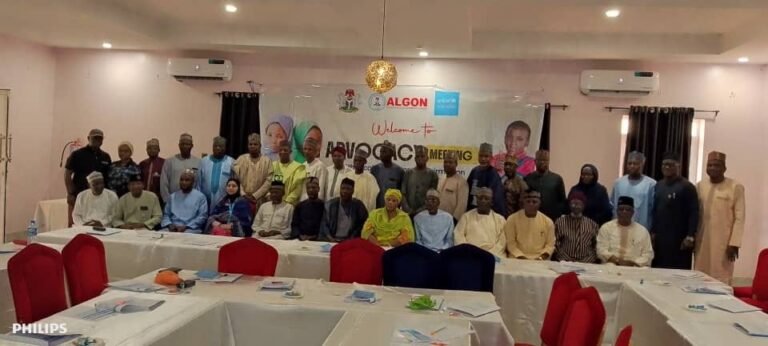
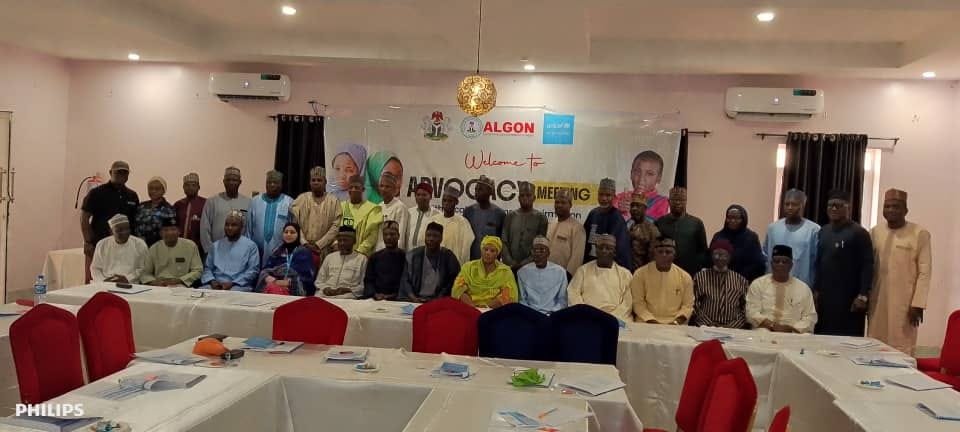
The advocacy meeting held in Jos was attended by the twenty LGCs Chairpersons alongside the Councils Nutrition Officers.
About the Author