Expert
By Fatimah Muhammed
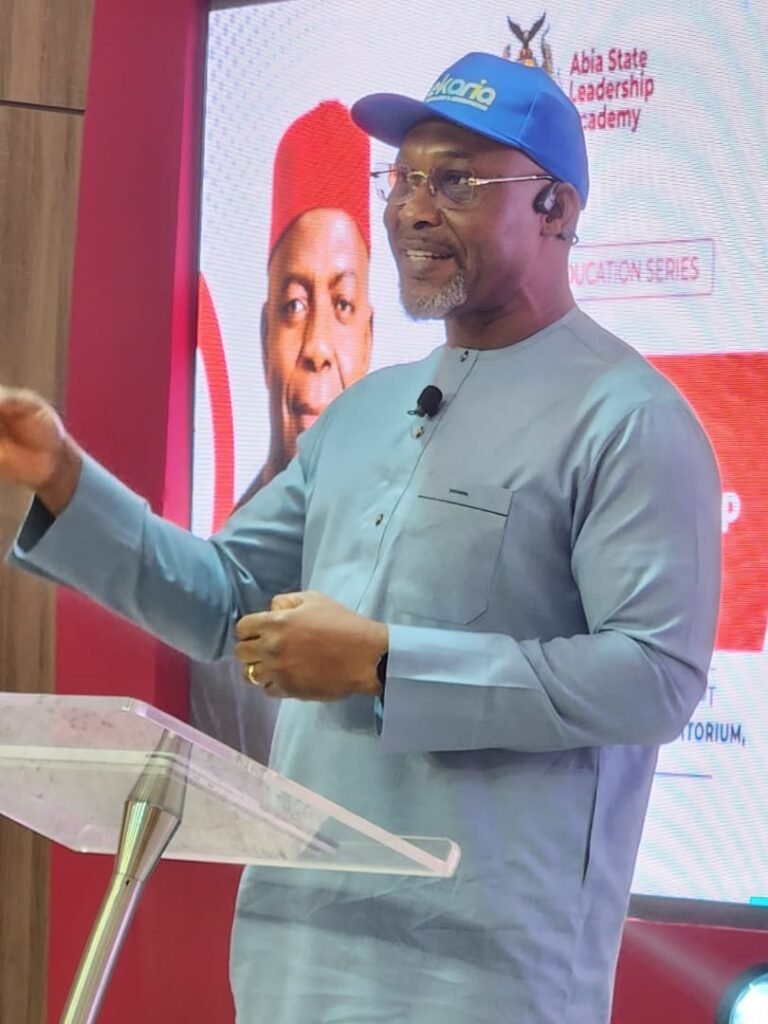
Abuja, Aug. 26, 2026 The Managing Director of Leke Services Ltd., Mr Laolu Adeola, has called for the establishment of a N100 billion fund to accelerate the growth of Nigeria’s electric vehicle (EV) sector.
Adeola made the call in an interview with the News Agency of Nigeria (NAN) on Wednesday in Abuja.
He said the high interest rates and absence of reliable fleet contracts are among the major challenges slowing the growth of the sector, urging the government to provide concessional financing.
He said EVs had entered the Nigerian market over the past 10 to 15 years as proof of concept, but entrepreneurs were being constrained by the high cost of capital.
“With this N100 billion fund, we put it to work in a way that these entrepreneurs who have proven that this business works, can tap into this capital pool to accelerate their growth.”
Adeola said commercial banks charge interest rates of up to 35 per cent because they lacked adequate understanding of the risk profile of EV businesses and consequently treated the sector as high risk.
He projected that the industry could grow by more than 80 per cent year-on-year over the next five years if its funding challenges were addressed.
On charging infrastructure, Adeola described its development as a “chicken and egg” situation, saying utilisation levels of between 30 and 50 per cent are required to make charging stations profitable.
“The first step is to put it in the ground and try it in different corridors to see what works, as it continues to grow, what we need is reliable offtake and reliable demand.”
He said fleet operators in public transportation, taxi and logistics services should drive demand for charging infrastructure because they would provide a reliable customer base for Charge Point Operators (CPOs).
“For a CPO, the fleets are their base load that covers their costs and so, any incidental retail charging is that cherry on top where it drives their profits,” he said.
Adeola urged the government to lead efforts to reduce the cost of capital for EV businesses to between 10 and 15 per cent.
“Once the government prioritises this sector, then they can bring in low-cost capital into lending operations.”
He also called for greater local content in the EV value chain, saying Nigeria should begin with assembling vehicles and producing components that can be manufactured locally, including upholstery, tricycle canopies, plastics and glass.
“Let us build them, If we build them, we know how to service them, If we know how to service them, then we know how to tweak them and make them better suited to our needs.”
The managing director further urged the government to provide “catalytic capital” or first-loss cover to de-risk investments in the sector, while Development Finance Institutions and commercial banks provided funding at higher tiers.
FM/IS
=====
Edited by Ismail Abdulaziz
(NAN)(NAN)
About the Author