The National Human Rights Commission (NHRC) has issued a stark warning that escalating hate speech, intimidation, incitement and divisive political rhetoric could plunge Nigeria into violence and chaos ahead of the 2027 general elections.
The Commission said on Thursday that inflammatory statements by political and public figures were increasingly threatening human dignity, peaceful coexistence and citizens’ right to participate freely in the democratic process.
Speaking at a press conference at the NHRC headquarters in Abuja, the Executive Secretary of the Commission, Chief Tony Ojukwu, said Nigeria must act decisively before dangerous rhetoric translates into violence.
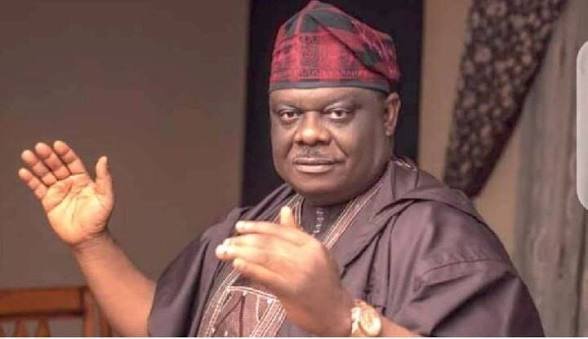
Ojukwu specifically cited statements attributed to Sheikh Sani Yahaya Jingir and Senator Francis Fadahunsi, saying the Commission considered some of the comments to have crossed “the red line for decency” and to have the potential to denigrate individuals or groups, deepen divisions and heighten tensions.
He stressed, however, that the intervention was not targeted at any political party, religious organisation, ethnic group or individual, but was a human-rights response designed to protect the dignity and equal worth of Nigerians.
“Freedom of expression is a fundamental human right. However, freedom of expression carries responsibilities,” Ojukwu said, warning that the right did not constitute a licence to incite violence, promote hatred, dehumanise others or deliberately provoke hostility against individuals or communities.
The NHRC boss warned that hate speech must not be dismissed as ordinary political rhetoric, arguing that language portraying people or communities as enemies, inferior, dangerous or undeserving of protection could fuel discrimination, exclusion, intimidation and violence.
According to him, the consequences could include attacks on political opponents and voters, restrictions on civic participation, displacement and insecurity, deepening ethnic and religious tensions, and a loss of public confidence in democratic institutions.
Ojukwu invoked the painful lessons of the 1994 genocide against the Tutsi in Rwanda, noting that sustained propaganda, denigration, dehumanisation and incitement could create an environment in which discrimination and violence become increasingly acceptable.
While stressing that Nigeria was not Rwanda, he said the lesson from history was universal and should compel authorities and citizens to confront dangerous narratives before they escalated.
“The situation, if unchecked, could escalate circumstances into uncontrolled violence and chaos. God forbid,” he said.
He maintained that prevention was a fundamental human-rights obligation and that government had the primary responsibility under national and international law to prevent violence and protect citizens.
The Commission therefore called for early identification of dangerous narratives, responsible public communication and lawful accountability for those who cross established legal boundaries.
With the 2027 elections approaching, the NHRC urged political actors to ensure that campaigns revolve around policies, programmes, competence and records of service rather than ethnic hostility, religious antagonism and personal attacks.
The Commission warned that unchecked divisive rhetoric could intimidate voters, suppress political participation and trigger violence before, during and after the elections.
It also cautioned that communities that feel targeted or threatened could become vulnerable to insecurity and displacement, while prolonged political hostility could leave lasting social fractures long after the elections have ended.
Ojukwu said the protection of human rights and prevention of election-related violence must consequently be treated as complementary objectives.
The NHRC called on political parties to rein in their members and strengthen internal mechanisms for preventing and sanctioning inflammatory and intimidating rhetoric.
Religious, traditional and community leaders were similarly urged to use their influence to promote tolerance, peace and mutual respect rather than hatred, violence and division.
The Commission also placed responsibility on the media, warning journalists and media organisations against becoming channels for amplifying inflammatory statements.
It urged the media to maintain professional and ethical standards and ensure that potentially harmful content was reported with context, verification and proper public-interest considerations.
Social media users and digital platforms, the Commission added, must also exercise greater responsibility, particularly in verifying information before sharing material capable of provoking hostility or violence.
Law enforcement agencies were urged to respond appropriately to credible cases involving incitement, threats, intimidation and other unlawful conduct, while ensuring that investigations and prosecutions comply with the Constitution, due process and fundamental rights.
The NHRC also appealed directly to young Nigerians, particularly those active on social media, not to allow themselves to become instruments for spreading misinformation and inflammatory content.
Ojukwu said every Nigerian had a role to play in preventing election-related violence, insisting that responsibility could not be left solely to government and security agencies.
“To our political leaders, we say: compete on ideas, programmes, competence and your record of service—not on hatred or division,” he said.
He urged religious and traditional leaders to build bridges, while asking the media to inform the public without becoming an amplifier of hatred or incitement.
The Commission said it would continue monitoring developments, documenting human-rights concerns and engaging stakeholders throughout the electoral cycle.
It also pledged to deploy its statutory powers to promote and protect human rights and advocate a human-rights-based electoral process centred on the dignity, safety, equality and participation of every Nigerian.
Ojukwu delivered a final warning that captured the Commission’s central message: “We must act before rhetoric becomes violence. We must promote dialogue before division becomes conflict. And we must protect human dignity before violations become irreversible.”
He called on Nigerians to preserve the country’s diversity as a source of strength rather than a trigger for conflict.
“Let us disagree without dehumanising one another. Let us compete without destroying one another. Let us campaign without inciting one another. And let us protect the Nigeria we all share,” he said.
About the Author