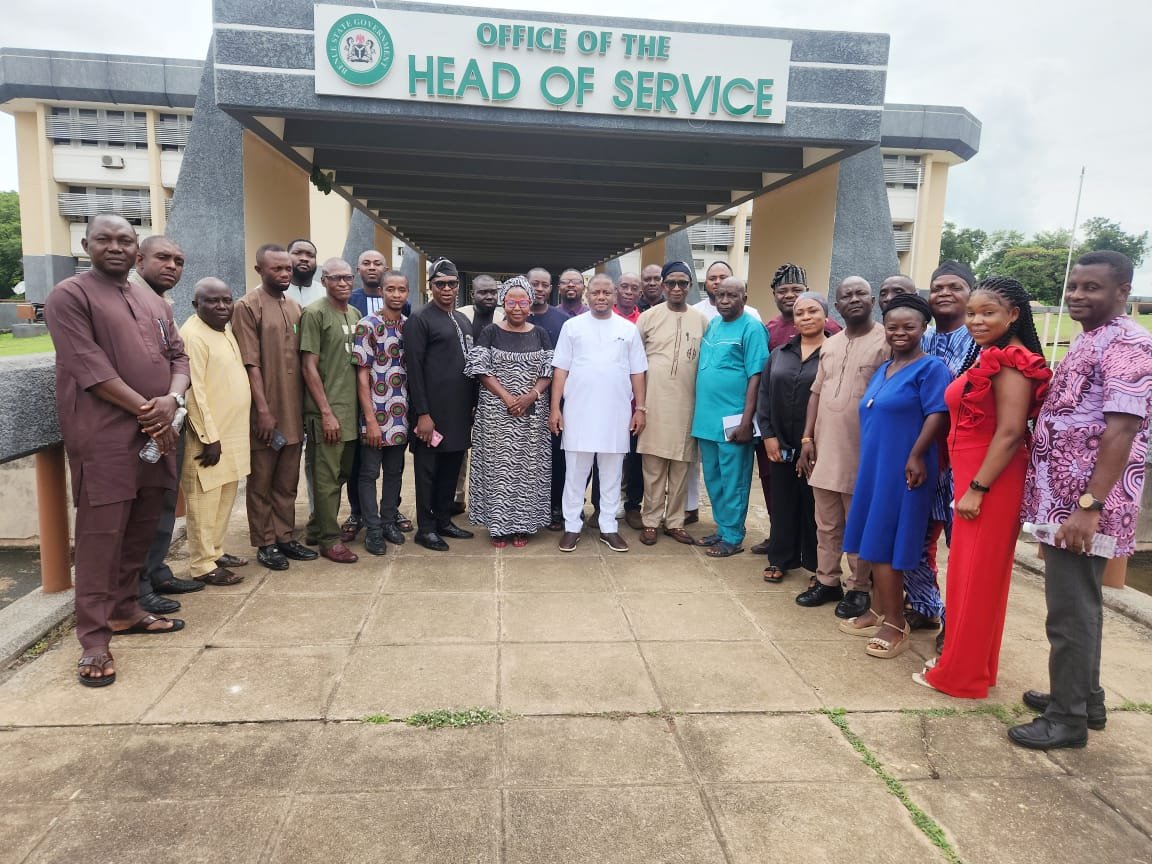
The Benue State Government has intensified efforts to reposition the fisheries sector as a major driver of economic growth, employment generation and wealth creation.
This is sequel to a renewed commitment by the administration of Rev. Fr. Dr. Hyacinth Iormem Alia to harnessing the state’s vast inland water resources under the Benue state’s Marine and Blue Economy framework.
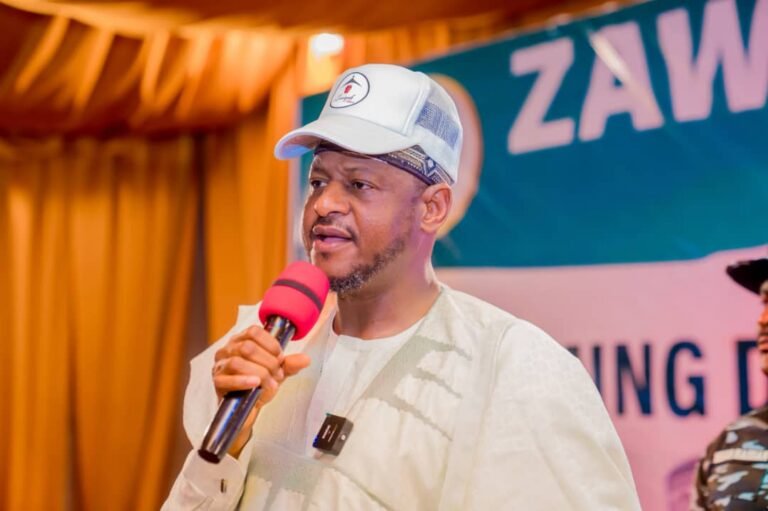
The Honourable Commissioner for Marine and Blue Economy, Hon. Denis Ter Iyaghigba, disclosed this while addressing Divisional Fisheries Officers and other staff of the department during the Ministry’s monthly intra-ministerial review meeting held under the theme, “Repositioning Fisheries for Sustainable Blue Economy Development in Benue State.”
The Commissioner said the administration of Governor Alia has demonstrated remarkable political will by establishing the ministry to unlock the enormous economic potential of the state’s waterways and wetland resources.
He emphasized that, the fisheries subsector remains a critical pillar in the government’s strategy to promote sustainable economic development, create jobs and improve the livelihoods of the people.
He noted that Nigeria currently consumes 3.2-3.6 million metric tonnes of fish annually, with a supply deficit exceeding 2.2-2.5 million metric tonnes, a gap he said presents enormous opportunities for Benue State to increase production, reduce import dependence and curb the huge capital flight associated with fish importation.
“Benue is strategically positioned to become one of Nigeria’s leading fish-producing states. With our abundant water resources and favourable environment, we have the capacity to produce at least two million metric tonnes of fish annually if we fully harness our potential,” Hon. Iyaghigba stated.
The Commissioner stressed that the present administration possesses the political will to significantly expand fish production and position Benue as the nation’s inland fisheries hub.
He charged Divisional Fisheries Officers to move beyond routine administrative responsibilities by deploying their professional expertise, innovation and versatility to revitalise the sector.
He equally urged them to strengthen extension services, promote sustainable fishing practices, support fish farmers, improve fisheries data collection and ensure strict compliance with existing regulations.
In order to effectively drive the process, the Commissioner hammers on stronger collaboration with fishing communities, development partners, research institutions and private investors to stimulate investments across the fisheries value chain.
The Head of Fisheries department, Mrs. Nguveren Yaaya had briefed on practical ideas capable of addressing operational challenges and improving service delivery across the state, expressing confidence that the deliberations would produce actionable resolutions and measurable performance targets.
About the Author