This was along side cases of acute watery diarrhea and sepsis.
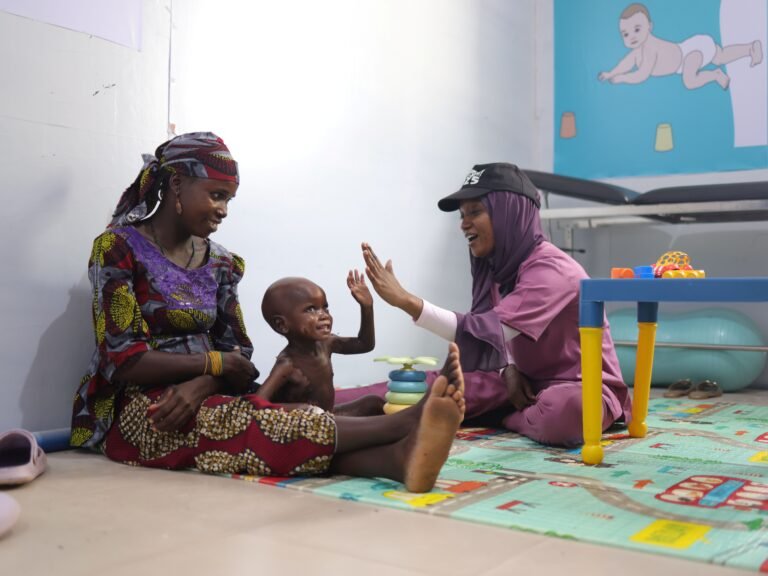
According to him, malnutrition weakens the immune system, leaving children vulnerable to malaria infection even as malaria worsens malnutrition by reducing appetite and food intake.
Dr. Nuraddeen spoke to journalists as Nigeria joins the rest of the world to mark the 2026 World Malaria Day.
He pointed out that treating malnutrition without malaria testing risks delayed recovery.
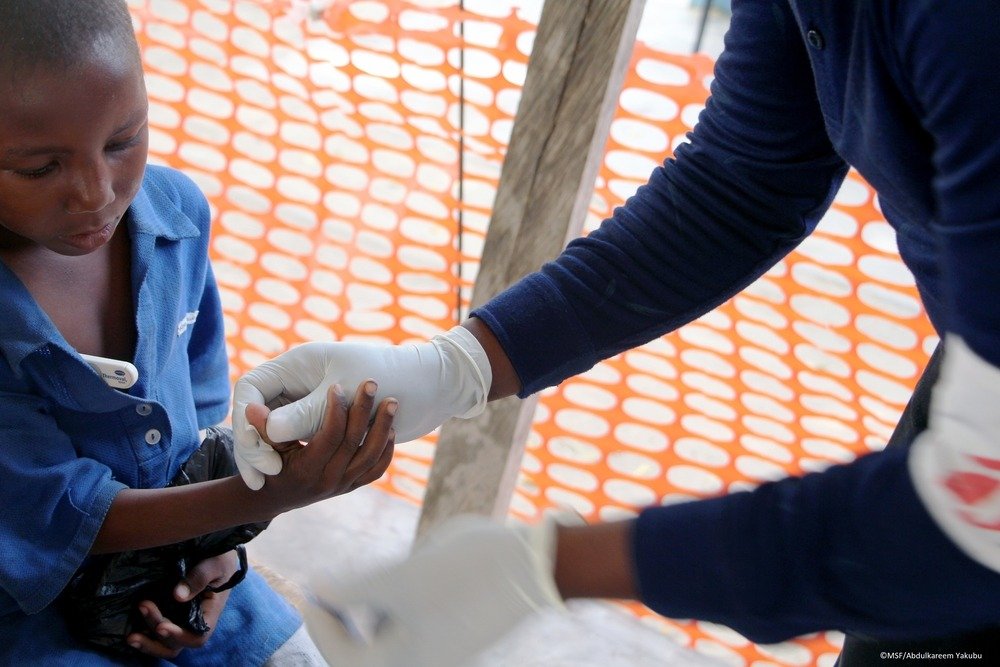
He said every child admitted for malnutrition in its centres is screened for malaria and treated if positive.
Figures from the World Health Organization (WHO) show Nigeria remains the largest contributor to the global malaria burden, accounting for nearly a quarter of cases worldwide and over 30 per cent of deaths.
About the Author