In a significant move to reshape Nigeria’s road safety culture, the Federal Road Safety Corps (FRSC) has launched the inaugural edition of the Safe Wheel Nigeria magazine. More than just a publication, this initiative represents a strategic pivot towards using information and sustained dialogue as primary tools for national behavioral change and economic development.
Connecting Road Safety to National Prosperity
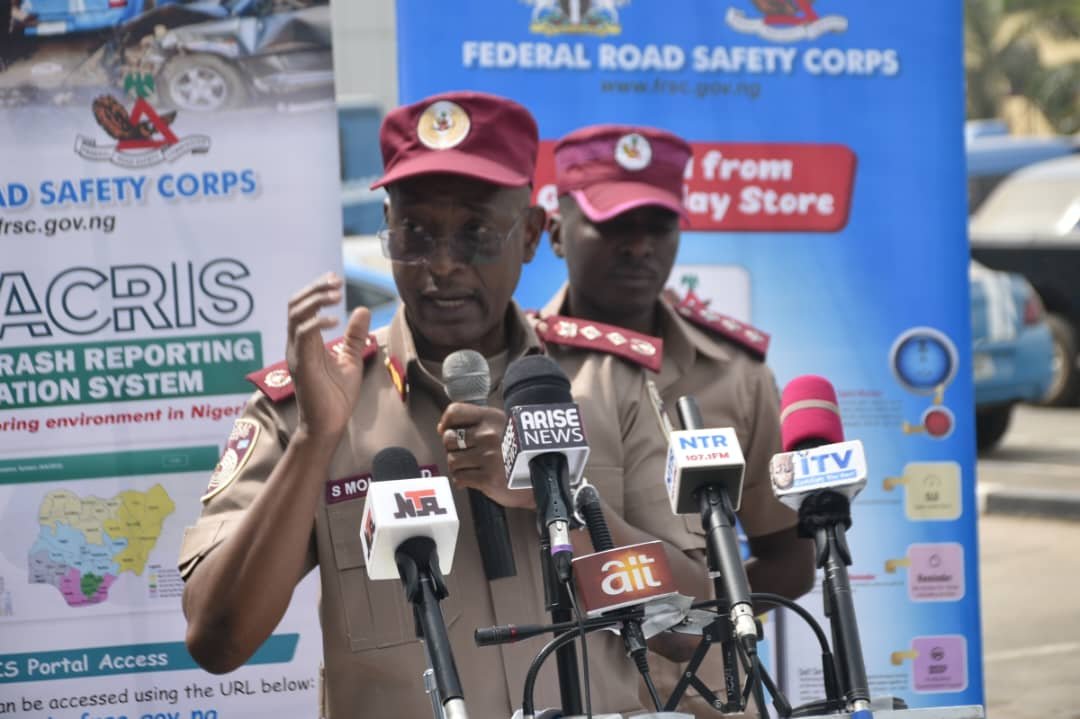
At the unveiling ceremony in Abuja, FRSC Corps Marshal, Malam Shehu Mohammed, anchored the magazine’s launch within a critical economic framework. He emphasized that global mobility accounts for nearly 80% of economic activity, making safe road networks a non-negotiable foundation for national progress. “The safety of every journey must reflect our collective aspiration for national development,” Mohammed stated, framing the magazine as part of the ‘Renewed Hope’ agenda. This perspective elevates road safety from a mere regulatory concern to a core infrastructural component for trade, logistics, and economic sustenance.
A Multi-Dimensional Tool for National Transformation
Assistant Corps Marshal Olusegun Ogungbemide, in his welcome address, detailed the magazine’s ambitious scope. It is conceived not as a passive periodical, but as an active platform for:
- Advocacy & Expert Analysis: Featuring insights from transport economists, safety engineers, and behavioral psychologists to dissect road safety challenges.
- Practical Guidance: Providing actionable advice for drivers, pedestrians, and transport operators beyond standard regulations.
- Broader Socio-Economic Issues: Addressing youth/women empowerment in the transport sector, the role of technology (e.g., vehicle tracking, AI in traffic management), and environmental sustainability linked to vehicle emissions.
“This publication is… a national platform for advocacy, collaboration, responsibility, and behavioural transformation,” Ogungbemide declared, signaling a shift towards engaging the public as partners in safety.
Operational Context: A Holistic FRSC Strategy
The magazine launch coincides with intensified FRSC operational campaigns for the festive season. Corps Marshal Mohammed highlighted concurrent initiatives like intelligence-driven patrols, enhanced logistics, and specialized staff training. This indicates that the magazine is one pillar of a broader strategy, complementing enforcement with education. Furthermore, the mention of medical support for drivers and sports achievements suggests a FRSC focus on driver welfare and community engagement, recognizing that a healthy, positively engaged professional driver is a safer driver.
Endorsements and Wider Implications
The event garnered support that underscores the magazine’s potential reach. Dr. Toe Ekechi, Chairman of Marketing+Media Ltd., saw it as a step toward highway improvement. Kimiebi Ebienfa of the Ministry of Foreign Affairs highlighted the international dimension, noting that a safe Nigerian road network is vital for intra-African trade and tourism under the AfCFTA. She positioned the magazine as a vehicle for Nigeria to export its road safety innovations, potentially shaping regional standards.
Dr. Nafisat Shehu-Mohammed of ROSOWA pointed to the potential for grassroots penetration, a crucial layer for awareness often missed by top-down campaigns. The endorsement from the Nigeria Police Force, represented by CSP Femi Adedeji, reaffirms the necessary inter-agency collaboration for effective road safety management.
The Critical Role of Information as Infrastructure
A recurring theme from all speakers was the transformative power of information. Corps Marshal Mohammed called it “an invaluable instrument for road user enlightenment.” Ebienfa described it as “the bridge between policy and practice.” This consensus reveals a key insight: laws and patrols alone cannot change deep-seated behaviors. Consistent, engaging, and credible information—delivered through a trusted channel like the FRSC—can nurture public accountability and build a culture where safety is a personal and communal value.
The launch of Safe Wheel Nigeria magazine marks a proactive attempt to create that channel. Its success will depend on consistent quality, widespread accessibility, and its ability to translate expert knowledge into practical steps for every Nigerian road user. If sustained, it could indeed become the beacon and catalyst for change its creators envision.
(NAN) (www.nannews.ng)
ICA/ YMU
Edited by Yakubu Uba
About the Author