Professor of Development Studies at the institute for Development studies (IDS) University of Nairobi, Kenya, Prof. Karuti Kanyinga, has informed that African democracy is being hollowed out from within because ruling parties and opposition parties have become almost indistinguishable,
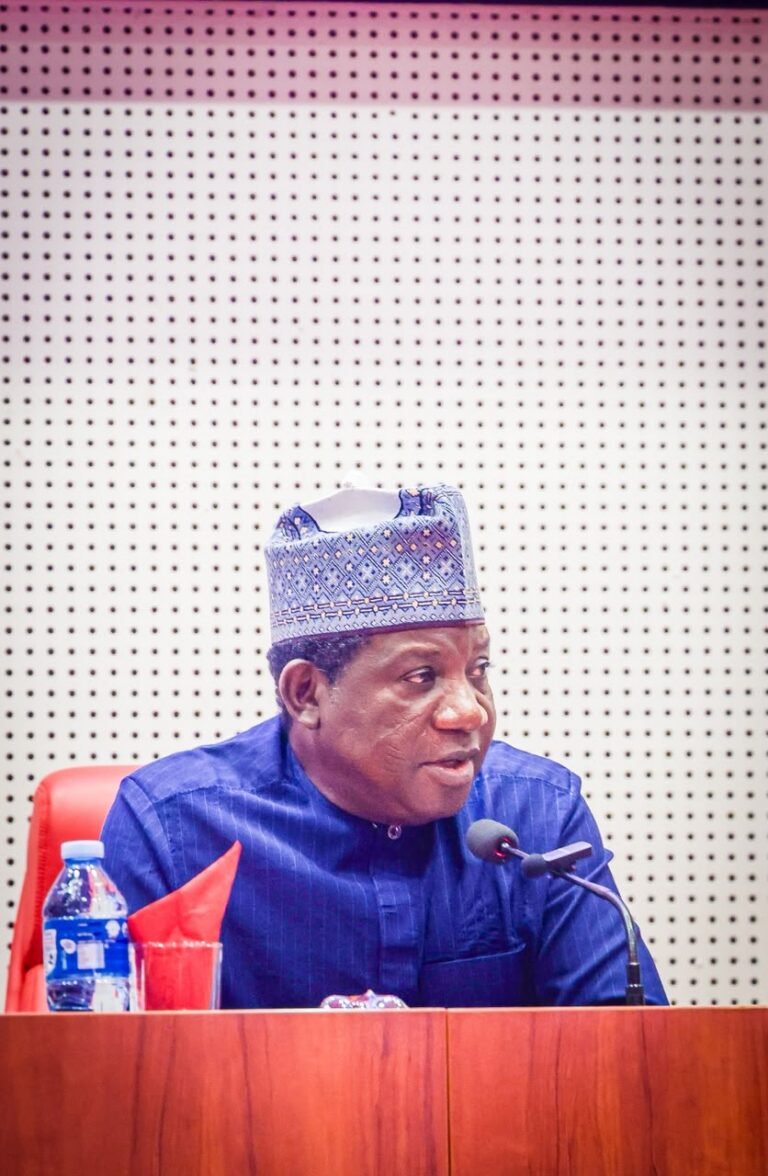
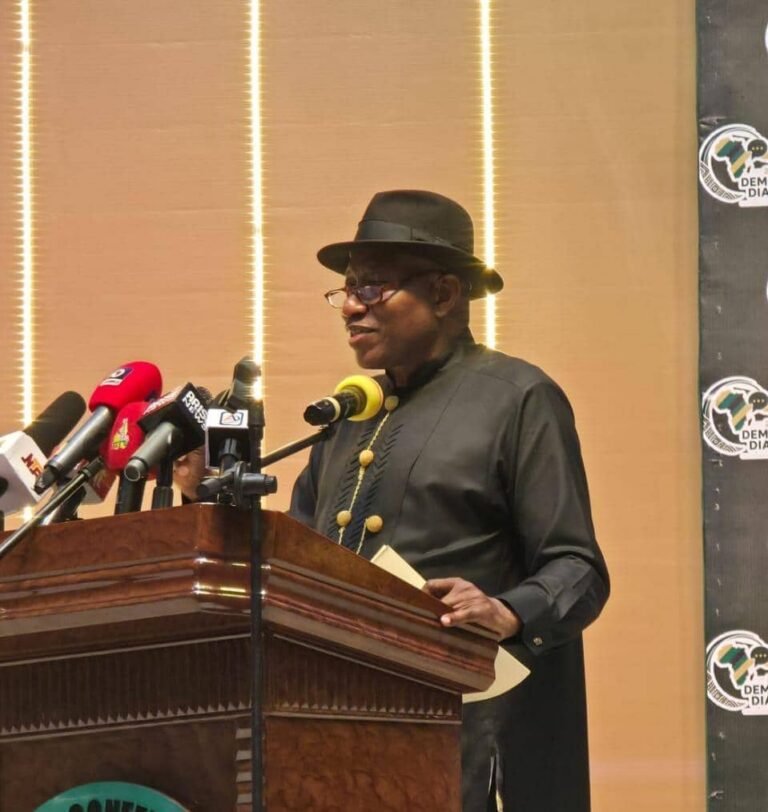
Prof. Karuti stated on Tuesday at the 2026 Goodluck Jonathan Foundation Democracy Dialogue in Bauchi, where he said the continent’s political crisis is driven less by ideology and more by money and weak capacity.
“I’m tempted to argue that even opposition political parties, when they get into office, lack the capacity to deliver. The difference between opposition parties and government is that they are all political parties. They are essentially the same.”
Under the theme “Beyond Elections: Can Political Parties and the Judiciary Save African Democracy?”, he said the blurring of lines is deliberate in some countries.
“In some countries, parties leading elections and those in opposition are the same. The first thing the opposition hears is a knock on the door from government asking, ‘Can we come in? Can we have an alliance?’ That minimizes the role of political parties.”
Prof. Karuti accused parties of double standards on democracy.
“They demand internal democracy from governments while failing to practice it themselves. They conduct their own party elections. They nominate candidates by themselves. They don’t give ordinary citizens a voice. You already know who will get the ticket in the next election, whether the people want them or not. That is the tragedy of our political parties.” He said.
He identified the rising cost of elections as the biggest barrier to credible competition, saying it has turned politics into a business for the wealthy and shut out women, youth and independent candidates.
Citing examples from Nigeria, Kenya and Ethiopia, he said: “In Nigeria, a seat in the House of Representatives requires not less than ₦500 million. In Kenya, it’s about $300,000. To contest for governor, you need close to ₦2 billion.”
That pressure forces aspirants to rely on private businesses, he added.
“The moment you use private businesses to support you, and the moment you win, they capture your policies,” he warned.
“The ideological differences that defined political parties in the past no longer exist. You can no longer tell what a particular party stands for.”
Judiciary “commodified”
Prof. Karuti also raised concern over the courts, saying judicial independence is under threat across the continent.
“The judiciary can intervene and adjudicate with ease. But the problem is that courts across the continent have become commodified,” he said.
He quoted a saying from his region: “Why hire a lawyer when you can buy a judge? Why waste your money?”
The result, he said, is a two-tier justice system.
“Access to justice is only possible for those with money and political power. That has ruined judicial independence in many parts of the country. The courts are no longer upholding the rule of law.”
He concluded that without reforms in party financing, internal party democracy and judicial independence, elections will keep producing governments that look different on paper but govern the same in practice.
Our Correspondent reports that, The GJF Democracy Dialogue brought together policymakers, civil society and academics to assess democratic governance in Africa beyond election cycles.
About the Author